
Hitachi Azuma Trains: Revolutionizing UK Rail
The Azuma train’s arrival marks a new era for UK rail. Experience the enhanced efficiency and passenger comfort of this bi-mode marvel!
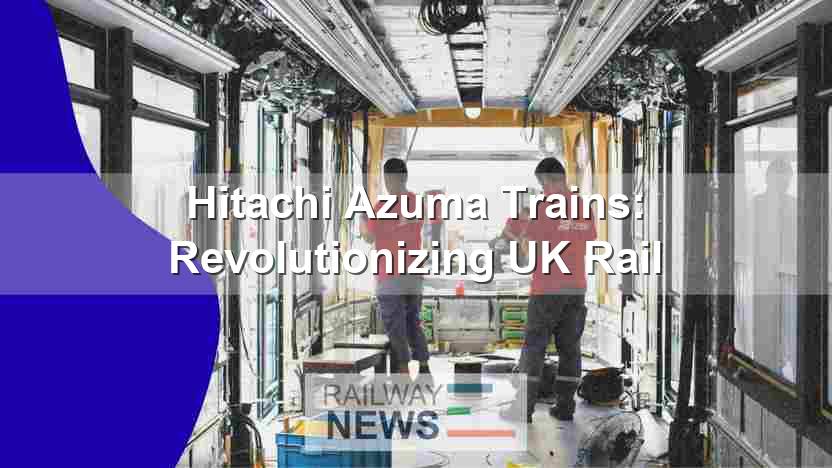
This article explores the significant arrival of two new Hitachi-built Azuma trains in the UK, marking a pivotal moment in the modernization of the country’s rail network. The introduction of these state-of-the-art trains, capable of operating on both electric and diesel power, signifies a considerable investment in improving passenger experience and operational efficiency on the East Coast Main Line (ECML). We will examine the specifications of the Azuma trains, the implications of their introduction for Virgin Trains, the broader impact on the UK rail industry, and the long-term strategic benefits this signifies. The arrival of these trains isn’t merely a delivery; it’s a symbol of a commitment to enhancing rail infrastructure and passenger service in the UK. This analysis will delve into the technical capabilities, operational strategies, and economic implications associated with the integration of these new rolling stock assets, providing a detailed perspective on this significant development.
Azuma Train Specifications and Capabilities
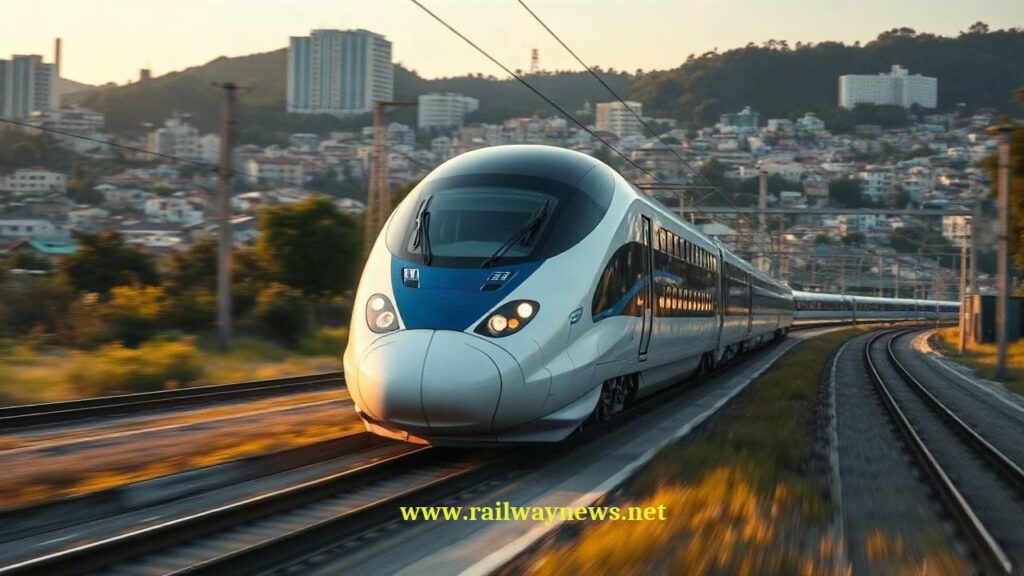
The two five-car Azuma trains, shipped from Japan, represent a significant technological advancement for the UK rail network. Their bi-mode capability (capable of operating on both electric and diesel power) allows for seamless operation across diverse track sections, eliminating the need for locomotive changes and enhancing operational flexibility. This dual-power system significantly improves the versatility of the trains, enabling them to traverse both electrified and non-electrified lines along the ECML. The trains also boast features designed to enhance passenger comfort, including increased legroom, ample luggage space, and high-speed Wi-Fi. These features are crucial in attracting and retaining passengers, contributing to the overall success of the Virgin Trains East Coast (VTEC) service.
Driver and Crew Training and Operational Readiness
Before the Azuma trains enter passenger service, extensive training is imperative for both drivers and onboard crew. Virgin Trains has proactively addressed this by utilizing Azuma simulators at key stations, including King’s Cross, Leeds, Newcastle, and Edinburgh. This proactive approach to training ensures that personnel are fully prepared to operate the new trains safely and efficiently. The simulators provide realistic training environments, allowing drivers and crew to familiarize themselves with the trains’ unique features and systems before operating them on actual routes. This meticulous training process is crucial to minimizing operational disruptions during the transition to the new fleet.
The Broader Impact on the UK Rail Network
The introduction of the 65-strong Azuma fleet will have a far-reaching impact on the UK rail network, particularly the ECML. The increase of 12,200 seats will significantly boost capacity, addressing issues of overcrowding and improving passenger comfort. Faster journey times are also anticipated due to improved train technology and operational efficiencies. Beyond the direct impact on the ECML, the arrival of the Azuma trains signals a broader trend of modernization within the UK’s rail infrastructure. It demonstrates a commitment to enhancing passenger experience and improving the overall efficiency of the rail network. This investment in new rolling stock can serve as a catalyst for further upgrades and improvements across other railway lines in the UK.
Hitachi’s Investment and Future Plans
Hitachi’s investment in the UK rail sector is substantial. The company’s £80m train depot in Doncaster will be responsible for the maintenance of the Azuma fleet, ensuring the long-term operational reliability of the trains. Additionally, Hitachi’s Newton Aycliffe facility, employing 1,000 people (including 50 apprentices), is crucial for the ongoing manufacturing of the Azuma trains. This demonstrates Hitachi’s commitment not only to providing advanced rolling stock but also to contributing to the UK economy through job creation and skills development. The continued investment and expansion of Hitachi’s operations in the UK signifies a long-term commitment to the UK rail industry, signaling future possibilities for collaborative projects and further modernization initiatives.
Conclusions
The arrival of the Hitachi-built Azuma trains marks a significant step forward for the UK rail industry. The introduction of these bi-mode trains, capable of operating on both electric and diesel lines, greatly enhances the operational flexibility and efficiency of the East Coast Main Line. The increased seating capacity and improved passenger amenities, including enhanced legroom, luggage space and Wi-Fi, promise to significantly enhance passenger experience. Additionally, the detailed driver and crew training program, utilizing advanced simulators, ensures a smooth transition to the new fleet. Hitachi’s significant investment in a new maintenance depot and its large UK manufacturing facility underscores their commitment to the long-term success of this project and the continued modernization of the UK’s railway infrastructure. The Azuma trains represent more than just new rolling stock; they embody a commitment to enhancing both passenger experience and the overall efficiency of the national rail network, positioning the UK for a future of improved and more sustainable rail travel.
Looking ahead, the successful integration of the Azuma fleet will serve as a benchmark for future rail modernization projects. The lessons learned from this rollout, including best practices in training, maintenance, and passenger service, will be invaluable for future investments in upgrading the UK rail network. The long-term impact extends beyond the ECML, potentially influencing the development and implementation of similar modernization projects across the country. This significant investment represents a strategic move towards improved infrastructure, creating a more efficient, sustainable, and passenger-focused rail system that meets the evolving needs of the UK population. The Azuma trains, therefore, are not simply a technological advancement; they are a symbol of a forward-looking approach to national infrastructure development.

Railway infrastructure, rolling stock and transport technologies specialist focused on global rail industry developments, high-speed rail systems, signaling technologies and freight transportation. Covering railway investments, public transport modernization, rail operations and international mobility projects across Europe, Asia and North America.
RELATED POSTS
September 6, 2026 5:19 am
Hitachi delivered Taiwan's first N700ST high-speed train from Japan in...

September 5, 2026 4:19 pm
CPK launched formal tender talks with four consortia to design...
September 5, 2026 7:14 pm
HS2 Ltd signed renegotiated civils contracts with EKFB and Align...
September 6, 2026 4:12 am
Alstom delivered the first of 100 new G Class trams...
September 6, 2026 1:17 am
Hitachi Toshiba Supreme Consortium confirmed the first of 12 N700ST...
September 6, 2026 6:17 am
Hungary ordered a national ban on most freight trains from...