
High-Speed Rail Safety: Intrusion Prevention & Future of HSR
Here are a few options for a voiceover-friendly excerpt for railway professionals, based on the provided text:
**Option 1 (Focus on Intrusion Detection):**
> High-speed rail safety hinges on preventing intrusions. Learn how advanced track intrusion detection systems protect our vital rail infrastructure.
**Option 2 (Focus on a Holistic Approach):**
> Safeguarding high-speed rail demands a holistic approach. From infrastructure to technology, we prioritize passenger and operational safety.
**Option 3 (Focus on Technology and Safety):**
> Cutting-edge technology is key to high-speed rail safety. Discover how signaling, monitoring, and track intrusion detection enhance our security.

High-Speed Rail Safety: A Deep Dive into Intrusion Prevention
High-speed rail (HSR) systems represent a pinnacle of modern transportation, offering rapid and efficient travel across vast distances. However, the very nature of their design – high speeds, frequent service, and often complex infrastructure – necessitates stringent safety measures. This article will delve into the critical aspects of safety in HSR, focusing on the multifaceted strategies employed to mitigate risks and ensure passenger and operational security. We will explore the various layers of protection, from physical barriers and signaling systems to advanced technologies designed to prevent accidents and unauthorized access. The goal is to provide a comprehensive understanding of the challenges and innovative solutions shaping the future of safe and reliable high-speed rail travel. The discussion will encompass the design of infrastructure and the ongoing maintenance requirements to ensure the system’s integrity. Further consideration will be given to the role of technology in providing enhanced levels of safety and security.
Safety’s Cornerstones: Infrastructure and Design
The foundation of HSR safety lies in its infrastructure and design. *Track geometry* is paramount. This refers to the precise arrangement of the rails, including curves, gradients, and transitions. Strict tolerances are maintained during construction and meticulously monitored during operation to prevent derailments. Robust *signaling systems* are also essential. These systems, which include Automatic Train Protection (ATP) and Automatic Train Operation (ATO), provide continuous supervision of train movements. ATP enforces speed limits and automatically initiates braking if a train exceeds the permitted velocity, preventing collisions. ATO optimizes train performance and energy consumption. The design of the track itself must withstand the immense stresses imposed by high-speed trains. This requires the use of specialized rails, high-quality ballast, and robust concrete sleepers. Furthermore, *grade separations* are crucial, eliminating level crossings where trains intersect with road traffic, a frequent cause of accidents in conventional rail networks. All of these elements come together to create a safe operating environment.
You might be interested in:
Last October 2018, we published an article about HS2’s Curzon Street and Interchange stations. Click here to read – HS2: UK Rail Infrastructure Revolution
Operational Protocols and Risk Management
Beyond the physical infrastructure, rigorous operational protocols are essential for maintaining safety. These include strict *train operation rules*, comprehensive *driver training programs*, and regular *maintenance schedules*. Train drivers receive extensive training in operating procedures, emergency response, and route familiarization. A well-defined maintenance regime is crucial to identify and rectify potential problems before they can escalate into incidents. This involves routine inspections of tracks, signaling systems, rolling stock, and other critical components. Risk management is a continuous process that involves identifying potential hazards, assessing their likelihood and consequences, and implementing mitigation strategies. This includes procedures for managing adverse weather conditions, equipment failures, and security threats. *Emergency response plans* are also vital, outlining procedures for responding to incidents such as derailments, fires, and medical emergencies. Close collaboration between railway operators, emergency services, and local authorities is critical in effectively responding to these events.
Technological Advancements in Safeguarding Operations
Technological advancements play a crucial role in enhancing HSR safety. Advanced *signaling systems* incorporating European Rail Traffic Management System (ERTMS) technology offer enhanced train control and communication capabilities. *Real-time monitoring systems* continuously track train movements, track conditions, and environmental factors, enabling operators to identify and respond to potential problems proactively. *Advanced sensors* can detect track defects, wheel flats, and other anomalies, allowing for timely maintenance and preventing potential derailments. Further, *automated track inspection systems* employing lasers and other technologies provide comprehensive and efficient track condition assessments. The integration of *data analytics* allows for predictive maintenance, optimizing maintenance schedules and reducing the likelihood of unexpected failures.
*track intrusion detection* systems use a combination of sensors, cameras, and algorithms to detect and alert operators to the presence of unauthorized individuals or objects on the track, minimizing the risk of collisions.
Conclusions: A Holistic Approach to Safety
In conclusion, ensuring the safety of high-speed rail systems requires a multifaceted approach that encompasses infrastructure design, operational protocols, technological innovation, and a robust safety culture. The intricate network of rails, signals, and supporting infrastructure necessitates meticulous construction, vigilant maintenance, and continuous monitoring. Strict adherence to operational rules, comprehensive training, and proactive risk management are equally important in safeguarding both passengers and operational integrity. The adoption of advanced technologies, from sophisticated signaling systems to real-time monitoring and *track intrusion detection*, further enhances safety by providing early warnings of potential hazards and enabling rapid response. Ultimately, HSR safety is not merely a technical issue, but a commitment to continuous improvement and vigilance. The pursuit of safer and more reliable high-speed rail transportation demands ongoing investment in research, development, and training, ensuring that these vital transportation arteries remain secure for future generations. Only through a holistic approach can the full potential of high-speed rail be realized, providing a safe, efficient, and sustainable mode of transportation for all.
RELATED POSTS
April 2, 2026 9:48 am
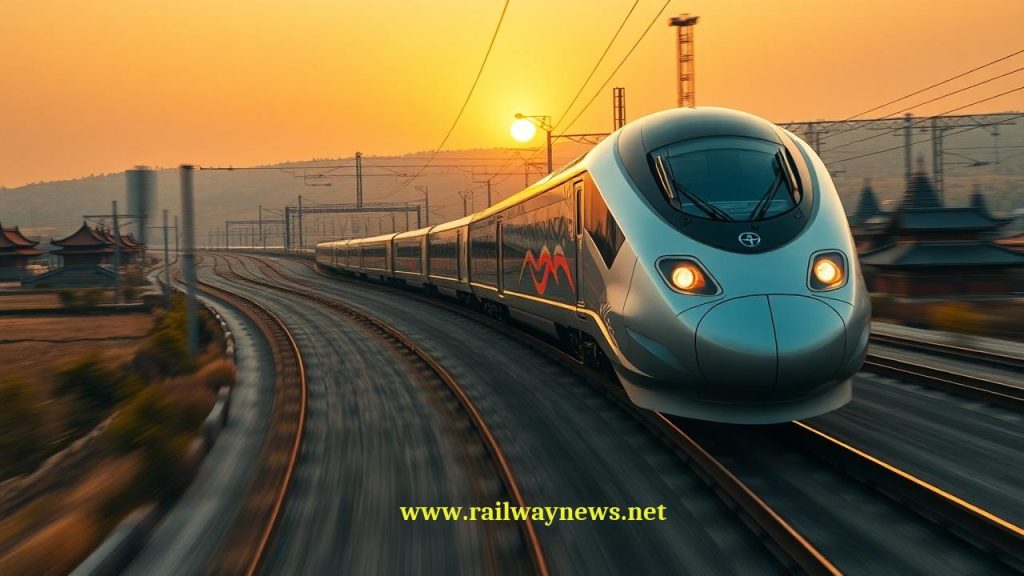
China expanded its high-speed rail network to 50,000 km by...
April 1, 2026 8:40 pm
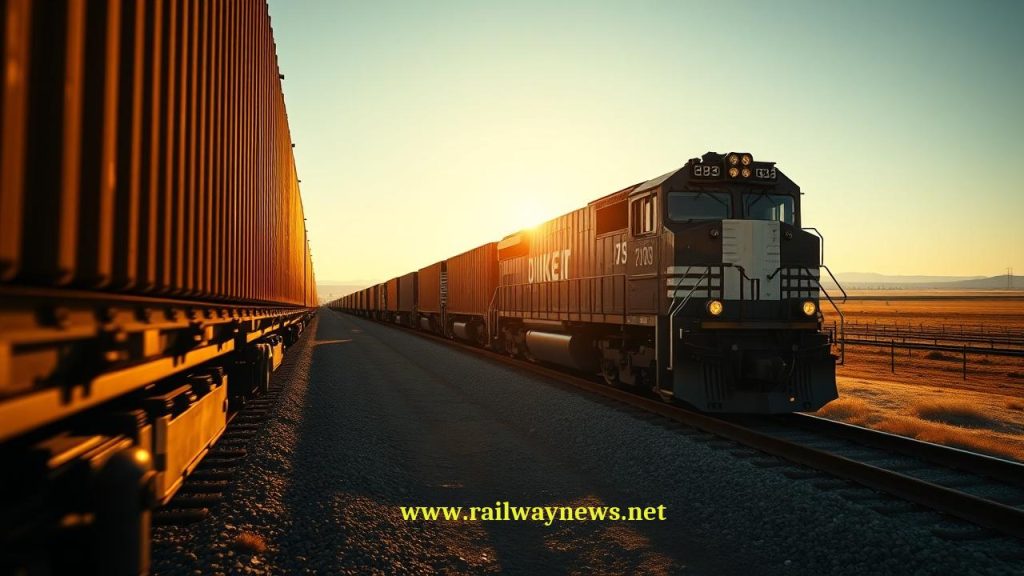
BNSF Railway expands Galesburg, Illinois, yard capacity, with second hump...
April 1, 2026 6:21 pm
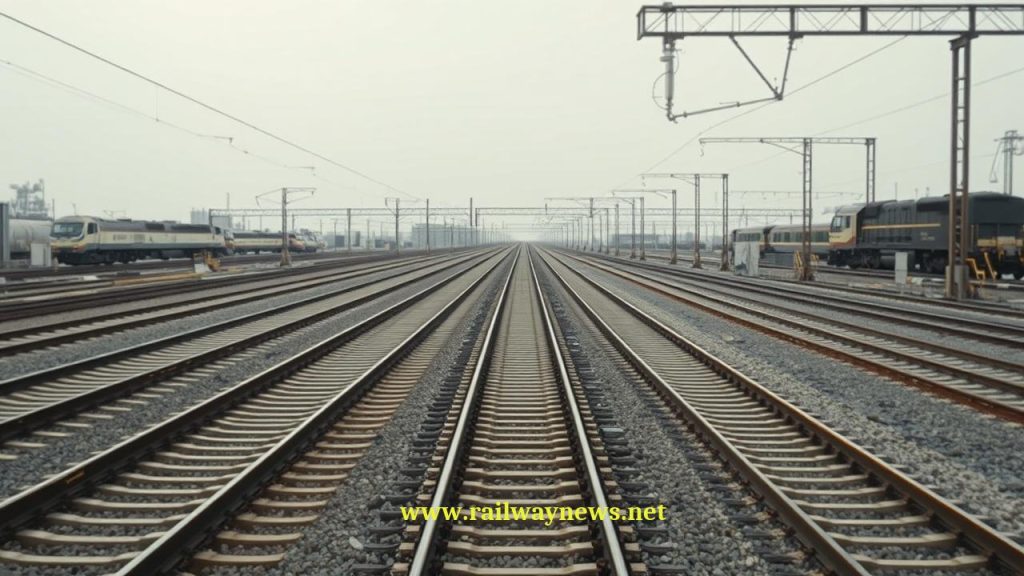
Federal Transit Administration awarded $20.6 billion in formula-based apportionments to...
April 1, 2026 12:10 pm
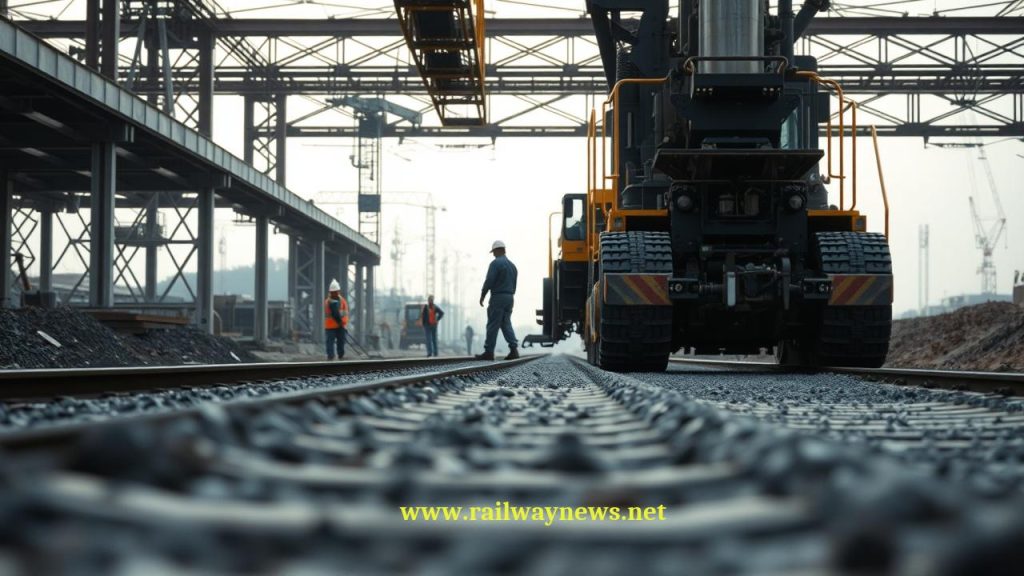
Alstom secured a €410 million contract from CFR SA to...
April 1, 2026 2:14 pm
Saudi Arabia Railways launched a 1,700 km freight rail corridor...
April 1, 2026 5:39 pm
The U.S. Surface Transportation Board proposed a 1.5% annual US...