
High-Speed Rail Future: Siemens Mireo & Infrastructure Trends
High-speed rail’s future is electric! Discover how advanced technologies and infrastructure improvements are revolutionizing this vital transportation sector.

The Future of High-Speed Rail: Technological Advancements and Infrastructure Development
The global railway industry is experiencing a period of unprecedented transformation, driven by technological advancements and a growing need for sustainable and efficient transportation solutions. This article explores the key factors shaping the future of high-speed rail, focusing on innovative technologies, infrastructure improvements, and the crucial role of public-private partnerships. We will delve into the intricacies of advanced train designs, the development of smart railway networks, and the economic considerations influencing investment decisions. Understanding these elements is essential for anyone seeking to comprehend the evolving landscape of high-speed rail and its potential for significantly improving global connectivity and sustainability.
Advanced Train Technologies: Pushing the Boundaries of Speed and Efficiency
Modern high-speed rail networks are increasingly adopting cutting-edge technologies to enhance passenger experience and operational efficiency. These advancements range from innovative traction systems, such as superconducting magnets, to advanced signalling and control systems. Improvements in aerodynamics and lightweight materials contribute to a significant reduction in energy consumption and increase in operational speeds. Furthermore, the integration of advanced sensing technologies, including GPS and inertial measurement units (IMU), enhances the precision and safety of train operation, thereby reducing derailment risks and improving overall reliability.
Infrastructure Modernization: Building the Foundation for a Seamless Rail Network
The performance and capacity of a high-speed rail network are inextricably linked to the quality and sophistication of its infrastructure. Upgrades to track geometry, ballast renewal, and the implementation of advanced communication systems play a pivotal role in ensuring reliable and high-speed operation. Employing technologies such as trackside sensors for preventative maintenance and using advanced materials to build more resilient infrastructure are crucial for maximizing the lifespan and efficiency of these vital assets. The design of railway stations needs to be revisited to account for the growing demand for seamless connections and passenger flow. Modernization initiatives should prioritize the creation of integrated transit hubs that serve not only rail passengers but also bus and other modes of transportation.
The Role of Public-Private Partnerships in Funding and Development
Significant investment is necessary to modernize high-speed rail networks and to implement cutting-edge technologies. Public-private partnerships (PPPs) are playing an increasingly important role in bridging the gap between funding requirements and the need for infrastructure development. These collaborations often leverage private sector expertise and investment to finance projects, while ensuring that the public interest and safety standards are upheld. Attractive financial incentives and a clear legal framework are paramount to attracting private investment in these endeavors and ensuring their long-term success. The long-term financial sustainability of these ventures is critical, emphasizing the importance of risk mitigation and transparent financial reporting throughout the project lifecycle.
The Future is Electric: Embracing Sustainability and Efficiency
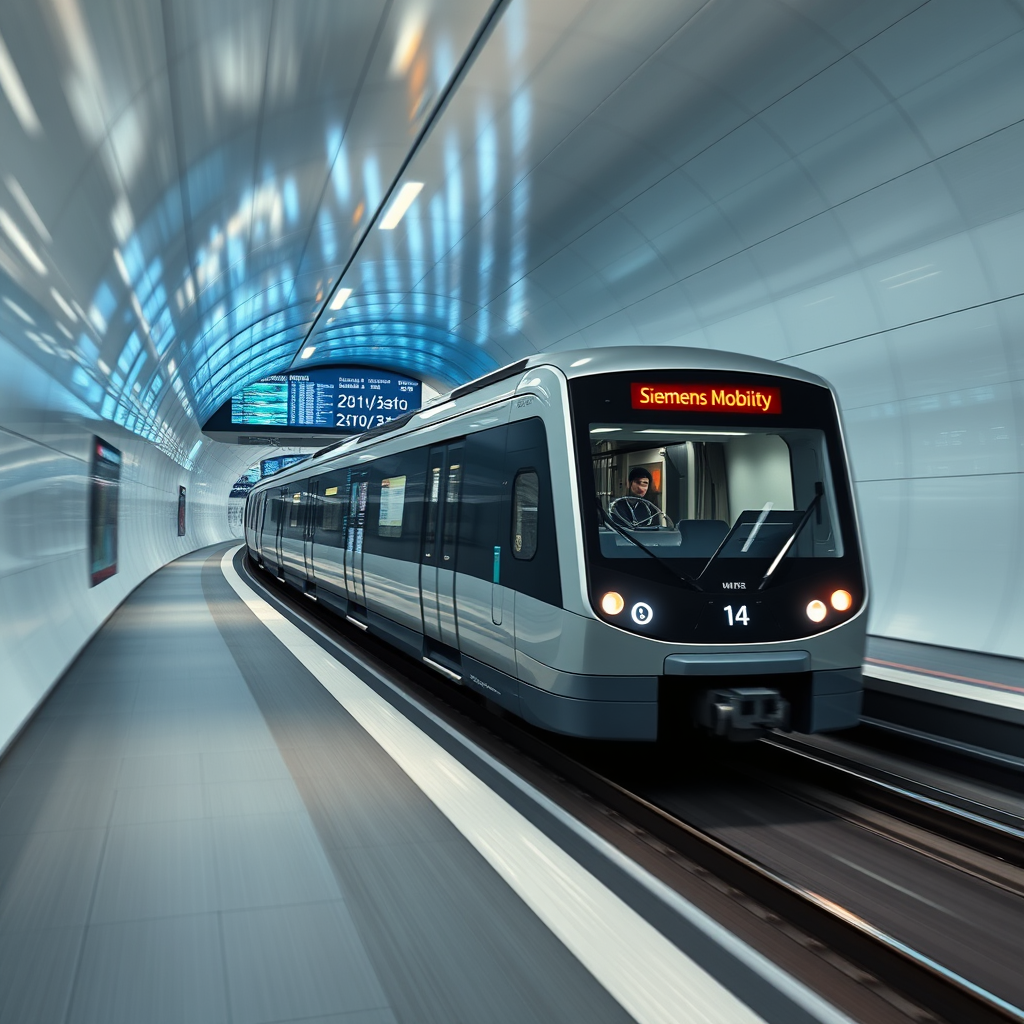
The electrification of railway systems is no longer a futuristic concept, but a critical component of sustainable transportation. The transition from diesel-powered trains to electric-powered ones, such as the *Siemens Mireo trains*, significantly reduces emissions and noise pollution, aligning with environmental goals. Integrating renewable energy sources into the power supply further enhances sustainability. This shift also reduces operational costs, while improving performance through more consistent power delivery to the traction motors. The design of charging infrastructure must be carefully considered, balancing operational efficiency with the spatial requirements of the stations and surrounding areas.
Last December 2018, we published an article about Caltrain’s expanding electric fleet and capacity boost. Click here to read – Caltrain Expansion: Electrification, Capacity Boost
Conclusion
The future of high-speed rail is characterized by a confluence of technological innovation, infrastructure modernization, and strategic public-private partnerships. This article has highlighted the crucial role of advanced train technologies, particularly in areas like propulsion, signalling, and safety systems. Modernizing existing infrastructure to accommodate higher speeds and increased passenger capacity is equally important. Efficient use of resources through environmentally responsible electrification, utilizing renewable energy and innovative materials, is paramount. Public-private partnerships are essential for facilitating the significant capital investments required to fully realize the potential of high-speed rail. This concerted effort across these areas will drive substantial improvements in global connectivity, sustainability, and economic development. The introduction of electric-powered trains like the *Siemens Mireo trains* is a significant step in this direction, representing a profound shift in the railway industry. Ultimately, the successful implementation of these advancements will be instrumental in shaping a future where high-speed rail serves as a vital pillar of modern transportation, promoting economic growth, environmental responsibility, and global connectivity.
RELATED POSTS
March 11, 2025 3:51 pm
This article examines the recent completion of the significant upgrade...
June 1, 2017 3:04 am
China Railway and the TITR International Association are boosting the...
February 19, 2022 5:29 am
This article analyzes the recent contract awarded to Hitachi Rail...
February 10, 2020 9:26 am
High-Speed Rail Safety: A Critical Analysis Following the Lodi Derailment...
July 1, 2025 9:33 am
Network Rail's Project Reach aims to eliminate rail signal blackspots,...

August 20, 2015 4:13 am
Japan has a drinking problem. So prevalent is the act...