
High-Speed Rail Future: Alstom X’Ttrapolis Mega Trends
High-speed rail is evolving rapidly, integrating new technologies and electrification for a sustainable future. Discover how these advancements are shaping the future of railway travel!

The Future of High-Speed Rail: A Deep Dive
The evolution of high-speed rail systems is a fascinating blend of technological innovation and infrastructural development. This article delves into the critical factors shaping the future of high-speed rail, exploring advancements in train technology, the impact of electrification, the necessity for robust infrastructure, and the vital role of efficient operational strategies. From the sleek designs of modern trains to the intricate networks of tracks and signaling systems, we will uncover the complexities and opportunities within this dynamic industry. The burgeoning demand for sustainable and efficient transportation solutions positions high-speed rail as a cornerstone of future mobility, a crucial element in addressing environmental concerns, and facilitating economic growth and connectivity on a global scale. This examination will assess the trajectory of high-speed rail, its challenges, and its potential to revolutionize transportation worldwide.
The Advancement of Train Technology
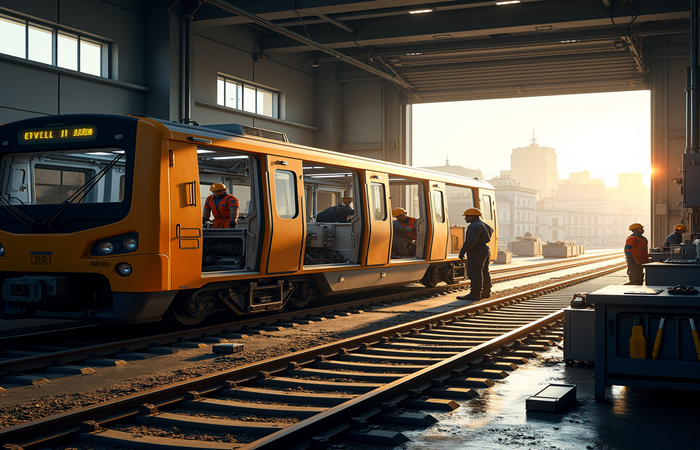
Modern high-speed train design prioritizes aerodynamic efficiency, lightweight materials, and advanced propulsion systems. The integration of innovative technologies, such as magnetic levitation (Maglev) and advanced propulsion systems, is crucial in enhancing speeds and reducing energy consumption. Engineered for optimized performance, these trains are designed to handle extreme stresses experienced during high-speed operation, resulting in a smoother and safer passenger experience. Moreover, onboard systems for passenger comfort and entertainment contribute to the overall appeal and competitiveness of high-speed rail. Examples like the *Alstom X’Ttrapolis Mega trains*, which combine advanced technology with passenger comfort, are indicative of the current and future trends in this field.
The Crucial Role of Electrification
Electrification plays a pivotal role in optimizing high-speed rail operations. Converting from diesel to electric traction significantly reduces emissions and operational costs. Electric locomotives and trains are quieter, more efficient, and have a reduced environmental impact. The extensive network of power lines and substations required for electrification must be considered carefully to ensure a comprehensive and cost-effective solution for long-haul routes. Considerations include efficient power distribution along the entire rail line to maintain constant voltage and frequency during transit.
Infrastructure and Operational Strategies for Success
High-speed rail networks require meticulously planned infrastructure. This includes high-speed lines with a precise alignment, robust track maintenance schedules, and sophisticated signaling systems. The infrastructure should be designed to accommodate the elevated speeds of these trains, ensuring safety and efficiency. Operational strategies also play a critical role in optimizing the performance and reliability of the network. This includes precise scheduling, effective communication systems between control centers and train operators, and robust maintenance procedures. Precise scheduling, communication protocols, and stringent safety protocols are indispensable to ensure efficient and reliable service.
Conclusion: Shaping the Future of Rail Travel
The future of high-speed rail hinges on a complex interplay of technological advancements, infrastructural development, and operational efficiency. Advanced train technologies, such as those exemplified by the *Alstom X’Ttrapolis Mega trains*, are driving improvements in speed, comfort, and sustainability. Electrification significantly reduces environmental impact and operational costs, while comprehensive infrastructure and optimized operational strategies ensure the safety, efficiency, and reliability of high-speed rail services. By understanding and addressing the challenges inherent in developing and maintaining extensive high-speed rail networks, we can unlock the full potential of this transformative mode of transport. The integration of new technologies and a focus on both passenger comfort and environmental consciousness will ultimately determine the success and widespread adoption of high-speed rail in the coming years. The potential benefits – from reduced travel times to enhanced economic growth – are undeniable, making high-speed rail a pivotal component in future transportation systems. However, the economic viability and societal acceptance will also depend on an appropriate balancing of cost, time, and sustainability concerns. Careful planning and strategic investments in infrastructure, technology, and operational efficiency are essential for achieving the full promise of high-speed rail in the decades ahead. This article highlights the diverse factors driving this evolution and offers a glimpse into the future of railway travel. By adapting to emerging trends and meeting future demands, high-speed rail has the potential to transform the landscape of travel and logistics, reshaping how we interact with our surroundings and each other.
You might be interested in:
Last January 2019, we looked at how ADB is revolutionizing rail connectivity in Central Asia. Click here to read – ADB’s Rail Revolution: Transforming CAREC Connectivity
RELATED POSTS

October 30, 2025 6:54 am
A new campaign combats **fare evasion**! Research reveals strong public...

July 4, 2025 12:33 pm
LA Metro approves in-house transit ambassador program, boosting public transit...

The European Investment Bank (EIB) has granted a $432m (€293m)...
August 28, 2007 7:42 am
The Islamic Republic of Iran Railways, Iran Power Plant Projects...
February 21, 2018 9:14 pm
Ankara's metro system expands with new lines, addressing traffic congestion...
June 16, 2025 3:01 pm
Alstom upgrades Seville Metro signaling, boosting safety and efficiency. ...