
High-Speed Rail Advancements: Future of Sustainable Transport
Here are a few voiceover-friendly excerpts tailored for railway professionals, using the provided text:
**Option 1 (Focus on Infrastructure)**
> High-speed rail relies on specialized infrastructure: dedicated tracks, advanced signaling, and robust electrification. Learn how these systems revolutionize modern transport.
**Option 2 (Focus on Safety and Efficiency)**
> Advanced signaling ensures high-speed rail safety and efficiency. Discover the European Train Control System and other technologies driving the future of rail.
**Option 3 (Focus on Future & Economic Impact)**
> High-speed rail drives economic growth and sustainable transport. Explore the cutting-edge technology shaping the future and its impact on the world.

Understanding High-Speed Rail Technology: A Deep Dive
High-speed rail (HSR) technology represents a paradigm shift in modern transportation, offering a compelling alternative to air travel and traditional rail systems. This article delves into the intricacies of HSR, exploring its key components, operational strategies, and the technological advancements that make it a cornerstone of sustainable and efficient mobility. We will examine the engineering marvels behind these systems, from the design of the tracks and rolling stock to the advanced signaling and control mechanisms that ensure safety and optimal performance. Furthermore, we will analyze the impact of HSR on urban development, environmental sustainability, and the global economy. This exploration aims to provide a comprehensive understanding of this transformative technology and its role in shaping the future of transportation.
Rolling Stock and Infrastructure: The Foundation of High-Speed Rail
The success of any high-speed rail system hinges on two fundamental pillars: the rolling stock (the trains themselves) and the infrastructure that supports them. HSR trains are specifically designed to operate at exceptionally high speeds, typically exceeding 250 kilometers per hour (155 miles per hour). This requires a focus on several key areas. Aerodynamic design is paramount, minimizing air resistance to achieve optimal speeds and reduce energy consumption. Lightweight materials, such as aluminum alloys and carbon fiber composites, are used to reduce the train’s overall mass and improve acceleration and deceleration performance. Powerful traction systems, often employing electric motors, provide the necessary thrust.
The infrastructure supporting HSR is equally critical. Dedicated tracks, often constructed with continuously welded rails to minimize vibrations and ensure a smooth ride, are essential. These tracks typically have a wider gauge and tighter curves than conventional railways to accommodate high-speed travel. Signaling systems, such as European Train Control System (ETCS), are employed to manage train movements safely and efficiently. These systems constantly monitor train positions, speed, and other critical parameters, automatically adjusting train speeds and braking to prevent collisions and maintain optimal spacing between trains. Electrification infrastructure, including overhead catenary systems or third-rail power supply, provides the electricity required to power the trains. This infrastructure must be robust and reliable to ensure consistent and uninterrupted operation.
You might be interested in:
Last October 2018, we published an article about Bangkok’s monorail maintenance strategy. Click here to read – Bangkok Monorail: Bombardier’s 20-Year Maintenance Strategy
Signaling and Control Systems: Ensuring Safety and Efficiency
The operation of high-speed rail systems relies heavily on advanced signaling and control systems. These systems are crucial for ensuring the safety of passengers and optimizing the efficiency of train operations. The ETCS (European Train Control System) is a prominent example of such a system, providing continuous supervision of train movements. ETCS constantly monitors the train’s speed and location, comparing it with the permissible speed limits for the current track section. If the train exceeds the speed limit, the system automatically applies the brakes, preventing potential accidents.
Automatic Train Protection (ATP) and Automatic Train Operation (ATO) are integral components of HSR signaling systems. ATP systems automatically control train speed, preventing overspeeding and ensuring compliance with signaling instructions. ATO systems automate train control, allowing for optimized acceleration, deceleration, and speed regulation. Centralized Traffic Control (CTC) centers are also essential, allowing railway operators to monitor and manage train movements across the entire network. CTC systems provide real-time information on train locations, track occupancy, and potential disruptions, enabling operators to make informed decisions and maintain smooth and efficient operations.
High-Speed Rail and the Future of Transportation
The impact of high-speed rail extends beyond simply moving passengers from one point to another. HSR plays a crucial role in promoting economic development, reducing environmental impact, and shaping the future of transportation. By connecting major cities and regions, HSR stimulates economic growth by facilitating trade, tourism, and the movement of goods and people. Compared to air travel, HSR generally has a lower carbon footprint, contributing to the reduction of greenhouse gas emissions and the mitigation of climate change. HSR systems also reduce congestion on roads and in airports, improving overall transportation efficiency.
Looking ahead, advancements in technology will continue to drive the evolution of HSR. Research and development efforts are focused on improving train aerodynamics, developing lighter and stronger materials, and optimizing energy efficiency. Artificial intelligence (AI) and machine learning are being integrated into signaling and control systems to further enhance safety, efficiency, and predictive maintenance. Furthermore, the integration of HSR with other modes of transportation, such as airports and local transit systems, will create seamless and interconnected transportation networks, further enhancing the appeal and accessibility of high-speed rail.
Conclusions: Charting the Course for a High-Speed Future
In conclusion, high-speed rail represents a remarkable feat of engineering and a vital component of modern transportation infrastructure. From the specialized design of the rolling stock and the construction of dedicated infrastructure to the sophisticated signaling and control systems, every aspect of HSR is meticulously engineered to ensure safe, efficient, and sustainable travel at unprecedented speeds. The **Fuxing train**, a prominent example of China’s HSR technology, exemplifies the advancements being made in this field, showcasing innovative design, high performance, and a commitment to passenger comfort. The development and deployment of HSR technology have a significant impact on economic growth, environmental sustainability, and the overall efficiency of transportation networks. The transition to HSR offers reduced reliance on fossil fuels, decreased traffic congestion, and fosters regional development through enhanced connectivity.
As we look towards the future, the advancements in technology such as AI and the ongoing research and development initiatives will continue to refine and enhance HSR systems, leading to further gains in performance, safety, and energy efficiency. The integration of HSR with other modes of transport, such as local transit and airports, will streamline travel experiences, making HSR an even more appealing alternative to traditional modes of transport. As the world faces the challenge of building a more sustainable and interconnected global economy, high-speed rail, with its proven track record and its potential for future growth, is certain to play a key role in shaping the future of transportation. Its continued development and expansion will be crucial in building a more connected, efficient, and environmentally conscious world.
RELATED POSTS
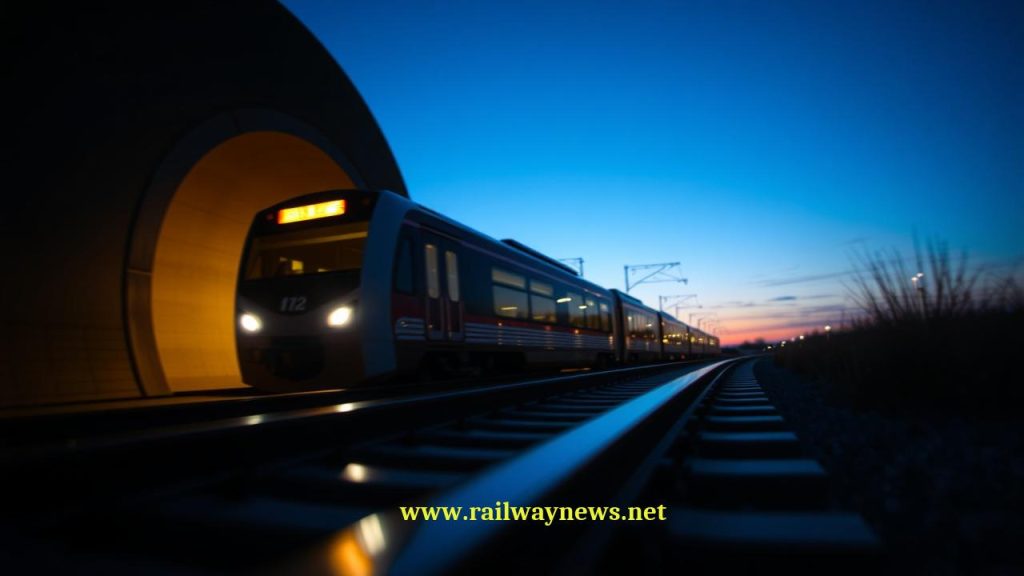
January 30, 2026 8:39 pm
Northern Indiana Commuter Transportation District appointed David Dech to lead...

August 28, 2007 7:42 am
The Islamic Republic of Iran Railways, Iran Power Plant Projects...

February 27, 2017 10:45 am
The railway networks of Iran and Afghanistan will be connected...
September 7, 2025 4:12 am
CSX wins Maersk's 2025 Intermodal Supplier of the Year award,...
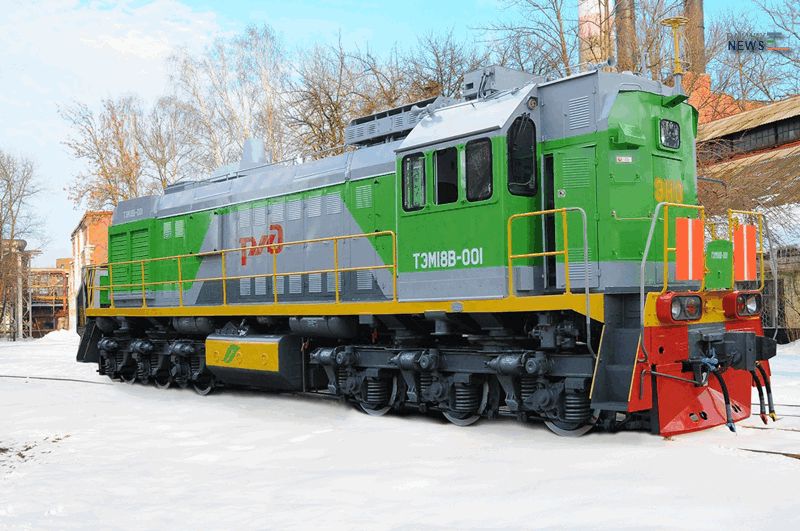
January 24, 2013 6:53 am
Bryansk Engineering Plant (BMZ, incorporated in CJSC Tranamashholding) passed two...
October 22, 2025 12:54 pm
Eurostar unveils EUR 2 billion plan for *Eurostar Celestia* double-decker...