
Helsinki’s €1.2B Tram Expansion: A Collaborative Approach
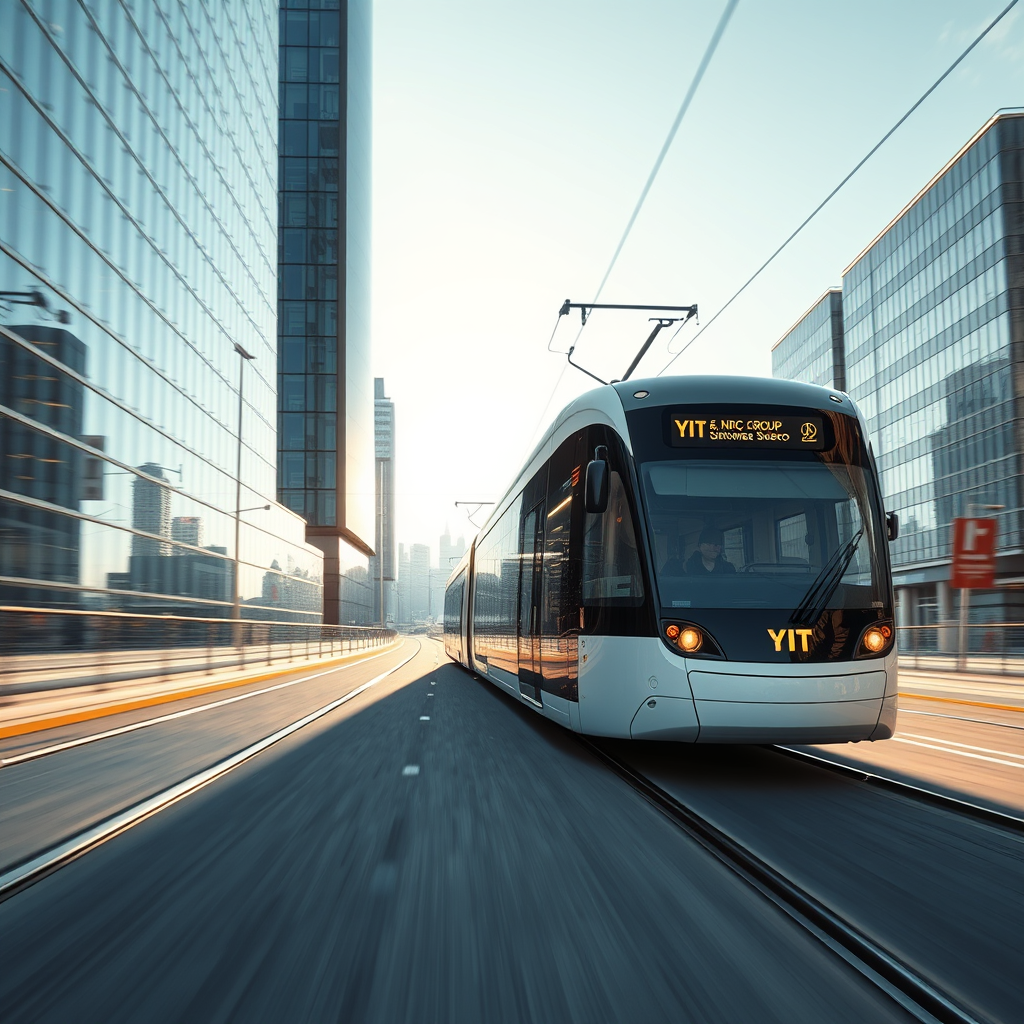
This article delves into the significant expansion of Helsinki’s tramway network, a project of substantial scale and complexity within the broader context of urban development. The Helsinki Urban Development and Tramway Programme Alliance, a collaborative effort involving multiple stakeholders, is spearheading this ambitious undertaking. This alliance represents a strategic shift towards integrated planning and execution, combining expertise in construction, engineering, and urban design. The focus will be on the Western Helsinki tramway, the West Harbour light rail, and the Viikki-Malmi light rail lines. This multifaceted approach promises a more efficient and sustainable approach to delivering this crucial infrastructure, addressing challenges associated with large-scale urban transit projects, such as coordinating multiple contractors, managing complex regulatory frameworks, and ensuring seamless integration with existing infrastructure. The economic impact, both during construction and through long-term operational efficiency improvements, will also be examined. The substantial investment, estimated at €1.2 billion, underscores the commitment to modernizing Helsinki’s public transportation system and improving the quality of life for its citizens. This article will explore the phases of implementation, technological advancements, and the overall strategic vision driving this transformative project.
The Helsinki Urban Development and Tramway Programme Alliance: A Collaborative Approach
The formation of the Helsinki Urban Development and Tramway Programme Alliance (HUTPA) marks a significant departure from traditional, fragmented approaches to large-scale infrastructure projects. This collaborative model brings together key players – YIT Corporation, NRC Group, Sitowise, and Sweco – each contributing its specialized expertise to streamline the entire process. YIT, a prominent construction and development company with extensive experience in Finnish tramway projects, acts as a central partner, leveraging its knowledge of local regulations and construction practices. The partnership with NRC Group, Sitowise, and Sweco ensures comprehensive coverage across engineering, design, and project management. This integrated approach promotes efficient communication, reduces potential conflicts, and optimizes resource allocation, thereby potentially minimizing project timelines and costs. This collaborative structure directly addresses the challenges inherent in managing such a complex project across various stages, from initial planning through to final construction.
The Western Helsinki Tramway: A Foundation for Future Expansion
The Western Helsinki Tramway (WHT) serves as the cornerstone of the HUTPA’s initial phase. This project encompasses the construction of new tram lines along Vihdintie, Fredrikinkatu, and Topeliuksenkatu, complemented by crucial street improvements. Securing both an implementation decision from the Helsinki City Council and state aid indicates strong political support and financial backing. Construction is scheduled to commence in 2026, following the detailed planning phase by the alliance. The WHT project’s success will serve as a crucial benchmark for future phases of the overall program, demonstrating the effectiveness of the alliance’s collaborative approach and the feasibility of subsequent projects. The careful consideration of traffic management during construction is paramount to minimize disruption to the city’s daily operations.
The West Harbour and Viikki-Malmi Light Rail Lines: Expanding Connectivity
Following the completion of the WHT, the alliance will focus on the West Harbour light rail (WHLR) and the Viikki-Malmi light rail (VMLR) lines. These projects, pending City Council approval, are projected for implementation between 2027 and 2032. The WHLR will enhance connectivity to the burgeoning West Harbour area, while the VMLR will improve access to the rapidly developing Viikki and Malmi districts. The design and implementation of these lines will benefit from lessons learned during the WHT construction, potentially leading to more efficient and cost-effective delivery. The integration of Intelligent Transportation Systems (ITS) – including centralized train control systems – will also play a key role in optimizing the performance and efficiency of the entire expanded network.
Technological Advancements and Sustainable Practices
The Helsinki tramway development program is not merely about building new lines; it represents a commitment to integrating innovative technologies and sustainable practices. The implementation of ITS solutions, particularly centralized train control systems, will significantly improve the overall efficiency and safety of the network. This includes real-time monitoring of tram operations, optimized scheduling algorithms, and improved passenger information systems. Furthermore, the program emphasizes environmentally conscious construction methods and materials, minimizing the environmental impact of this large-scale project. The use of sustainable materials and energy-efficient technologies will enhance the long-term sustainability of the entire tramway network, aligning with Helsinki’s broader commitment to environmental responsibility.
Conclusion
The Helsinki Urban Development and Tramway Programme Alliance represents a significant investment in Helsinki’s future, demonstrating a commitment to sustainable urban development and modern public transportation. The phased approach, starting with the Western Helsinki Tramway and subsequently expanding to the West Harbour and Viikki-Malmi light rail lines, allows for a strategic and incremental implementation of this ambitious plan. The collaborative nature of the alliance, bringing together construction companies, engineering firms, and urban planners, is key to ensuring efficient project delivery. The incorporation of Intelligent Transportation Systems (ITS) will enhance the efficiency, safety, and sustainability of the new tramway network. The successful completion of this project will not only modernize Helsinki’s public transport system but also serve as a model for other cities undertaking similar large-scale infrastructure development. The careful planning and collaborative spirit showcased by this initiative offer valuable lessons for future urban transit projects worldwide, highlighting the importance of integrated planning, technological innovation, and sustainable practices in creating efficient, resilient, and environmentally responsible urban transportation networks. The considerable investment of €1.2 billion underscores the long-term vision for Helsinki, prioritizing improved public transport, sustainable urban growth, and enhancing the quality of life for its residents. The program’s success will be a testament to the power of collaboration and strategic planning in delivering complex infrastructure projects.
RELATED POSTS
April 1, 2026 12:10 pm
Alstom secured a €410 million contract from CFR SA to...

April 1, 2026 8:40 pm
BNSF Railway expands Galesburg, Illinois, yard capacity, with second hump...
April 1, 2026 4:31 pm
Network Rail upgraded Berrylands station platforms for £6 million, replacing...
April 1, 2026 6:21 pm
Federal Transit Administration awarded $20.6 billion in formula-based apportionments to...