
Hanwell Station: Heritage Restored, Modernized

This article explores the successful restoration of Hanwell station, a Grade II-listed 19th-century structure in London, highlighting the collaborative effort between Transport for London (TfL), the Railway Heritage Trust, and other stakeholders. The project showcases a significant achievement in balancing the preservation of historical railway architecture with the implementation of modern accessibility and passenger-centric improvements. The renovation not only enhances the passenger experience but also addresses the station’s previous designation as “at risk,” demonstrating a commitment to the long-term sustainability of heritage railway assets. This detailed examination will analyze the restoration process, its impact on passenger accessibility and the overall user experience, and the significance of the project within the context of railway heritage preservation in the UK. We will also investigate the collaborative nature of the project and the challenges faced in reconciling historical preservation with modern infrastructure needs. The case of Hanwell station serves as a valuable example for future railway renovation projects aiming to seamlessly integrate heritage preservation with contemporary requirements.
The Hanwell Station Restoration: A Balancing Act Between Heritage and Modernity
Hanwell station, originally opened by the Great Western Railway (GWR) in 1838, received a significant upgrade thanks to a joint venture between TfL and the Railway Heritage Trust. The station, designated Grade II listed in 1972 due to its deteriorating condition, was previously included on Historic England’s Heritage at Risk Register. This extensive renovation, completed in 2021, aimed to address its dilapidated state while meticulously preserving its historical significance. The project addressed numerous areas, including the restoration of original features, such as historical signage on platforms and staircases, coupled with the introduction of modern amenities like energy-efficient LED lighting and improved accessibility features.
Enhanced Accessibility and Passenger Experience
A key objective of the Hanwell station renovation was to enhance accessibility and the overall passenger experience. The project delivered step-free access, a crucial improvement for passengers with mobility limitations. This was achieved through the construction of lifts and ramps, ensuring seamless movement throughout the station. Furthermore, the renovation included the installation of new customer information screens displaying real-time travel updates, improving passenger information dissemination. The modernization efforts also extended to the waiting rooms; a derelict building on platform two was transformed into a spacious, modern waiting area, and the existing waiting room on platform three was refurbished. The accessible ticket office window and a renovated, accessible customer toilet further contribute to an inclusive and user-friendly environment.
Preserving Architectural Heritage
The restoration project prioritized the preservation of Hanwell station’s historical character. The meticulous restoration work involved the careful repair and restoration of existing architectural features. The team responsible for the project worked closely with the London Borough of Ealing’s conservation officers to ensure all works adhered to the necessary conservation standards. The successful integration of modern amenities with the original building fabric demonstrates the possibility of achieving both contemporary functionality and the retention of historical integrity. The use of traditional materials and techniques where possible ensured that the renovated station remained faithful to its original design while meeting modern safety and accessibility standards.
Collaboration and Project Management
The successful completion of the Hanwell station renovation highlights the significance of collaborative project management. The project involved a multi-disciplinary team comprising TfL, the Railway Heritage Trust, MTR Elizabeth line (the station’s operator), the London Borough of Ealing, Network Rail, and even Didcot Railway Centre, which provided valuable expertise on historical railway restoration. This collaborative approach allowed for effective knowledge sharing, resource optimization, and ultimately, the achievement of a high-quality restoration. The successful navigation of the regulatory and conservation requirements, culminating in the removal of the station from Historic England’s Heritage at Risk Register, is a testament to the effectiveness of this collaborative framework.
Conclusions
The Hanwell station renovation project serves as a powerful case study demonstrating how the preservation of historical railway architecture can be successfully integrated with the demands of modern passenger needs. The project’s success can be attributed to several key factors, including a commitment to collaborative project management, the careful balancing of heritage preservation and modernization efforts, and a proactive approach to accessibility improvements. The transformation of Hanwell station not only enhances the passenger experience and improves accessibility but also showcases the value of investing in the preservation of vital pieces of railway heritage. The removal of the station from the Heritage at Risk Register signifies a substantial achievement and offers a promising model for future railway renovation endeavors in the UK and beyond. The successful integration of modern technology and accessible design elements, coupled with the scrupulous restoration of historical features, reinforces the principle that the preservation of historical sites need not conflict with contemporary standards for user experience and infrastructure functionality. Hanwell station stands as a testament to the potential for collaborative projects that successfully bridge the gap between heritage preservation and modern accessibility, paving the way for similar successful restorations in the future. This successful approach underscores the importance of a multi-faceted and collaborative strategy in undertaking such projects, ensuring the preservation of railway heritage while providing improved facilities for modern passengers.
RELATED POSTS
February 19, 2019 8:53 pm
NSW's regional rail gets a massive upgrade! A$1.26 billion...
September 18, 2023 11:26 am
Introduction This article analyzes the recent six-month trial implemented by...
August 4, 2023 2:08 pm
This article examines the controversies surrounding the UK’s High-Speed 2...
April 19, 2015 10:10 pm
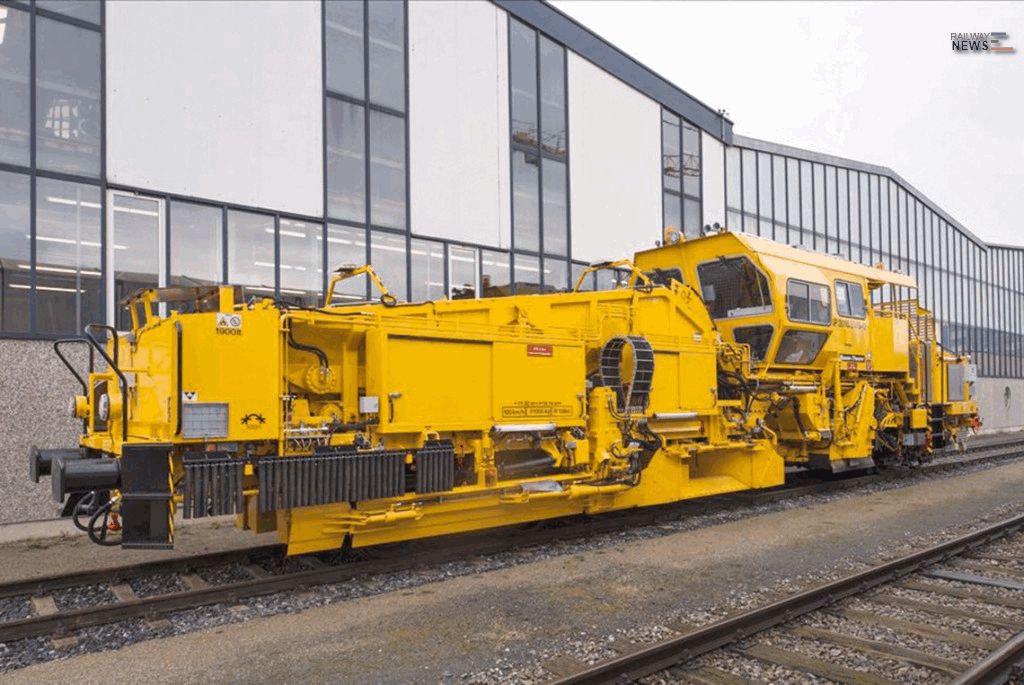
The Polish State Railways PKP adds two new universal ballast...
May 25, 2022 9:14 am
Introduction The rapid urbanization of Jakarta, Indonesia, presents significant challenges...
December 3, 2021 12:46 am
The UK Rail Crack Crisis: Investigating the Hitachi Class 800...