
Hamburg’s €2.8B Metro Overhaul: Alstom’s DT6 & Urbalis CBTC
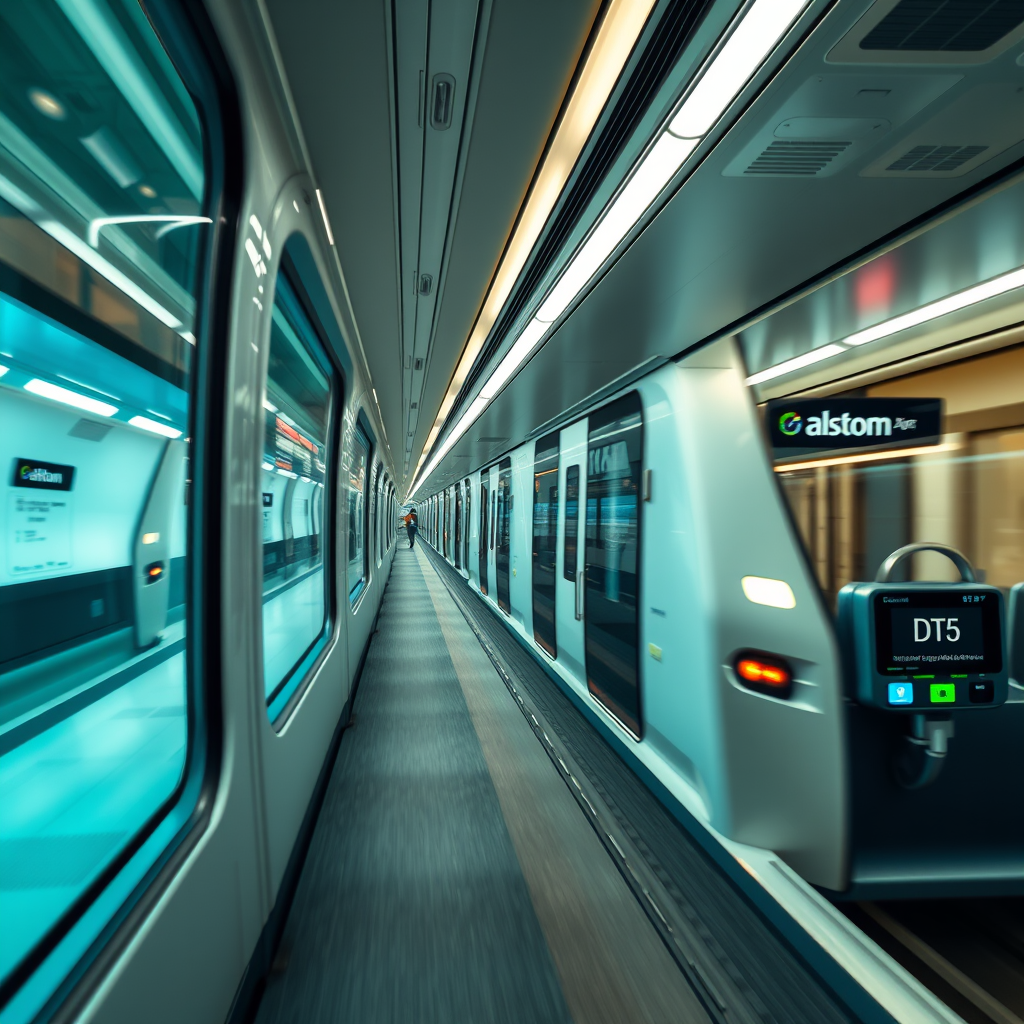
This article analyzes the significant €2.8 billion ($3 billion) contract awarded to Alstom by Hamburger Hochbahn (HH) for the comprehensive modernization of Hamburg’s metro system. This undertaking involves not only the supply of hundreds of new metro trains but also the implementation of cutting-edge signaling technology, representing a substantial investment in enhancing the city’s public transportation infrastructure. The project’s scope, technological advancements, and economic implications for both Alstom and Hamburg will be examined, highlighting the long-term strategic benefits of this ambitious endeavor. The impact on passenger experience, operational efficiency, and the overall sustainability of Hamburg’s public transport will also be considered. This detailed analysis will showcase a case study of large-scale urban rail modernization, offering insights into the complexities and benefits of such projects.
Modernizing Hamburg’s Metro Fleet: The DT6 Train
The core of the contract revolves around the delivery of up to 374 new DT6 metro trains. These trains will replace the existing DT4 fleet (also manufactured by Alstom), offering a considerable upgrade in passenger experience. The DT6 trains will incorporate features such as modern information systems for optimal passenger orientation, improved air conditioning, and USB charging ports. A key distinction is the implementation of semi-automated and fully automated operation capabilities. 254 trains will be equipped for semi-automated operation on existing lines, while 120 trains will be designed for Grade of Automation 4 (GoA4) fully automated operation on the new U5 line. This strategic blend of automation levels allows for a phased modernization approach, maximizing efficiency and minimizing disruption.
Implementing Urbalis CBTC for Enhanced Safety and Efficiency
Beyond the rolling stock, the contract includes the installation of Alstom’s Urbalis Communication-Based Train Control (CBTC) system across the entire 25km U5 line. CBTC is a sophisticated signaling system that allows for increased train frequency and improved safety. By precisely controlling train movements and spacing, CBTC enables significantly higher train throughput compared to traditional signaling systems. This technology plays a crucial role in supporting the GoA4 fully automated operation of the DT6 trains on the U5 line. The integration of Urbalis CBTC is a critical component in realizing the efficiency and safety gains projected for the upgraded Hamburg metro network.
The U5 Line: A Major Infrastructure Project
The construction of the new U5 line is a cornerstone of this modernization project. This 25km line will connect Bramfeld in the north to Volkspark in the west, passing through the city center and the university hospital. Upon completion, the U5 line is expected to serve approximately 270,000 passengers daily, with trains operating at a frequency of one every 90 seconds. The integration of the DT6 trains and the Urbalis CBTC system will be essential to achieve this high-frequency, high-capacity operation. This showcases Hamburg’s commitment to expanding its metro network and improving connectivity across the city.
Economic and Strategic Implications
This €2.8 billion contract represents a substantial investment in Hamburg’s infrastructure and a significant win for Alstom. For Hamburg, the modernized metro system enhances public transport capacity, improves passenger experience, and contributes to a more sustainable transportation system. The creation of jobs during the manufacturing and installation phases further boosts the local economy. For Alstom, this contract showcases their expertise in supplying advanced signaling and rolling stock solutions to major cities worldwide and serves as a strong reference project to attract future business. This deal signifies a significant step forward in technological advancements and economic development within the German rail industry.
Conclusions
The Alstom-Hamburger Hochbahn contract for the modernization of Hamburg’s metro system is a landmark project showcasing significant advancements in urban rail technology and infrastructure development. The delivery of 374 new DT6 metro trains, featuring improved passenger amenities and automation capabilities, coupled with the implementation of Alstom’s Urbalis CBTC system, will transform Hamburg’s metro network. The construction of the new U5 line, expected to handle a substantial daily ridership, represents a major investment in expanding the city’s public transport infrastructure. The economic benefits extend beyond the initial investment, creating jobs and stimulating local economic growth. This project is a case study in the successful integration of modern technology and urban planning, delivering improved passenger experience, enhanced efficiency, and significant environmental benefits. The modernization efforts not only upgrade Hamburg’s public transport but also set a precedent for other cities looking to modernize their rail networks. The project’s success will be measured by its long-term impact on passenger satisfaction, operational efficiency, and the overall sustainability of the city’s transportation system. The successful implementation of GoA4 on the U5 line will demonstrate the feasibility and benefits of fully automated metro operations, providing valuable insights for other urban transit projects globally. This collaborative effort between Alstom and Hamburger Hochbahn highlights the potential for strategic partnerships in driving innovation and sustainability within the rail industry.
RELATED POSTS

November 13, 2021 5:57 am
This article explores the significant shift in the financing framework...
March 5, 2020 2:56 am
This article examines the significant development of Siemens Mobility’s proposed...
March 31, 2025 12:15 am
The Rise of Railcar Telematics: Enhancing Efficiency and Safety in...

February 18, 2011 12:38 pm
The Mass Rapid Transit Authority of Thailand has approved a...
January 14, 2026 6:39 pm
Alstom wins a €62 million contract to maintain 300 Prima...
January 21, 2023 6:08 pm
The Revitalization of Finland’s Night Train Network: A Case Study...