
Green Rail Engineers: Canada’s Sustainable Future
Addressing the Growing Demand for Green Rail Engineers in Canada
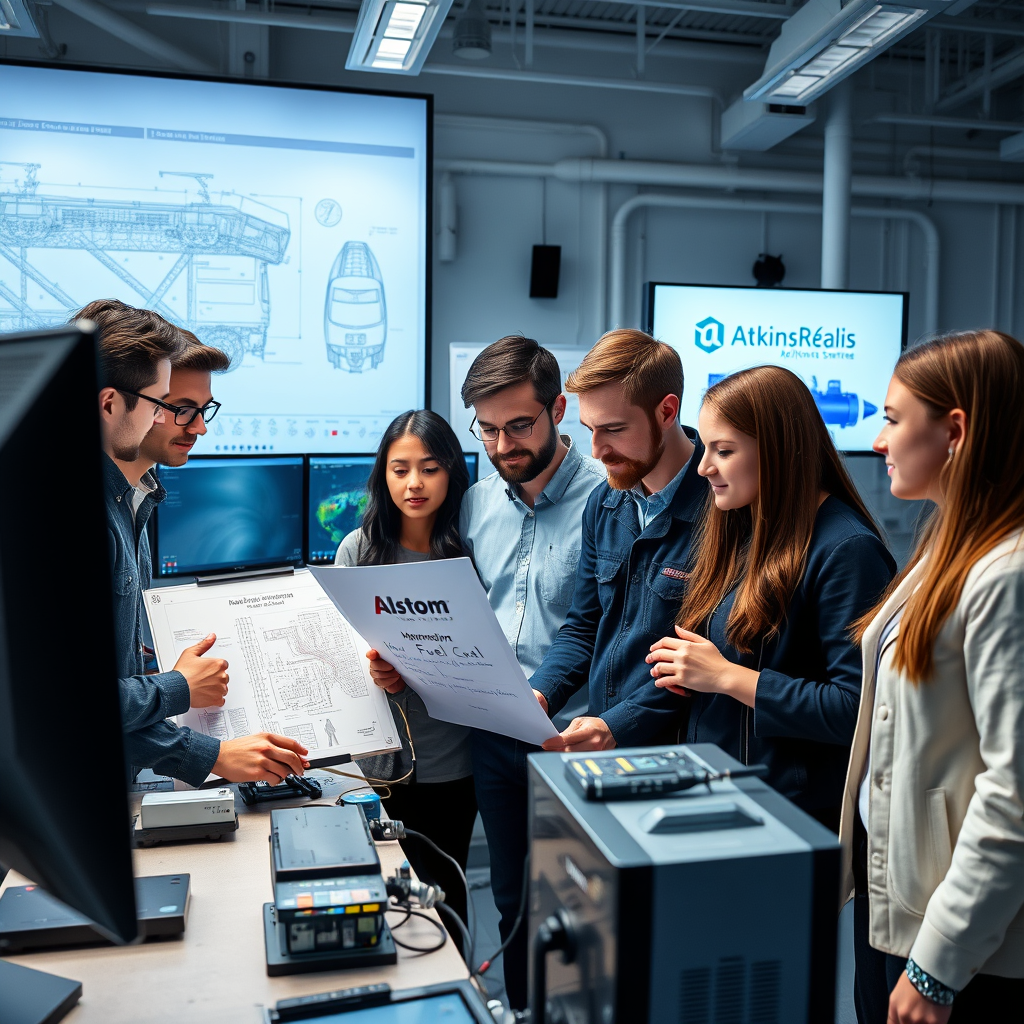
The Canadian railway and public transit sectors are on the cusp of a significant transformation, driven by the urgent need for decarbonization and the projected surge in infrastructure projects across North America. This necessitates a dramatic increase in the number of skilled engineers specializing in sustainable railway technologies. A recent report by the Ordre des Ingénieurs du Québec (OIQ) (Order of Engineers of Quebec) highlighted a projected 40% increase in engineering needs over the next decade, totaling 52,000 new engineers. This demand is particularly acute within electrical and chemical engineering, fueled by the transition to electric locomotives and the exploration of alternative fuels like hydrogen. To address this critical skills gap, a strategic partnership has been formed between Alstom, a leading rail manufacturer, AtkinsRéalis, a prominent engineering firm, and Polytechnique Montréal, a renowned engineering school. This collaboration focuses on developing a specialized training program designed to equip the next generation of engineers with the expertise required to drive the sustainable evolution of Canada’s rail industry. This article will delve into the specifics of this program, its importance in meeting the growing industry demands, and its broader implications for the future of green rail technology.
The Polytechnique Montréal Green Rail Engineering Program
The heart of this initiative lies in a new specialized training course offered at Polytechnique Montréal. This program goes beyond theoretical knowledge, providing students with invaluable hands-on experience under the guidance of seasoned railway sector experts from both Alstom and AtkinsRéalis. The curriculum will encompass key areas critical to sustainable rail development, including the design and implementation of electric locomotive systems, the integration of alternative fuel technologies like hydrogen, and the application of advanced control systems for optimized energy efficiency. Emphasis will be placed on practical application, allowing students to work on real-world projects and challenges faced by the industry. This immersive approach will equip graduates with the practical skills and knowledge needed to immediately contribute to the modernization and greening of the Canadian rail network.
Industry Collaboration and Knowledge Transfer
The success of this program hinges on the robust collaboration between academia and industry. Alstom’s extensive experience in designing and manufacturing sustainable rail solutions, coupled with AtkinsRéalis’ expertise in engineering and project management, will provide students with unparalleled access to real-world expertise. Beyond the classroom, the partnership includes industry conferences, direct support for student projects, and active participation in internship and graduate recruitment programs. This integrated approach fosters a seamless transition from education to employment, directly addressing the industry’s immediate needs while also nurturing future talent. This structured collaboration ensures the curriculum remains relevant and aligned with the evolving demands of the sector, creating a truly effective pipeline for skilled green rail engineers.
Addressing the Electrical and Chemical Engineering Shortages
The OIQ report specifically highlighted the critical shortage of electrical and chemical engineers needed to support the energy transition in the rail sector. The program directly addresses these shortages by focusing on the core competencies required for developing and deploying electric traction systems, hydrogen fuel cell technology, and advanced battery systems for rail applications. By equipping students with specialized skills in these high-demand areas, the program is instrumental in bridging the skills gap and accelerating the adoption of green rail technologies. Furthermore, the program’s emphasis on practical application through real-world projects allows for a faster integration of new technologies, enabling a swift response to the industry’s demands for innovation.
Conclusion: A Sustainable Future for Canadian Rail
The partnership between Alstom, AtkinsRéalis, and Polytechnique Montréal represents a significant step towards building a sustainable future for Canada’s rail industry. By proactively addressing the projected shortage of skilled engineers, this initiative ensures the successful implementation of green technologies and the modernization of the rail network. The program’s focus on hands-on experience, industry collaboration, and addressing specific skill gaps in electrical and chemical engineering, directly tackles the challenges identified by the OIQ report. The success of this collaboration will not only serve to meet the immediate demand for qualified personnel but also create a robust pipeline of future talent, ensuring the long-term sustainability and technological advancement of the Canadian rail system. The comprehensive approach of this program, combining theoretical learning with practical application and industry involvement, provides a model for other sectors seeking to navigate the complexities of sustainable development and address critical skills gaps. This initiative lays a strong foundation for a greener and more efficient Canadian rail infrastructure, supporting economic growth while minimizing environmental impact. This collaborative model demonstrates a crucial pathway for bridging the gap between academic training and the pressing needs of a rapidly evolving industry.
RELATED POSTS
February 28, 2025 12:54 am
This article examines the recent order by Montreux Oberland Bernois...

January 15, 2010 10:02 am
The UAE city of Dubai’s Rail Agency will receive nearly...

February 16, 2025 5:18 am
Modernizing Cross-Border Rail Connectivity in the Western Balkans: The North...

December 4, 2016 8:41 am
China's Exim Bank has expressed interest in financing the third...
November 14, 2025 11:54 am
Expert no comment.

January 16, 2017 6:07 am
Indonesia and Japan have agreed to an initial discussion for...