
Green Line Light Rail: Future-Proofing Urban Mobility
Optimize your rail network for tomorrow—the Green Line Light Rail Extension is key. Discover how technological advancements and environmental considerations are driving future-proof solutions.

Optimizing Rail Infrastructure for the Future: The Green Line Light Rail Extension
The relentless growth of urban populations necessitates enhanced transportation systems. Modernizing existing rail infrastructure and strategically developing new lines, like the proposed Green Line Light Rail Extension, is crucial for efficient and sustainable urban mobility. This article delves into the key considerations surrounding rail infrastructure upgrades, encompassing technological advancements, environmental sustainability, and economic viability. We will explore the multifaceted challenges and opportunities inherent in these projects, ultimately aiming to shed light on the importance of a proactive approach to ensuring a future-proof rail network.
Assessing Existing Infrastructure
A comprehensive assessment of the existing rail network is paramount before embarking on any expansion or modernization project. This involves a detailed analysis of the current capacity, ridership patterns, and operational efficiency. Critical factors include track gauge, signaling systems, rolling stock compatibility, and the overall condition of bridges, tunnels, and stations. Identifying bottlenecks and areas requiring immediate attention is crucial to optimizing the existing network for future growth. The process also necessitates considering the potential impact of projected population growth and the emergence of new economic hubs. Effective analysis of existing infrastructure data helps to develop realistic and impactful plans for improvement and expansion.
Technological Advancements in Rail Systems
Technological advancements play a pivotal role in enhancing the efficiency and sustainability of rail operations. Implementing advanced signaling systems, like CBTC (Communication-Based Train Control), significantly improves safety and reduces operational delays. Utilizing smart sensors for predictive maintenance optimizes track and infrastructure upkeep, minimizing downtime and maximizing the lifespan of assets. The integration of digital platforms can further enhance passenger experience through real-time information displays, online ticketing, and contactless payment options. These innovations translate into improved operational reliability, enhanced passenger experience, and substantial cost savings in the long run.
Environmental Sustainability and the Green Line Light Rail Extension
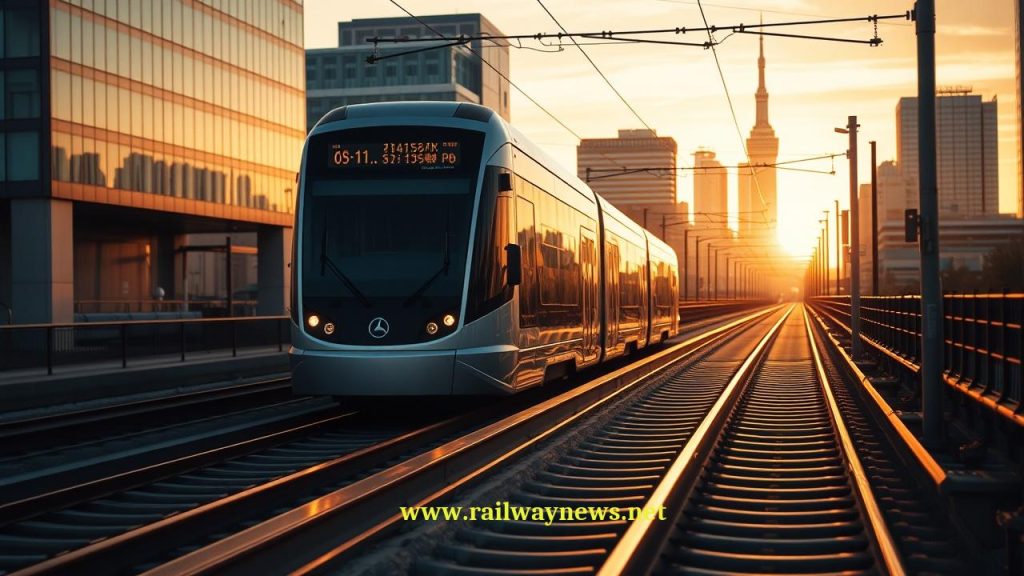
The Green Line Light Rail Extension presents a unique opportunity to incorporate environmentally conscious design principles. Implementing electric propulsion systems for the new trains is a crucial step towards minimizing carbon emissions. The selection of environmentally sound construction materials and sustainable practices throughout the project lifecycle further reinforces this commitment. This includes meticulously evaluating the impact on local ecosystems and implementing measures to mitigate environmental consequences during construction. Utilizing renewable energy sources for powering stations and infrastructure components is another integral aspect of sustainable infrastructure development. This approach not only reduces environmental impact but also demonstrates the long-term viability of the project.
Economic Viability and Public-Private Partnerships
The economic viability of a rail infrastructure project is a critical consideration. A thorough cost-benefit analysis is essential, evaluating not just the initial investment but also long-term operational costs and projected revenue streams. Public-private partnerships (PPPs) can play a significant role in funding and managing such projects, leveraging private sector expertise and capital while maintaining public oversight. Careful consideration of financing strategies and potential revenue streams, such as fare collections and potential commercial development around the stations, is also key to guaranteeing the financial sustainability of the project. This involves attracting both public and private investment, while ensuring transparency and accountability throughout the process.
Conclusions
The modernization and expansion of rail infrastructure are crucial for fostering economic growth and enhancing urban mobility. The proposed Green Line Light Rail Extension, with its emphasis on environmental sustainability and technological integration, represents a significant step forward. A comprehensive assessment of existing infrastructure, embracing technological advancements, and adopting environmentally conscious practices are vital components of a successful project. Ultimately, a sound understanding of economic viability, alongside diligent cost-benefit analysis, will ensure both the financial sustainability and long-term success of the extension. By prioritizing these key elements, urban areas can create a robust and efficient transportation network that not only meets the current demands but also serves as a blueprint for future sustainable development and growth. A meticulous approach, encompassing thorough assessment, careful planning, and judicious application of technology, is vital for achieving sustainable mobility solutions that meet the present and future needs of urban populations. The Green Line Light Rail Extension stands as a powerful example of a project that can both modernize existing infrastructure and pave the way for a more sustainable urban future.
You might be interested in:
Last March 2019, we published an article about Network Rail’s £42 billion rail upgrade. Click here to read – Network Rail’s £42B Rail Upgrade: A Blueprint for the Future
RELATED POSTS
Union Pacific earned an 80% top Class I railroad intermodal...
March 6, 2026 12:10 pm
Consortium Announces Digital Services Platform for UK Rail Sector A...
March 5, 2026 4:23 am
Renfe suspends Spain rail services on Madrid-Andalusia corridor until February...
March 6, 2026 4:07 pm
Digital Subscription Market Analysis Q1 2026 Analytics firm Antenna confirmed...
March 7, 2026 7:50 am
North American Rail Freight Volumes for Early February 2026 U.S....
March 4, 2026 2:06 pm
Alstom commissioned 76 Flexity LRVs and CBTC signaling for Toronto,...