
Grand Union Trains: New Route to Stirling
Introduction
This article explores the recent approval granted by the UK Office of Rail and Road (ORR) to Grand Union Trains for the operation of a new open-access passenger service between London Euston and Stirling, Scotland. This decision marks a significant development in the UK rail landscape, introducing increased competition on the heavily utilized West Coast Main Line (WCML). The approval, following a previous application stalled by the COVID-19 pandemic, promises enhanced passenger choice, expanded service coverage to previously underserved areas, and a potential catalyst for further open-access initiatives. We will examine the implications of this approval, considering operational challenges, the role of open-access operators in a nationalized railway system, and the potential for future growth in the sector. The analysis will encompass considerations of rolling stock, infrastructure limitations, and the broader strategic implications for rail passenger services in the UK.
Grand Union Trains and the West Coast Main Line
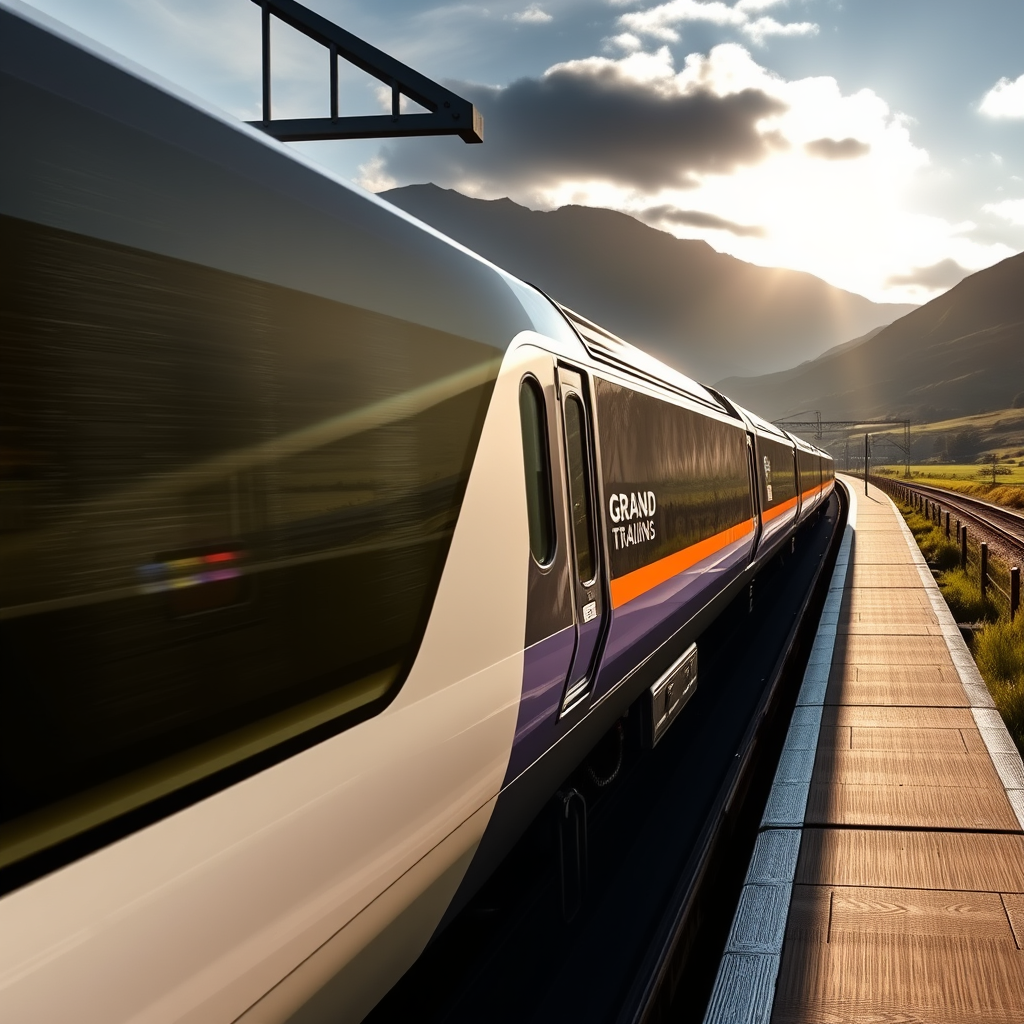
Grand Union Trains’ proposed service represents a significant expansion of passenger rail options on the WCML. The four daily return services between London Euston and Stirling will introduce direct connections from three Scottish stations – Larbert, Greenfaulds, and Whifflet – to London for the first time. This enhanced connectivity is crucial for regional economic development and improved accessibility for passengers in these areas. The choice of rolling stock, initially Class 221 or 222 trains (due to limitations in the WCML’s electrification), highlights the practical challenges faced by open-access operators in integrating with existing infrastructure. The use of dual-mode trains could mitigate these challenges in the longer term, providing flexibility to operate across electrified and non-electrified sections of the line. This initial reliance on existing, potentially older, rolling stock underscores the need for strategic investment in newer, more efficient electric trains for optimal operation on the WCML.
Open Access and Competition on the UK Rail Network
The ORR’s approval underscores the UK government’s policy of fostering competition within the railway sector. Open-access operators, unlike franchised operators who operate under contracts with Network Rail (the infrastructure manager), secure their own train paths and operate independently. This model introduces competition, potentially leading to lower fares, improved service quality, and increased innovation. However, the success of open-access models depends on efficient coordination with the existing network infrastructure and the willingness of Network Rail to accommodate competing services. The approval granted to Grand Union Trains demonstrates a commitment to this competitive model, although the challenges associated with infrastructure capacity and operational coordination must be carefully addressed to prevent potential bottlenecks and delays.
Operational Challenges and Strategic Considerations
Grand Union Trains’ plan to commence operations with off-lease Class 221 or 222 trains highlights the challenges in acquiring suitable rolling stock and adapting to the WCML’s infrastructure limitations. While this approach offers a cost-effective start, it might not provide the long-term operational efficiency and passenger comfort that newer, purpose-built trains would offer. The operator’s long-term strategy needs to include plans for upgrading rolling stock and addressing the limitations imposed by gaps in WCML electrification. Successful operation also hinges upon effective partnerships with Network Rail, including secure access to train paths and maintenance facilities. This operational integration is critical for the viability and sustainability of the service in the long run.
Conclusions
The ORR’s approval of Grand Union Trains’ service between London Euston and Stirling marks a significant step towards increased competition and passenger choice on the UK’s railway network. The introduction of a new open-access operator on the busy West Coast Main Line presents both opportunities and challenges. While the decision brings increased connectivity to previously underserved areas of Scotland and offers passengers more options, the operational realities of integrating with existing infrastructure and securing appropriate rolling stock cannot be overlooked. The initial reliance on off-lease trains highlights the need for investment in modern, efficient, and possibly dual-mode rolling stock to optimize operations on the WCML’s diverse infrastructure. Successful implementation depends heavily on effective collaboration between Grand Union Trains and Network Rail to ensure seamless integration and avoid potential operational bottlenecks. The long-term success of this venture and its influence on future open-access initiatives will be dependent on factors including effective management of rolling stock, efficient path allocation on the WCML, and successful engagement with both passengers and stakeholders. The monitoring of passenger demand, fare structures, and operational performance will be vital in assessing the overall impact of this initiative on the UK rail system. The experience gained from this project will provide valuable insight into the challenges and opportunities presented by open-access operations within a predominantly nationalized rail network, potentially influencing future policy and investment decisions.
RELATED POSTS

August 15, 2022 6:03 am
Knorr-Bremse’s H1 2022 Performance: A Deep Dive into Rail Vehicle...
July 16, 2025 5:33 am
Northwest Washington railway infrastructure gets crucial federal funding boost, improving...
April 22, 2021 10:25 pm
The construction of High-Speed 2 (HS2), a high-speed rail network...
March 9, 2018 12:46 am
Germany's investing €12 million in hydrogen fuel cell technology for...
January 22, 2026 1:39 pm
Porterbrook acquires a 404-vehicle fleet, including Class 730 EMUs, from...
July 14, 2025 6:33 pm
PLK secures €328M EU funding for Polish rail infrastructure upgrades,...