
GP34ECO Locomotive: A Green Revolution in Rail

This article explores the advancements in railway locomotive technology aimed at improving environmental sustainability, specifically focusing on the collaboration between Progress Rail and Norfolk Southern Corporation (NSC) in developing the EMD GP34ECO locomotive. The introduction of this new locomotive represents a significant step forward in reducing harmful emissions from railway operations, a critical concern in the modern railway industry. This analysis will delve into the technological innovations incorporated into the GP34ECO, its environmental impact, the collaborative efforts involved in its development, and the broader implications for the future of sustainable railway operations. We will examine the technical specifications, the emission reduction capabilities, the benefits of collaboration between manufacturers and railway operators, and the potential for future advancements in eco-friendly railway technology. The long-term implications for the industry in terms of compliance with environmental regulations, operational efficiency, and the overall sustainability of railway transportation will also be explored. The ongoing shift towards more sustainable practices in the rail sector will be highlighted, focusing on the balance between environmental responsibility and operational effectiveness.
The EMD GP34ECO Locomotive: A Technological Leap
The EMD GP34ECO locomotive, a product of the partnership between Progress Rail and NSC, represents a significant advancement in environmentally friendly railway technology. At the heart of this locomotive is a 3,000 horsepower 12-710 EMD engine, equipped with a state-of-the-art diesel exhaust fluid (DEF) / selective catalytic reduction (SCR) aftertreatment system. This system is designed to drastically reduce nitrogen oxide (NOx) emissions, achieving a projected 90% reduction compared to older models. This significant reduction is crucial for meeting increasingly stringent environmental regulations such as the US Environmental Protection Agency (EPA) Tier 4 emissions standards. Beyond emission control, the GP34ECO also incorporates improvements in fuel efficiency, contributing to lower operating costs and a smaller carbon footprint.
Collaboration and Innovation: A Shared Commitment to Sustainability
The development of the GP34ECO is a testament to the power of collaboration within the railway industry. Progress Rail, a subsidiary of Caterpillar, brought its expertise in locomotive design and manufacturing, while NSC contributed its operational experience and insights. The final assembly, engine installation, and SCR system integration were executed at NSC’s Juniata Locomotive Shop, highlighting the synergistic approach that was taken. This collaborative effort extends beyond the design and assembly phase. Both companies are working together to ensure the locomotive successfully meets the required emissions certification, a vital step in the deployment process. The collaborative model established for the GP34ECO sets a precedent for future projects focusing on sustainability and innovation in the railway sector.
Beyond Emissions: Enhanced Safety and Operational Efficiency
The GP34ECO’s advancements extend beyond environmental improvements. The locomotive boasts a new crashworthy cab, designed to enhance the safety of the operating crew. Furthermore, upgrades to the locomotive’s electronics contribute to improved operational efficiency. These improvements, combined with the fuel efficiency gains, contribute to a more cost-effective and reliable operation, offering a compelling case for wider adoption within the industry. These features illustrate that sustainable practices aren’t solely about emissions reduction; they encompass a holistic approach encompassing safety and operational excellence.
The Future of Sustainable Railway Operations
The successful development and deployment of the EMD GP34ECO signal a significant shift towards a more sustainable future for the railway industry. Progress Rail’s commitment to developing further “ECO” programs emphasizes the ongoing efforts to reduce the environmental impact of railway operations. The partnership between Progress Rail and NSC serves as a model for other collaborations, demonstrating the potential for joint ventures to drive innovation and promote sustainable practices. The GP34ECO represents not just a single locomotive but a platform for future technological advancements, contributing to a cleaner, more efficient, and environmentally responsible railway system globally.
Conclusions
The development of the EMD GP34ECO locomotive by Progress Rail and Norfolk Southern Corporation (NSC) marks a pivotal moment in the railway industry’s journey towards environmental sustainability. The locomotive’s innovative design, incorporating a 3,000 horsepower 12-710 EMD engine with a DEF/SCR aftertreatment system, promises a remarkable 90% reduction in NOx emissions compared to older models. This significant reduction is crucial in meeting stringent environmental regulations like the EPA Tier 4 emissions standards. The successful collaboration between Progress Rail and NSC underscores the benefits of a collaborative approach in achieving ambitious sustainability goals within the rail sector. The joint effort, from design and assembly at NSC’s Juniata Locomotive Shop to ongoing field testing, exemplifies a synergistic approach to problem-solving and innovation.
Beyond emissions reduction, the GP34ECO integrates improvements in fuel efficiency and incorporates a new crashworthy cab, enhancing operational efficiency and crew safety. These improvements contribute to a more cost-effective and reliable operation, making a compelling case for wider adoption across the industry. The long-term implications of this project are far-reaching. The project not only contributes to environmental responsibility but sets a new benchmark for sustainable practices in the railway industry. The success of the GP34ECO and Progress Rail’s commitment to future “ECO” programs signify a broader industry trend towards cleaner, more efficient, and environmentally responsible operations. The collaborative model demonstrated by Progress Rail and NSC can serve as a template for future partnerships focused on sustainable railway technology, ultimately shaping a greener future for rail transportation globally.
RELATED POSTS
September 18, 2023 11:26 am
Introduction This article analyzes the recent six-month trial implemented by...
July 11, 2020 8:31 pm
Introduction The Indian Ministry of Railways (MoR) has undertaken a...
September 6, 2025 7:49 am
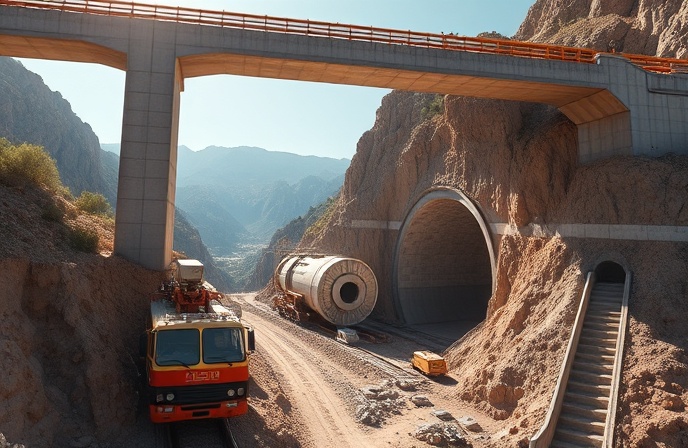
EUR 1.6B contract awarded for Paola-Cosenza high-speed rail section, boosting...
April 16, 2021 10:07 am
This article examines the acquisition of Perpetuum, a UK-based rail...
October 23, 2025 11:54 am
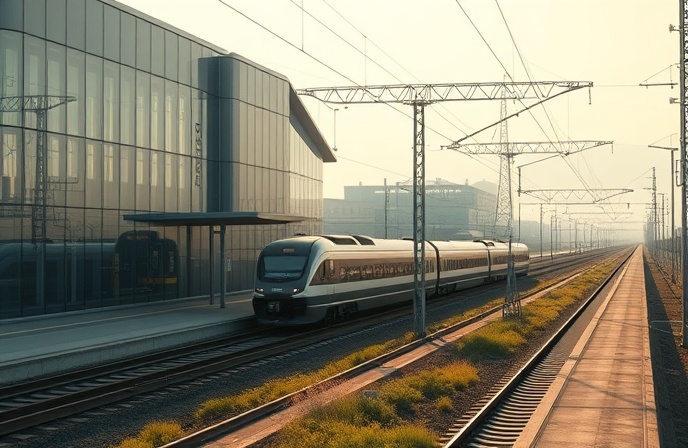
Northrail expands! The launch of Northrail Polska in Warsaw solidifies...

February 25, 2017 5:00 am
TX Logistik AG (TXL) is modernising its locomotive fleet. To...