
Global Rail Innovations: Electrification & Bombardier’s China Push
The global railway industry is transforming with electrification, innovative rolling stock, and market growth. Discover how these trends are shaping the future of rail!

The Global Railway Landscape: A Look at Technological Advancements and Market Trends
The global railway industry is experiencing a period of significant transformation, driven by technological innovation and evolving market demands. This article delves into the key factors shaping the future of rail transport, focusing on technological advancements, competitive pressures, and emerging market opportunities. From the electrification of existing lines to the development of innovative rolling stock and sophisticated signaling systems, the railway sector is undergoing a renaissance. This analysis will explore the implications of these changes, including the potential for increased efficiency, enhanced passenger experience, and reduced environmental impact. Understanding these developments is crucial for investors, operators, and policymakers alike as they navigate the complexities of this dynamic industry.
The Rise of Electrification and Sustainable Practices
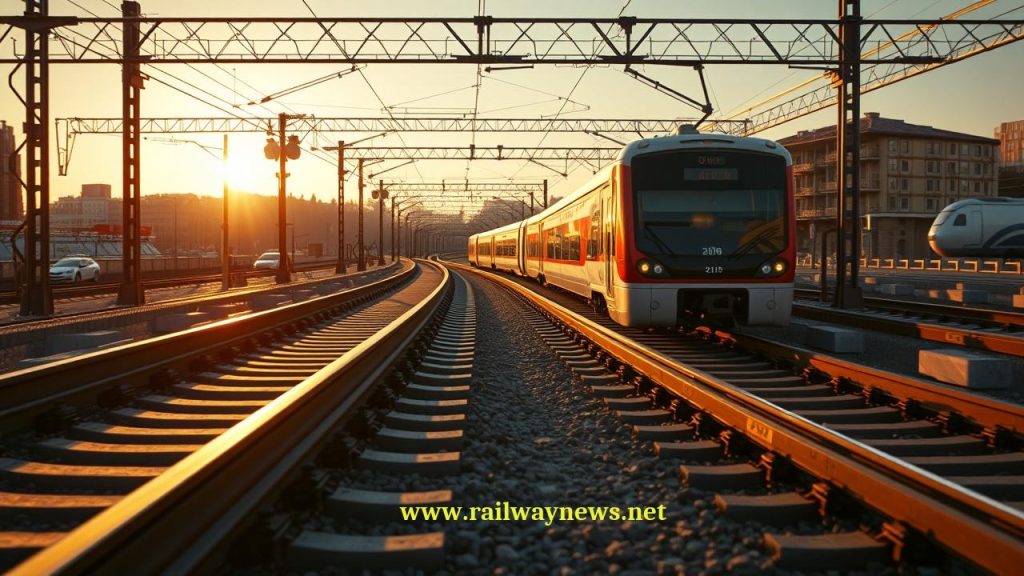
Electrification of railway networks is no longer a futuristic concept but a critical component of achieving sustainable and efficient rail transport. The switch from diesel to electric locomotives offers significant environmental benefits, reducing carbon emissions and improving air quality. This transition necessitates substantial investment in infrastructure upgrades, including the construction of dedicated electrical substations and overhead power lines. Furthermore, advancements in battery technology are paving the way for hybrid and fully electric trainsets, opening up new possibilities for decarbonization across the entire rail system. Optimized energy management systems play a crucial role in maximizing the efficiency of these new technologies and minimizing operational costs for railway operators.
Innovative Rolling Stock: Pushing the Boundaries of Train Design
Modern railway design is increasingly focused on enhancing passenger experience and operational efficiency. This includes the implementation of advanced technologies like automatic train control (ATC), which improves safety and reduces response time. The integration of real-time data feeds and onboard communication systems enables improved passenger information and comfort. Moreover, the development of lightweight, high-strength materials is improving fuel efficiency and increasing the carrying capacity of train carriages, while advanced design principles offer significant improvements in the comfort and aesthetics of the passenger experience. The use of advanced materials, such as carbon fiber composites and high-strength alloys, is not only improving fuel efficiency but also reducing maintenance costs over the long term.
Market Dynamics and Global Trends in Rail Infrastructure
The global railway market is a complex interplay of regional growth patterns, government policies, and evolving consumer preferences. Countries with burgeoning economies are actively investing in rail infrastructure development, creating lucrative opportunities for railway equipment manufacturers and construction firms. However, existing railway networks in established markets face competitive pressures, necessitating modernization initiatives and operational cost reductions. The strategic alliances and mergers among railway companies reflect a need to address these challenges through economies of scale and resource optimization. Successfully navigating this competitive landscape requires a keen understanding of both local and global market dynamics.
Conclusions: Shaping the Future of Rail Transport
The global railway industry is at a pivotal juncture, driven by a confluence of technological advancements, sustainable practices, and evolving market demands. The integration of electrification, the development of innovative rolling stock, and the modernization of existing rail infrastructure are reshaping the landscape of rail travel. Strategic investments in electrification, innovative train designs, and robust signalling systems are key to improving safety, reducing operational costs, and enhancing the passenger experience. This trend aligns perfectly with the growing global emphasis on environmental sustainability and infrastructure modernization. Successful companies will be those that adapt to the evolving technological and market demands by prioritising sustainable practices, cutting-edge technology, and proactive infrastructure upgrades. The future of rail transport hinges on these developments, and their implications extend far beyond the industry itself, impacting urban planning, regional economies, and global transportation networks. The increasing demand for efficient and sustainable transportation is accelerating the growth of the global rail infrastructure market, creating significant opportunities for companies focused on innovation and long-term investment. Further, the development of specialized high-speed rail lines and advanced signalling systems is driving the need for experienced professionals and experts to develop and maintain these vital transportation networks. Furthermore, the integration of new technologies, such as advanced sensors and real-time data analytics, is vital for maintaining operational efficiency and maximizing the utility of railway networks.
The integration of advanced technologies, like AI-driven predictive maintenance and real-time traffic management systems, is significantly reducing the overall operational costs and improving the overall efficiency of railway systems worldwide. The successful adoption of these technologies requires a substantial commitment to workforce training and education. Furthermore, collaborations between private sector companies and government agencies are essential for fostering innovation and driving the growth of the rail infrastructure market.
Bombardier metro contracts China represent a significant development in the global rail sector. This demonstrates the growing demand for modern and efficient metro systems in rapidly expanding urban centers, while also signaling a crucial partnership between a prominent global railway company and a leading economic power. These contracts reflect a trend towards significant investments in rail infrastructure across the globe.
You might be interested in:
Last December 2018, we published an article about the vegan food revolution on UK trains. Click here to read – Vegan Food on UK Trains: A Revolutionary Success
RELATED POSTS
March 5, 2026 7:57 pm
Banedanmark launched battery train operations on Denmark's 67 km Skjern–Holstebro...
March 4, 2026 2:06 pm
Alstom commissioned 76 Flexity LRVs and CBTC signaling for Toronto,...
March 4, 2026 11:37 pm
ÖBB expands its Upper Austria workforce by 625 for 2026,...
Ukraliznytsia launched its first dual-gauge semi-trailer intermodal service, linking Ukraine's...
March 9, 2026 5:45 pm
ÖBB and Wiener Linien launch Vienna S-Bahn 13 km main...
March 3, 2026 11:42 am
UK's Network Rail awards Mercury3 Consult the GWML O&M contract...