
Global Freight Rail Optimization: Sustainable Infrastructure & Tech Trends
Boost freight rail efficiency and sustainability! Optimize your network with innovative infrastructure and tech. Discover how!

Optimizing Freight Rail Networks for Enhanced Efficiency and Sustainability
The global freight rail network plays a crucial role in the movement of goods, connecting manufacturing centers with consumption hubs. This intricate system, however, faces persistent challenges related to efficiency, capacity constraints, and environmental impact. This article delves into strategies for optimizing freight rail networks, exploring innovative technologies, improved infrastructure, and sustainable practices to enhance both operational efficiency and environmental responsibility. From optimizing scheduling and routing to integrating advanced technologies, the focus will be on maximizing the potential of freight rail transport to meet the demands of a growing global economy while mitigating its environmental footprint. Understanding the critical factors driving these improvements and the interconnected nature of different components is paramount to developing a holistic approach to freight rail optimization. The ultimate goal is to create a more sustainable, efficient, and resilient freight rail system.
Infrastructure Upgrades for Enhanced Capacity and Efficiency
Modernizing existing infrastructure is critical to increasing the capacity and efficiency of freight rail networks. This includes upgrading track conditions, improving signaling systems, and implementing advanced technologies such as dynamic speed adjustment systems based on track conditions and traffic density. Dedicated freight corridors, where passenger and freight traffic are separated, can also greatly enhance the speed and reliability of freight rail operations. Investment in advanced infrastructure, incorporating technologies like wireless communication and sensors for real-time tracking, enhances operational visibility and enables more dynamic resource allocation. Enhanced safety features, encompassing more robust interlocking systems and improved train-to-track communication, further minimize accidents, leading to greater reliability and enhanced efficiency.
Technological Advancements for Precision and Optimization
The integration of cutting-edge technologies is instrumental in achieving more precise and optimized freight rail operations. Advanced dispatching systems, incorporating real-time data on traffic flow, weather conditions, and equipment maintenance, allow for dynamic scheduling and resource allocation, minimizing delays and maximizing throughput. Employing sophisticated analytical tools to predict potential disruptions and implement preventive measures, such as preemptive maintenance scheduling based on sensor data, is another crucial aspect. Utilizing data analytics for route optimization, considering factors like terrain, traffic congestion, and weather patterns, will lead to improved delivery times and reduced operating costs. By implementing technologies like intelligent train control systems, precise and reliable scheduling is made possible. This also contributes to reduced emissions and improved fuel efficiency.
Sustainable Practices and Environmental Considerations
The freight rail industry has a considerable carbon footprint. Implementing sustainable practices is vital for mitigating its impact on the environment. One major approach involves optimizing train configurations to increase payload capacity, reducing the number of required freight railcars. These strategies minimize the overall number of trips and ultimately reduce fuel consumption, enabling the industry to adopt more eco-friendly practices. Research into alternative fuels, such as biofuels and hydrogen, presents a promising path to reducing the carbon footprint of freight rail. This involves exploring the potential for incorporating hybrid and fully electric freight railcars to drastically reduce reliance on fossil fuels. Encouraging the development of electric locomotives and the use of regenerative braking to capture energy during braking and recharge batteries can also significantly reduce operational costs and enhance environmental performance.
You might be interested in:
Last January 2019, we published an article about India’s ambitious rail expansion plans. Click here to read – India’s Rail Revolution: A Global Powerhouse by 2050
Conclusion: Shaping the Future of Freight Rail
Optimizing freight rail networks necessitates a multi-faceted approach encompassing infrastructure upgrades, technological advancements, and the adoption of sustainable practices. By strategically investing in better track conditions, implementing advanced signaling and communication systems, and integrating intelligent dispatching systems, the industry can improve efficiency and reduce delays. This will ultimately enhance the reliability and speed of freight rail services. Furthermore, integrating sophisticated data analytics and leveraging the power of predictive modeling can facilitate proactive resource allocation, optimized route planning, and proactive preventative maintenance, which in turn minimizes disruption and reduces operating costs. Adopting sustainable practices, such as optimizing freight railcar configurations for increased payload capacity, and researching and implementing alternative fuels, will reduce the industry’s carbon footprint and align freight rail with environmental targets. Integrating electric locomotives, regenerative braking, and the use of alternative fuels, alongside the implementation of intelligent train control systems, are significant steps towards establishing a more sustainable and robust freight rail system. Ultimately, by embracing these improvements, the freight rail industry can maintain its crucial role in global commerce while promoting a more responsible and resilient transportation network. The benefits extend to lower operational costs, enhanced efficiency, increased safety, and a smaller environmental impact. These factors position freight railcars for continued success and sustainability in the future of global logistics.
RELATED POSTS
April 8, 2011 3:52 am
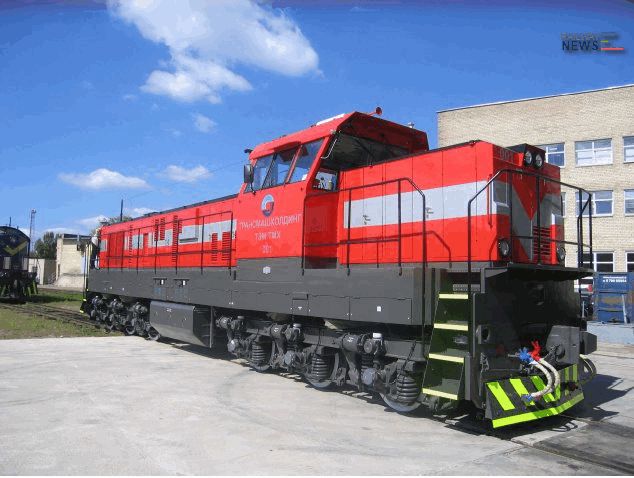
New shunting locomotive with a hood-type body TEM-TMH has successfully...

February 14, 2017 6:06 pm
Alstom and The CoSMo Company, a global technology company...
March 13, 2023 11:06 am
The Rise of Indigenous High-Speed Rail in India: A Focus...
May 28, 2025 9:01 pm
Switzerland, October 26, 2024 – Swiss Federal Railways (SBB) is...
October 13, 2020 6:03 pm
The Resilient Rail Industry: Navigating Pandemic and Pursuing Growth The...
October 17, 2018 7:41 pm
Revolutionize rail safety with Ardenna's AI-powered UAV track inspection system....