
GE’s Evolution Series: Revolutionizing CN Rail
CN’s new GE Evolution Series locomotives boost efficiency and sustainability. Discover how advanced technology like GoLINC and Trip Optimizer revolutionize rail operations!
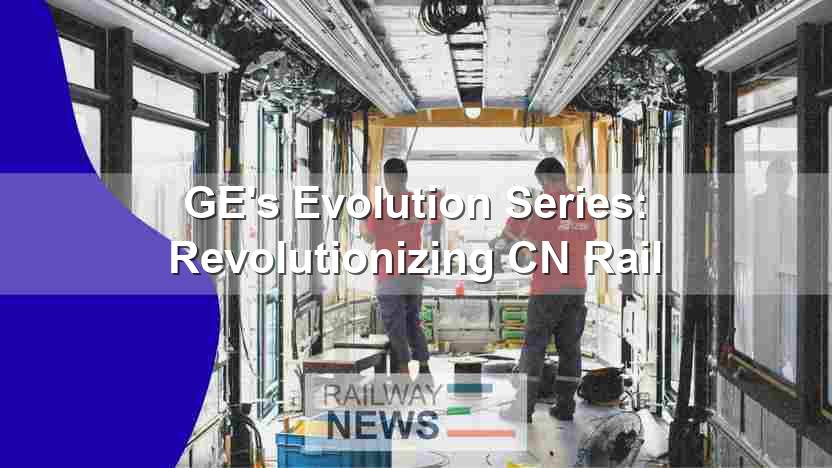
This article explores the significant impact of General Electric (GE) Transportation’s delivery of 200 Evolution Series locomotives to Canadian National Railway (CN). The agreement, finalized in December 2017, represents a substantial investment in modernizing CN’s fleet and enhancing its operational capabilities. This modernization is crucial for CN, given its role in transporting over $250 billion worth of cargo annually across its extensive 19,600-mile North American network. The introduction of these advanced locomotives signifies not only an upgrade in technology but also a strategic commitment to improved efficiency, reduced environmental impact, and enhanced capacity to meet the growing demands of the North American freight market. We will explore the technological advancements incorporated into these locomotives, their economic implications for CN, and the broader impact on the North American rail freight industry.
Technological Advancements of the Evolution Series
The Evolution Series locomotives represent a significant leap forward in railway technology. Each unit is equipped with GE Transportation’s GoLINC Platform (Global Locomotive Information Network), a sophisticated digital system providing real-time data on locomotive performance. This data allows for proactive maintenance, minimizing downtime and maximizing operational efficiency. The integrated Trip Optimizer System further enhances efficiency by optimizing train speed and power based on factors such as track gradient, load, and weather conditions, leading to significant fuel savings and reduced emissions. Additionally, the Distributed Power LOCOTROL eXpanded Architecture (a digital control system for distributed power locomotives) optimizes power distribution and handling across multiple locomotives in a consist (a group of locomotives coupled together), improving traction and reducing wear and tear on individual units. These technological advancements collectively contribute to enhanced reliability, reduced operational costs, and improved overall performance.
Economic Benefits for Canadian National Railway
The investment in the Evolution Series locomotives translates to substantial economic benefits for CN. The improved fuel efficiency, resulting from the Trip Optimizer System and optimized power distribution, leads to significant cost savings on fuel consumption. Reduced downtime due to the predictive maintenance capabilities of the GoLINC Platform minimizes operational disruptions and maximizes the utilization of the locomotive fleet. Moreover, the enhanced capacity and reliability of the new locomotives allow CN to handle increased freight volumes more efficiently, leading to increased revenue and improved competitiveness in the North American freight market. These locomotives are key to CN’s ability to continue servicing its extensive network and meeting future demand. The increased efficiency also directly translates to improved customer service through faster and more reliable deliveries.
Environmental Considerations
The Evolution Series locomotives also contribute positively to environmental sustainability. The improved fuel efficiency directly reduces greenhouse gas emissions, aligning with CN’s commitment to environmentally responsible operations. Additionally, the proactive maintenance facilitated by the GoLINC Platform can minimize the potential for mechanical failures that could lead to emissions from idling locomotives or derailments. The integration of cutting-edge technology thus promotes a more environmentally friendly mode of freight transportation compared to other long-haul options like trucking. The investment in these locomotives clearly demonstrates CN’s commitment to sustainable practices within the railway industry.
Training and Maintenance
The agreement between GE and CN extends beyond the delivery of locomotives. It includes a detailed training package for CN personnel to ensure proper operation and maintenance of these advanced units. This investment in human capital is crucial for maximizing the return on investment in the new locomotives. The inclusion of reliability, fuel consumption, and out-of-service interval guarantees further underscores GE’s commitment to the long-term success of the partnership. This commitment to training and ongoing support minimizes risks and ensures that CN can effectively utilize the capabilities of these advanced machines for years to come.
Conclusion
The delivery of the first of 200 GE Evolution Series locomotives to Canadian National Railway marks a significant milestone in the modernization of North American rail freight. This investment represents a strategic commitment by CN to improve operational efficiency, enhance environmental sustainability, and meet the growing demands of the North American freight market. The advanced technology incorporated into these locomotives, including the GoLINC Platform, Trip Optimizer System, and Distributed Power LOCOTROL eXpanded Architecture, offers substantial benefits in terms of fuel efficiency, reduced emissions, and minimized downtime. The detailed training program and performance guarantees further solidify the long-term value of this partnership. The success of this initiative not only benefits CN but also positively impacts the broader North American rail freight industry, setting a new benchmark for technological advancement and operational excellence in the sector. The integration of digital technologies into railway operations, as demonstrated by this deployment, will likely become increasingly crucial for meeting future industry challenges and maintaining a competitive edge in the globalized freight transportation market. The economic and environmental benefits of this modernization underscore the importance of ongoing innovation and investment in the rail industry for both efficiency and sustainability.

Railway infrastructure, rolling stock and transport technologies specialist focused on global rail industry developments, high-speed rail systems, signaling technologies and freight transportation. Covering railway investments, public transport modernization, rail operations and international mobility projects across Europe, Asia and North America.
RELATED POSTS

September 6, 2026 5:19 am
Hitachi delivered Taiwan's first N700ST high-speed train from Japan in...

September 5, 2026 4:19 pm
CPK launched formal tender talks with four consortia to design...

September 6, 2026 6:17 am
Hungary ordered a national ban on most freight trains from...
September 6, 2026 8:17 am
DB InfraGO reopened the Nuremberg-Regensburg line in Bavaria on 31...

September 6, 2026 1:17 am
Hitachi Toshiba Supreme Consortium confirmed the first of 12 N700ST...
September 5, 2026 6:17 pm
Universal Signalling won a deal to install its U-Cross system...