
GCRE: Revolutionizing UK Rail Through Innovation
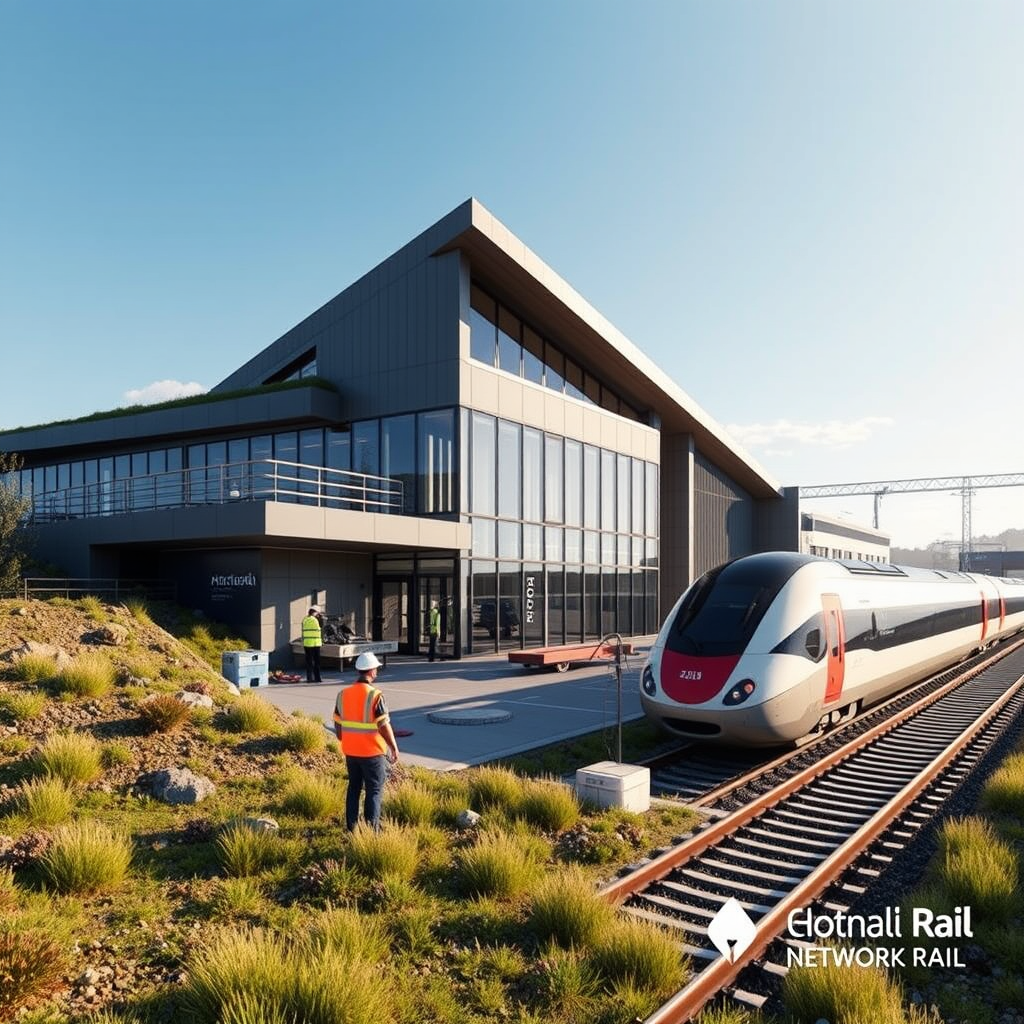
The Global Centre for Rail Excellence (GCRE), a railway training and testing facility in South Wales, is poised to significantly impact the UK’s railway industry. This article examines the GCRE’s development, its strategic partnerships, particularly its newly signed agreement with Network Rail, the challenges it faces securing private investment, and its broader contribution to sustainable and innovative rail technologies. The GCRE’s success hinges on its ability to attract further investment and effectively leverage its collaborations to deliver on its ambitious goals for advancements in rail infrastructure, operations, and environmental sustainability. The project’s significance extends beyond its immediate regional impact, holding the potential to reshape the UK’s railway sector through cutting-edge research, skills development, and the adoption of sustainable practices. Its location, on a repurposed open-cast mine site near Swansea, further underscores its commitment to environmental responsibility and the regeneration of previously industrialized areas. The intricate interplay between public funding, private investment, and strategic partnerships forms the crux of the project’s trajectory towards achieving its full potential.
Securing Strategic Partnerships for Success
The GCRE’s recent agreement with Network Rail (the UK’s nationwide railway infrastructure manager) marks a crucial milestone. This multi-million-pound deal provides the Centre with a high-profile client, bolstering its commercial viability and demonstrating the strength of its business model. This partnership is particularly significant because Network Rail’s published business plan emphasizes the urgent need for advancements in sustainable and resilient rail infrastructure, aligning perfectly with the GCRE’s research and development focus. The collaboration promises to accelerate innovation in areas crucial to the future of the UK rail network, including developing more sustainable practices and creating more resilient infrastructure to cope with the challenges of climate change. Other significant partnerships include that with Hitachi Rail, focusing on rolling stock, digital solutions, and battery technology.
Navigating the Funding Landscape
Despite substantial government funding (approximately $80 million from the UK and Welsh governments), the GCRE still requires significant private investment—approximately $510 million—to fully realize its potential. The project’s management has attributed the delay in securing this funding to a challenging investment environment. However, factors like the potential lowering of Bank of England interest rates and the recently signed agreements with key players like Network Rail are anticipated to alleviate these challenges and attract private investors. The successful securing of private investment is paramount to enabling the commencement of full-scale construction and the realization of the GCRE’s operational capacity.
Technological Innovation and Environmental Sustainability
The GCRE’s mission extends beyond simply providing training and testing facilities. The Centre is actively involved in pushing boundaries in sustainable railway technology. This includes research and development in areas such as electric locomotives and centralized train control systems, which promise significant improvements in both environmental performance and operational efficiency. The center aims to become a carbon-neutral facility, aligning with the wider railway industry’s drive towards Net Zero emissions. The integration of Long Range Wide Area Network (LoRaWAN) technology, facilitated by collaborations with local authorities like Neath Port Talbot Council, demonstrates the Centre’s commitment to utilizing advanced digital solutions for improved connectivity and operational efficiency, furthering its commitment to a sustainable and technologically advanced railway system.
Regional Economic Impact and Collaboration
The GCRE project extends its benefits beyond the railway industry, fostering economic growth within the region. The repurposing of the former Nant Helen mine site contributes to the revitalization of the area. Furthermore, collaborations with local authorities, like Powys and Neath Port Talbot Councils, showcase a commitment to regional development. The project’s inclusion within Neath Port Talbot Council’s Swansea Bay City Region Digital Innovation Network highlights its contribution to strengthening the region’s digital infrastructure, creating further opportunities for technological advancement and economic development.
Conclusion
The Global Centre for Rail Excellence (GCRE) represents a significant investment in the future of the UK railway system. Its focus on innovation, sustainability, and collaboration positions it as a key driver of progress within the industry. The strategic partnership with Network Rail is a major step forward, solidifying the GCRE’s commercial viability and demonstrating the market demand for its expertise. However, the success of the GCRE hinges on overcoming the challenges of securing the necessary private investment to complete construction. The potential lowering of interest rates and the positive impact of its growing partnerships offer promising prospects. Beyond financial considerations, the GCRE’s contribution to the advancement of sustainable rail technologies and its positive impact on the regional economy are invaluable. The project’s long-term success depends on continued collaboration between public and private sectors, and a sustained commitment to innovation and sustainable practices. If successful, the GCRE will not only serve as a leading center for rail innovation but will also contribute significantly to the UK’s journey towards a greener and more efficient railway network, showcasing a model for sustainable development and economic growth in previously industrialized regions. The combination of public and private investment, technological innovation, and strong regional partnerships positions the GCRE for a significant and lasting impact on the UK railway industry and beyond.
RELATED POSTS

December 28, 2018 1:12 am
British Steel secures a massive RFI contract, supplying 86,000 tonnes...
April 22, 2017 10:52 am
Here's a short, compelling voiceover-friendly excerpt:"Victoria's rail freight operations are...
October 14, 2022 8:38 am
The global railway industry is undergoing a significant transformation driven...
August 11, 2020 1:25 am
This article delves into the intricacies of the Johor Bahru-Woodlands...
November 8, 2025 6:54 am
Alstom's Crewe Works unveils a new HVAC overhaul facility, boosting...

CTA unveils three 2026 budget proposals, hinging on Illinois funding....