
Future of Railway Locomotives: Electrification, Automation & Sustainability
The future of railway locomotives is electric, automated, and eco-friendly. Discover how electrification, automation, and sustainability are transforming the industry!

The Future of Railway Locomotives: A Deep Dive
The railway industry is undergoing a significant transformation, driven by technological advancements and evolving passenger expectations. This article delves into the key factors shaping the future of railway locomotives, exploring the challenges and opportunities presented by electrification, automation, and the increasing demand for greener, more efficient solutions. From the intricate design considerations of high-speed rail to the ongoing refinements in diesel-electric technology, we examine how innovative engineering is propelling progress in this vital sector. This analysis also considers the economic implications of these advancements, highlighting their impact on infrastructure investments, operational costs, and overall sustainability. Ultimately, the discussion underscores the profound role of railway locomotives in shaping the mobility landscape of the 21st century.
The Electrification Revolution
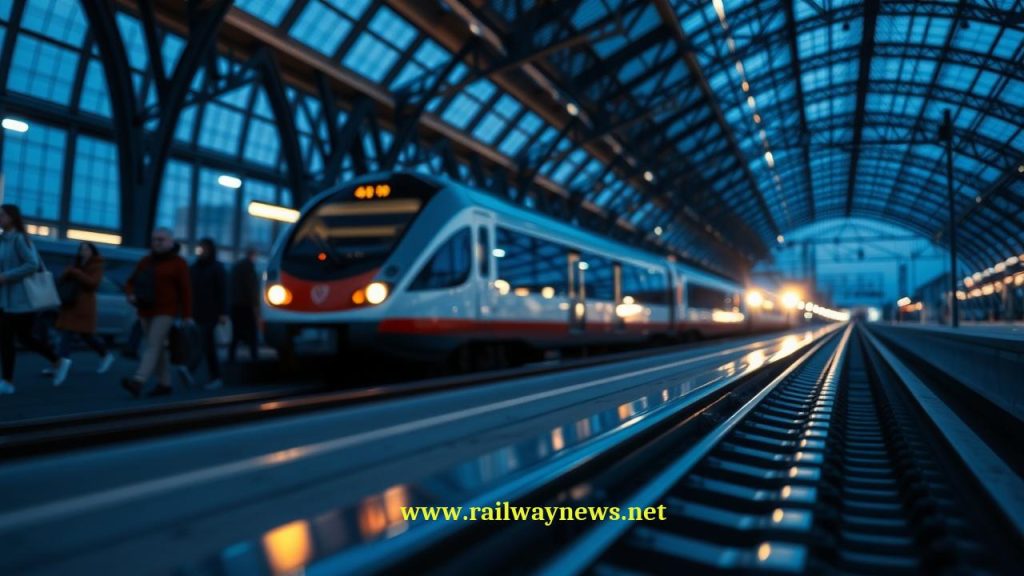
Electrification is rapidly becoming a cornerstone of modern railway systems. This shift is driven by several compelling factors, including reduced emissions, improved energy efficiency, and greater operational flexibility. Electric locomotives are significantly quieter in operation, resulting in a much more pleasant passenger experience and reduced noise pollution in communities alongside rail lines. The integration of advanced power electronics allows for precise control of traction, enabling higher speeds and improved acceleration. However, the transition to electrification is not without challenges. Infrastructure upgrades, including the installation of overhead lines, are often costly and time-consuming. Furthermore, the need for substantial investment in charging infrastructure for electric locomotives necessitates careful planning and financial considerations.
Automation and the Rise of Intelligent Systems
Automation is revolutionizing railway operations, paving the way for improved safety, enhanced efficiency, and reduced operational costs. Advanced control systems, coupled with real-time data analysis, can optimize train schedules, predict maintenance needs, and enhance safety protocols. Predictive maintenance, enabled by sensor technology and data analytics, allows for proactive maintenance, reducing downtime and minimizing disruptions to service. The implementation of automatic train control (ATC) systems is crucial to ensure precision and safety, particularly in high-speed rail applications. However, the integration of automation introduces complexities related to cybersecurity and the need for robust data management systems. Addressing these concerns will be critical for the successful implementation of automation in railway operations.
The Green Locomotives and Sustainable Solutions
Sustainability is a paramount concern in modern railway design. Efforts to reduce environmental impact include the development of more fuel-efficient diesel-electric locomotives, the widespread adoption of electric power, and the exploration of alternative fuels, including hydrogen. The use of advanced materials, such as composites, can reduce the overall weight of the locomotive, leading to improved fuel efficiency. Research into alternative fuels like hydrogen, while promising, faces hurdles related to storage and distribution. The development of more efficient energy storage systems will ultimately determine the practicality and widespread adoption of hydrogen-powered locomotives. Integrating renewable energy sources, like solar and wind power, into the railway’s energy mix is another promising approach to improve sustainability.
The Future of Locomotives: A Glimpse into tomorrow
The future of railway locomotives is undeniably bright, marked by a confluence of technological advancements and a growing focus on sustainability. Electrification is becoming ubiquitous, powered by highly reliable and sophisticated AC traction systems. Automation promises significant improvements in efficiency, safety, and operational costs. The integration of intelligent systems, coupled with sophisticated data analysis, will allow for predictive maintenance and real-time optimization of railway operations. The focus on sustainability, with the development of eco-friendly designs, and exploration of alternative fuel options, including hydrogen, is vital to ensure the long-term viability of the railway industry. The Alstom BB36000 locomotive stands as an example of the industry’s commitment to innovation, pushing the boundaries of locomotive design and performance.
In conclusion, the evolution of railway locomotives reflects a complex interplay between technological innovation, environmental concerns, and economic considerations. The transition to electrified systems, the implementation of advanced automation, and the drive towards sustainability are reshaping the landscape of rail transport. The future of the railway industry, and by extension, global mobility, depends on how successfully these advancements are integrated. Ultimately, the design, operation, and maintenance of these increasingly complex systems demand a high level of expertise and sustained investment to realize the full potential of railway transport.
You might be interested in:
Last April 2019, we published an article about Queensland’s New Generation Rollingstock (NGR) upgrades. Click here to read – Queensland Rail Upgrade: Bombardier’s NGR Transformation
RELATED POSTS
February 10, 2025 8:46 pm
This article examines the revitalization plan proposed by TransPennine Express...
January 2, 2026 10:39 am
Midlands Rail Hub: Direct Swindon-Birmingham rail service returns after 20...
October 28, 2021 2:37 am
The Finch West LRT project: a DBFM P3 success story...
December 4, 2021 3:41 pm
This article delves into the significant award of the Mayan...
March 27, 2020 8:38 pm
Poland's E59 Poznań-Szczecin railway line modernization boosts capacity and speed,...
David Fink, former Pan Am CEO, confirmed as the new...