
Future of Rail: Modernization, Passenger Experience & Tech Insights
Here are a few voiceover-friendly excerpts for railway professionals, based on the provided text:
**Option 1 (Focus on Infrastructure):**
> Modern rail: it starts with robust infrastructure. We’re upgrading tracks, implementing ERTMS, and expanding capacity to build the railways of tomorrow.
**Option 2 (Focus on Technology):**
> Embrace the Digital Railway! Predictive maintenance and real-time information are revolutionizing efficiency and the passenger experience.
**Option 3 (Focus on Passenger Experience):**
> The future of rail prioritizes the traveler. Improving accessibility and integrating mobile ticketing streamline the modern passenger journey.
**Option 4 (Short and Sweet):**
> The future of rail is here. From infrastructure upgrades to innovative technology, it’s a whole new rail experience.

The Future of Rail: Navigating the Complexities of Modernization and Passenger Experience
The railway industry stands at a critical juncture, poised for significant transformation. Driven by evolving passenger expectations, technological advancements, and the pressing need for sustainable transportation solutions, railway companies are grappling with the challenges and opportunities of modernization. This article delves into the multifaceted aspects of this transformation, examining key areas such as infrastructure upgrades, technological integration, and the evolving passenger experience. We will explore how these elements interact to shape the future of rail, considering both the technical and human dimensions of this dynamic industry. The aim is to provide a comprehensive overview of the current landscape and offer insights into the strategies and innovations that will define the railways of tomorrow.
The first stage of this evolution depends on the infrastructure.
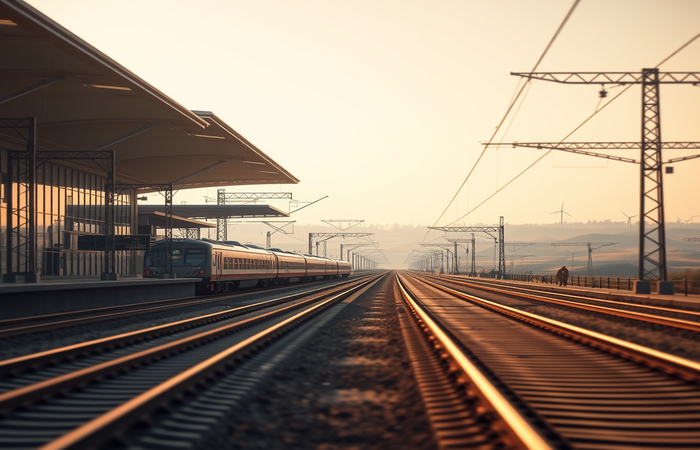
The cornerstone of a successful modern railway system lies in robust and efficient infrastructure. This encompasses a wide range of elements, from the tracks and signaling systems to stations and maintenance facilities. One of the most significant challenges is the aging infrastructure that plagues many railway networks worldwide. Deferred maintenance and outdated systems often lead to service disruptions, reduced speeds, and decreased capacity. Addressing these issues requires substantial investment in infrastructure upgrades, including track renewal, electrification, and the implementation of advanced signaling technologies such as European Rail Traffic Management System (ERTMS).
Furthermore, capacity expansion is crucial to accommodate growing passenger and freight traffic. This can be achieved through various means, including the construction of new lines, the addition of extra tracks, and the optimization of existing infrastructure. For example, upgrading the power supply for trains to increase the speed or the number of trains per hour. Careful planning and project management are essential to ensure that infrastructure projects are completed on time and within budget, while also minimizing disruption to existing services.
Technological advancements: The Digital Railway and its transformative impact.
Technological advancements are revolutionizing the railway industry, driving efficiency, safety, and the overall passenger experience. The concept of the “Digital Railway” is central to this transformation, representing the integration of digital technologies across all aspects of railway operations. This includes the use of sensors, data analytics, and automation to monitor and manage infrastructure, rolling stock, and train movements.
One of the key areas of focus is predictive maintenance. By analyzing data from sensors and other sources, railway operators can anticipate potential equipment failures and schedule maintenance proactively, minimizing downtime and improving reliability. Other important technologies include advanced signaling systems, which can optimize train movements and increase capacity, and real-time passenger information systems, which provide travelers with up-to-date information on train schedules, delays, and platform changes.
You might be interested in: “`html
Last November 2018, we published an article about Transdev’s €1.5 billion Hannover rail contract: a massive public-private partnership success story showcasing efficient rail network management and modernization. Click here to read – Hannover Rail: €1.5B Transdev PPP Case Study
“`
The integration of these technologies not only improves operational efficiency but also enhances the safety and security of railway systems. Automation and remote monitoring can reduce the risk of human error, while advanced security systems can protect against cyber threats and other security risks.
The evolving passenger experience: Putting the traveler first.
The passenger experience is becoming increasingly important in the railway industry. Passengers now expect a seamless, comfortable, and convenient travel experience, from the moment they plan their journey to their arrival at their destination. This involves several factors, including the accessibility of stations, the comfort and amenities of trains, and the availability of real-time information.
Accessibility is a key consideration, with railway operators working to make stations and trains accessible to passengers with disabilities. This includes the provision of ramps, lifts, and accessible toilets, as well as audio-visual announcements and tactile paving. The comfort and amenities of trains are also crucial, with operators investing in comfortable seating, Wi-Fi, and in-seat power outlets.
Real-time information is essential for providing passengers with up-to-date information on train schedules, delays, and platform changes. This can be delivered through a variety of channels, including station displays, mobile apps, and onboard announcements. The advent of a **mobile ticketing service** has further streamlined the passenger experience, allowing travelers to purchase tickets and manage their journeys with ease.
Conclusions: Charting the Course for a Sustainable and Passenger-Centric Future
In conclusion, the future of rail hinges on a concerted effort to modernize infrastructure, embrace technological advancements, and prioritize the passenger experience. Addressing the challenges of aging infrastructure through strategic investments in track renewal, electrification, and advanced signaling systems is paramount. The integration of digital technologies, such as predictive maintenance and real-time passenger information systems, will drive operational efficiency, enhance safety, and improve the overall travel experience. Furthermore, railway companies must focus on creating a seamless and comfortable journey for passengers.
The implementation of advanced technologies and passenger-focused initiatives will contribute to the attractiveness of rail as a sustainable transportation mode. By investing in these areas, the railway industry can position itself to meet the growing demand for efficient, reliable, and environmentally friendly transportation solutions. The challenges are significant, but the opportunities for growth and innovation are even greater. Embracing this transformation is not merely an option, but a necessity for the long-term viability and success of the railway industry. The future of rail is bright, and those who adapt and innovate will be at the forefront of this exciting evolution.
RELATED POSTS
June 11, 2025 11:00 pm
Trump approves $182M in rail infrastructure grants, reversing Biden delays....

October 23, 2025 6:54 pm
BNSF Railway unveils the winners of its 2025 **BNSF Sustainability...

February 8, 2013 1:55 pm
European rail infrastructure services company Colas Rail, in a consortium...

November 1, 2010 6:02 pm
Kenya Railways Corporation (KRC) has extended the bidding deadline for...
July 13, 2016 4:34 am
Rail Operations (UK) Ltd. secured an Akiem loan in December...

November 15, 2016 10:31 am
Azerbaijan Railways CJSC will purchase four more Stadler KISS double-deck...