
Future of Rail: Midland Main Line Upgrade, Rail Innovations Guide
Midland Main Line upgrade boosts railway efficiency. Network Rail completes GBP 84M OLE project, improving reliability and sustainability.
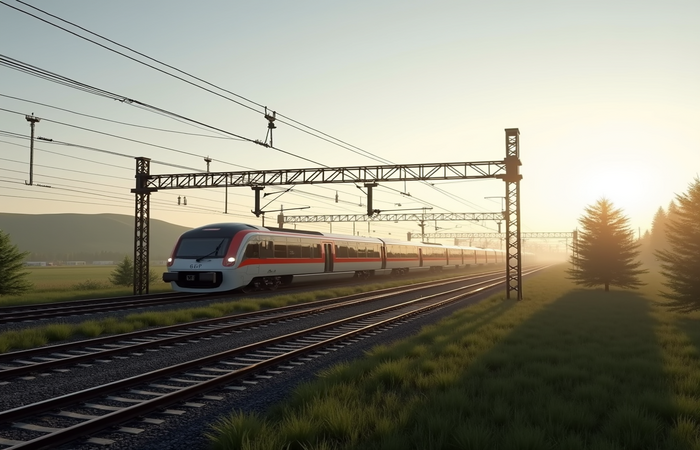
Midland Main Line Upgrade Completes: Modernization Boosts Efficiency and Reliability
Network Rail has successfully completed a GBP 84 million upgrade to overhead line equipment (OLE) on the Midland Main Line, a critical artery connecting London St Pancras and Bedford. The project, known as the OLE125 Compatibility Project, was finalized in June 2025, finishing on schedule and under budget. This comprehensive undertaking, initiated in September 2023, addressed long-standing infrastructure limitations dating back to the 1980s. The primary goal was to modernize the OLE to support the enhanced performance capabilities of modern bi-mode trains, driving efficiency and environmental improvements. This article will explore the intricacies of this vital infrastructure upgrade, highlighting the collaborative efforts and its impact on the future of rail travel in the region.
Modernizing the Overhead Line Equipment
The OLE125 project focused on replacing and upgrading the outdated infrastructure that has been limiting the performance of modern bi-mode trains. The project delivered enhanced reliability and reduction in journey disruptions, and enhanced the efficiency of electric operations. The project, executed in partnership with main contractor SPL Powerlines, involved comprehensive upgrades to the overhead line equipment. This included the replacement of aging copper wiring with modern, more efficient materials, the installation of advanced tensioning systems to improve line stability, and the refurbishment of masts and supporting structures. These improvements collectively contribute to reducing voltage drops and ensuring a more consistent power supply to trains, leading to faster acceleration and reduced journey times. The OLE is the critical infrastructure that conveys electrical power to the train from the power grid.
Operational Efficiencies and Environmental Benefits
A key objective of the OLE125 project was to enable more efficient electric train operations. By upgrading the OLE, Network Rail is facilitating a shift away from diesel-powered services, thereby decreasing reliance on fossil fuels and reducing carbon emissions. This is particularly important in achieving the government’s targets for a greener railway. The improved infrastructure supports more frequent and reliable electric train services. This promotes a more sustainable transport network and contributes to improved air quality along the Midland Main Line corridor. This project enhances the overall environmental footprint of rail transport, aligning with the broader sustainability goals of the industry.
Maximizing Efficiency Through Strategic Planning
Network Rail employed a strategic approach to maximize efficiency and minimize disruptions throughout the project. Line closures were carefully planned to coincide with periods of lower passenger demand, reducing the impact on travelers. Furthermore, during these closures, Network Rail conducted a range of routine maintenance tasks on the track and signaling systems. This integrated approach ensured that multiple improvements were delivered concurrently. This proactive strategy optimized resource allocation, minimized downtime, and ultimately accelerated project completion. This approach showcased the value of coordinated planning and execution in complex infrastructure projects.
Voices from the Project: A Commitment to Progress
Paul Cater, Senior Portfolio Manager at Network Rail, summarized the essence of the OLE125 project. “The successful OLE125 project has been about making the Midland Main Line more efficient and greener,” he stated. “This upgrade, combined with the wider electrification of the line, will mean the benefits are gained over a large area of our railway.” Cater’s statement underscores the project’s significance as part of a larger modernization initiative. Network Rail’s broader program on the Midland Main Line is aimed at fostering cleaner, faster, and more resilient rail travel throughout the region. This commitment reinforces the long-term vision for a modern, efficient, and environmentally responsible railway.
Conclusion
The successful completion of the OLE125 Compatibility Project marks a significant milestone in the modernization of the Midland Main Line. The GBP 84 million investment has delivered a more reliable, efficient, and environmentally friendly railway, benefiting both passengers and the wider community. This upgrade exemplifies the commitment to innovation and improvement within the rail industry. The project’s success will drive down carbon emissions. The project supports the wider electrification program. The Midland Main Line will contribute to a more sustainable transport network. The project sets a benchmark for future infrastructure upgrades, demonstrating the importance of careful planning, collaborative partnerships, and strategic resource allocation. The lessons learned from this project will be valuable as Network Rail continues to modernize its infrastructure, setting a new standard for efficiency and sustainability in the industry. Looking ahead, these enhancements on the Midland Main Line will enable continued investment in greener, faster, and more resilient rail travel across the region, thereby contributing to a more robust and sustainable transportation infrastructure.
Company Summary
Network Rail is the owner and infrastructure manager of most of the railway network in Great Britain. Their core operations include managing tracks, signals, tunnels, bridges, and other infrastructure. Their primary focus is maintaining safety, enhancing performance, and delivering railway upgrades across the country. Their ongoing modernization and maintenance projects are critical for the efficient and reliable operation of the railway system.
SPL Powerlines is a leading specialist in the design, construction, and maintenance of overhead line equipment. Their expertise in railway electrification has been critical to the success of numerous projects across Europe and the UK, providing essential support for the delivery of rail infrastructure projects such as the OLE125 Compatibility Project.
RELATED POSTS
August 15, 2025 12:34 am
Melbourne Intermodal Terminal, a key Australian rail freight hub, boosts...

October 6, 2022 11:07 am
Introduction This article delves into the significant contract awarded to...

December 18, 2024 1:09 pm
The factory’s initial project involves the final assembly of rolling...
September 1, 2017 3:36 am
Optimize your railway for peak efficiency and passenger delight. ...
March 21, 2025 4:43 am
Introduction The Rail Baltica project, a high-speed rail line aiming...
March 11, 2025 5:13 pm
Hanoi Metro Line 3 Extension: A Case Study in Modern...