
Future of Rail: LNR’s New Electric Fleet & Rail Innovations
LNR unveils new electric train fleet, boosting London Euston services. Modern, high-capacity EMUs improve passenger experience.
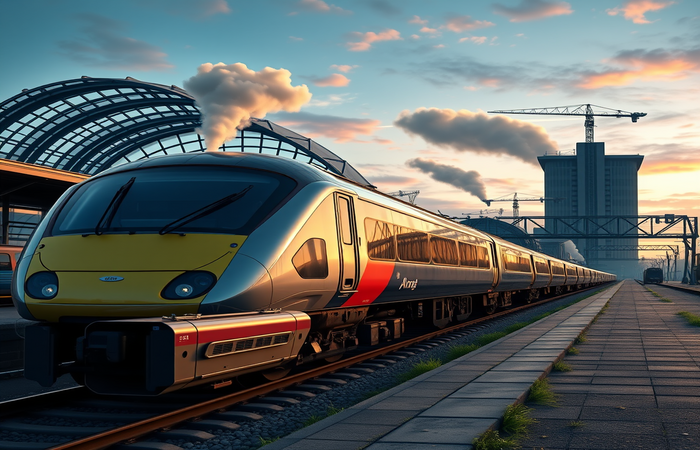
London Northwestern Railway Unveils New Electric Fleet, Ushering in a New Era of Passenger Rail
A new dawn in rail travel has arrived for millions of passengers using services into and out of London Euston. London Northwestern Railway (LNR) has officially launched its new fleet of Class 730/2 electric multiple units (EMUs), marking a significant investment in modernizing the passenger experience. The first train entered passenger service on June 9, 2025, departing London Euston at 16:19 bound for Northampton. This introduction follows an event held at Euston on June 6, attended by senior figures from Alstom, the manufacturer. The arrival of these trains, representing a GBP 1 billion investment, aims to drastically improve capacity and modernize the passenger experience across LNR’s network. This article explores the key features of the new fleet, its operational impact, and its significance within the broader context of UK rail modernization.
Capacity and Passenger Comfort: A Paradigm Shift
The Class 730/2 fleet, comprising 36 five-carriage trains totaling 180 new carriages, offers a substantial upgrade in passenger capacity. Each five-car train provides 406 seats, nearly doubling the seating capacity compared to the legacy Class 350 units. When operated in pairs, these trains can provide over 800 seats, exceeding the capacity of many older 12-carriage formations. This increase in capacity is vital to address growing passenger demand, especially during peak hours. Beyond mere seating, the new trains boast modern passenger-focused features, including open gangways, which improve passenger flow, charging points at every seat, and intelligent air conditioning systems for enhanced comfort. These enhancements reflect a commitment to prioritizing the passenger experience, a key element of LNR’s modernization strategy.
Operational Deployment and Route Expansion
Initially, the Class 730/2 trains are servicing the route between Northampton and London Euston, calling at key stations such as Milton Keynes Central, Tring, and Watford Junction. Later in the year, the fleet is scheduled to expand its operational reach, commencing operations on the Trent Valley line, connecting Crewe and Euston via Lichfield Trent Valley, Nuneaton, and Rugby. This phased deployment strategy allows for seamless integration into the existing network infrastructure and efficient driver training. Full deployment of the entire Class 730/2 fleet is anticipated by the end of 2026, forming a cornerstone of West Midlands Trains’ (WMT) modernization plan. WMT operates both London Northwestern Railway and West Midlands Railway services, underscoring the wide-reaching impact of this investment.
Technical Specifications and Design Innovation
The Class 730/2 units are built upon Alstom’s Aventra family of EMUs, a proven platform known for its reliability and adaptability. Manufactured at Alstom’s Derby facility, the trains reflect the company’s commitment to domestic production and innovation within the UK. The design focuses on maximizing efficiency and minimizing environmental impact. The EMUs are designed for regenerative braking, feeding power back into the network during deceleration. This feature, combined with their electric propulsion, contributes to a reduction in carbon emissions. Additionally, the Aventra design is modular, facilitating ease of maintenance and future upgrades. The trains’ performance characteristics, including acceleration and braking capabilities, have been optimized for the demanding operational requirements of LNR’s diverse network.
Industry Impact and Strategic Implications
The introduction of the Class 730/2 fleet represents a significant step forward for rail operators and the rail industry. The increased capacity helps alleviate overcrowding and enhances passenger satisfaction, critical aspects of public transport’s attractiveness. The modern features, such as onboard Wi-Fi and real-time information displays, are setting a new standard for passenger experience. The investment also supports domestic manufacturing and the creation of skilled jobs in the UK, reinforcing the government’s commitment to rail modernization. The success of this program can serve as a model for future fleet upgrades across the UK rail network. The transition from older rolling stock to modern, high-capacity EMUs signals a pivotal moment in the evolution of the UK’s rail sector, with implications for efficiency, environmental sustainability, and passenger experience.
Conclusion
The rollout of the Class 730/2 electric trains marks a transformative moment for London Northwestern Railway and, by extension, for the wider UK rail industry. This GBP 1 billion investment demonstrates LNR’s commitment to providing a modernized, efficient, and passenger-focused service. These new EMUs offer a substantial capacity increase and a range of enhancements designed to improve the passenger experience. The phased deployment strategy and planned route expansion reflect careful planning and a commitment to operational success. Additionally, the use of domestically manufactured trains underscores the positive impact on the UK rail supply chain and strengthens the industry’s commitment to sustainability through modern, electric traction. The introduction of the Class 730/2 fleet sets a new standard for passenger rail in the UK. The success of this project will pave the way for future modernization efforts, reinforcing the importance of investment and innovation in improving the experience for all rail users.
Company Summary
Alstom is a global leader in smart and sustainable mobility solutions, operating across the rail transport sector. The company designs, manufactures, and services a broad range of railway equipment, from high-speed trains to trams and infrastructure solutions. Alstom’s UK facilities, including the Derby site, play a central role in the country’s rail modernization program, producing trains that drive a more sustainable and efficient rail network. Alstom’s focus on innovation and its commitment to reducing the environmental footprint of rail transport make it a key player in the future of the railway.
London Northwestern Railway (LNR), operated by West Midlands Trains, is a key passenger rail operator in the United Kingdom. LNR’s services connect London with major towns and cities across the West Midlands region and beyond. As part of West Midlands Trains, LNR is actively involved in the modernization of rail infrastructure and rolling stock, with a strong emphasis on improving passenger services and offering modern amenities. The deployment of the Class 730/2 fleet demonstrates LNR’s commitment to enhancing the passenger experience and capacity of the network.

Railway infrastructure, rolling stock and transport technologies specialist focused on global rail industry developments, high-speed rail systems, signaling technologies and freight transportation. Covering railway investments, public transport modernization, rail operations and international mobility projects across Europe, Asia and North America.
RELATED POSTS

October 1, 2026 7:09 am
United States regulators confirmed a September 30 deadline for the...

October 8, 2026 1:15 pm
Alstom secured a €1bn contract to build 13 automated trains,...

October 4, 2026 5:14 pm
Alstom secured a CA$4.7 billion order from VIA Rail Canada...

October 1, 2026 12:13 am
Illinois approved $1.5 billion annually for the Northern Illinois Transit...
October 6, 2026 2:14 am
Union Pacific launched export rail shipments with Ferromex to deliver...

October 1, 2026 6:10 am
Amtrak approved a System Expansion Committee on July 30 to...