
France’s Green Rail Revolution: Retrofitting TER Trains
Introduction
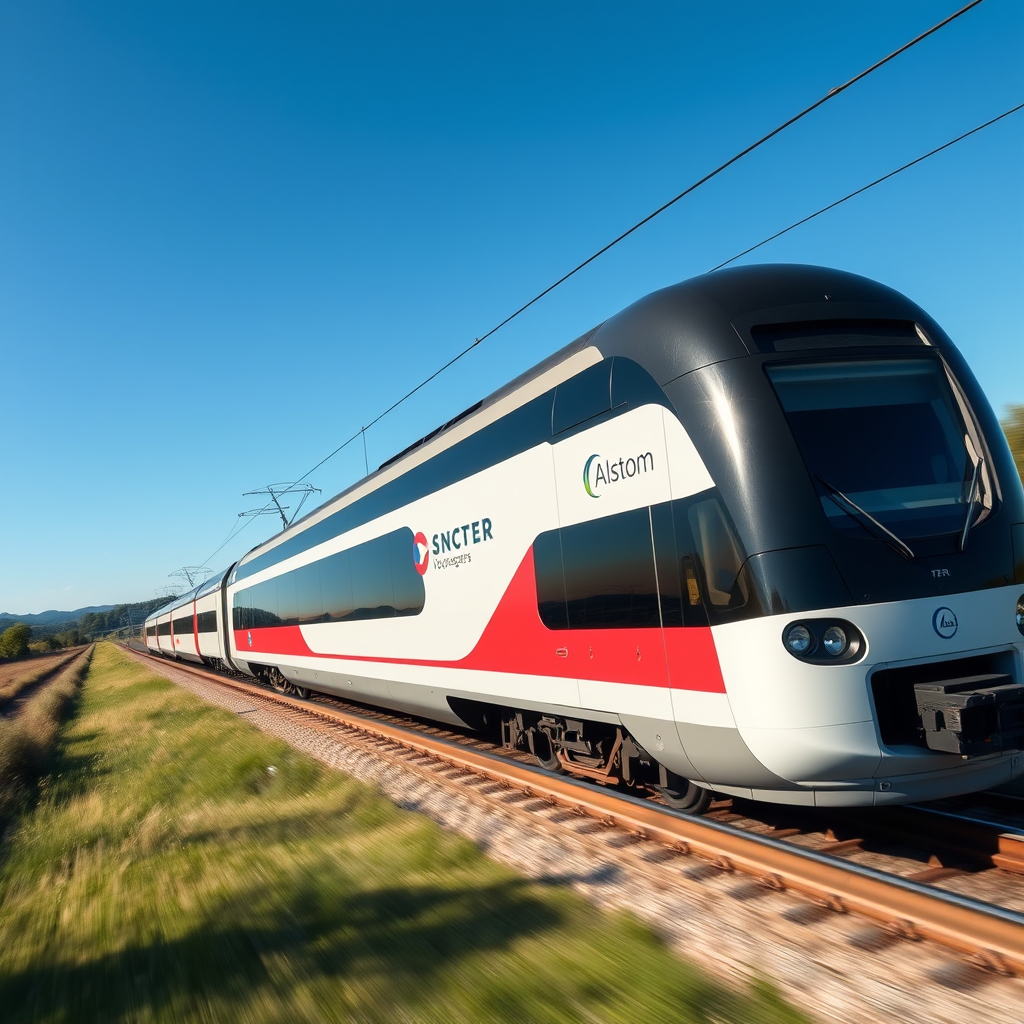
This article explores the significant advancements in railway decarbonization efforts in France, focusing on the collaborative project between SNCF Voyageurs (French National Railway Company) and Alstom, a leading railway manufacturer. The core of this initiative centers on the retrofitting of existing diesel-powered Regional Trains (TERs) with battery technology, transforming them into fully electric vehicles. This innovative approach addresses the pressing need to reduce greenhouse gas emissions from the rail sector while simultaneously leveraging existing infrastructure and rolling stock. The project represents a substantial investment (€40 million, or approximately $42.4 million USD), demonstrating a commitment to sustainable transportation and highlighting the potential for large-scale implementation of battery-electric technology in existing rail networks. We will examine the technical aspects of the retrofitting process, the testing and validation stages, the collaborative partnerships involved, and the broader implications for the future of sustainable rail transport. The success of this project has significant implications for other railway operators globally facing similar decarbonization challenges.
Retrofitting Diesel Trains: A Technical Overview
The core of this project involves the complete removal of the diesel engines from five existing dual-mode TER trainsets and their replacement with a state-of-the-art battery system. This is a complex undertaking, requiring detailed engineering design, meticulous integration of the new battery packs, and rigorous testing to ensure compatibility with existing train systems and safety standards. The challenges include considerations of weight distribution, power management, thermal management of the batteries (to prevent overheating and extend battery life), and the integration of new charging infrastructure. The process involves not only the physical installation but also the modification of onboard electronics, software, and control systems to accommodate the battery-electric propulsion system. The selection of appropriate battery chemistry (e.g., Lithium-ion) is crucial, balancing energy density, lifespan, and safety requirements. Furthermore, the charging infrastructure needs to be compatible with the train’s operational requirements, potentially requiring upgrades to existing depot facilities.
Testing and Validation: Ensuring Safety and Performance
Rigorous testing is integral to the success of any railway project, especially one as complex as this retrofitting initiative. The project has undergone two phases of testing. The first involved dynamic and static testing at Alstom’s Crespin site, focusing on validating the battery charging and discharging systems at speeds up to 60 km/h. This initial phase aimed to ensure the basic functionality and safety of the new system. The second phase, conducted at the Centre d’essais ferroviaires (railway testing center) in Bar-le-Duc, involves more comprehensive testing, including high-speed trials up to 160 km/h, under operational conditions. This phase focuses on validating the performance, reliability, and safety of the fully integrated system under real-world scenarios, paving the way for certification and commercial operation. Successful completion of these tests is critical for obtaining the necessary approvals for the trainsets to operate commercially.
Collaboration and Partnerships: A Multi-Stakeholder Approach
The success of this project is a testament to the power of collaboration between various stakeholders. The partnership between SNCF Voyageurs and Alstom is central, combining the expertise of a railway operator with a leading rolling stock manufacturer. However, the involvement of five French regions (Nouvelle-Aquitaine, Auvergne-Rhône-Alpes, Hauts-de-France, Occitanie Pyrénées-Méditerranée, and Sud Provence-Alpes-Côte d’Azur) is equally significant. Their financial contribution demonstrates a regional commitment to sustainable transportation and highlights the potential for regional variations in deployment and infrastructure needs. This multi-stakeholder approach ensures a wider impact and increased support for the initiative. The collaborative funding model reduces the financial burden on any single entity and creates a stronger impetus for the project’s success.
Conclusions
The successful unveiling of the first retrofitted battery-powered TER train marks a significant milestone in the decarbonization of the French railway network. This project, a collaborative effort between SNCF Voyageurs, Alstom, and five French regions, demonstrates the feasibility and effectiveness of retrofitting existing rolling stock with battery technology, offering a sustainable and cost-effective solution to reduce reliance on diesel engines. The rigorous testing process, encompassing both low-speed and high-speed trials, ensures the safety and reliability of the new system before its commercial deployment. The project’s success showcases a viable pathway for other railway operators globally seeking to modernize their fleets and reduce their environmental footprint. The multi-stakeholder collaboration model also provides a valuable example for future large-scale railway modernization projects, highlighting the importance of shared responsibility and funding in achieving ambitious sustainability goals. The lessons learned from this project, including technical challenges overcome and best practices established, will undoubtedly inform future initiatives aimed at electrifying and decarbonizing rail transport, paving the way for a cleaner, greener future for the railway industry worldwide. The project’s completion, targeted for December 2024, represents not merely a technological advancement, but a tangible step toward a more environmentally responsible and sustainable transportation system. It also showcases the potential of repurposing existing assets, mitigating costs and minimizing waste. The widespread adoption of similar initiatives holds the potential to significantly reduce the carbon emissions of the global railway network, contributing substantially to broader environmental goals.
RELATED POSTS

February 19, 2025 4:33 am
The Expansion of Switzerland’s Integrated Air-Rail Network: Enhancing Connectivity and...

December 4, 2020 9:10 pm
Russian Railways has experienced high levels of demand from international...
January 22, 2026 3:39 pm
SNCB's Mobi 2.0 AI assistant boosts passenger support, understanding questions...

July 14, 2019 7:32 pm
Bahrain Metro Project: A Transaction Advisory Perspective This article delves...
September 6, 2025 7:37 am
Australia adopts ETCS digital signalling, unifying its national rail network...
December 23, 2025 2:39 pm
Avanti West Coast launches Ignite a Change, an AI platform,...