
Florence Tram Line 4.2: Alstom’s €50M Contract
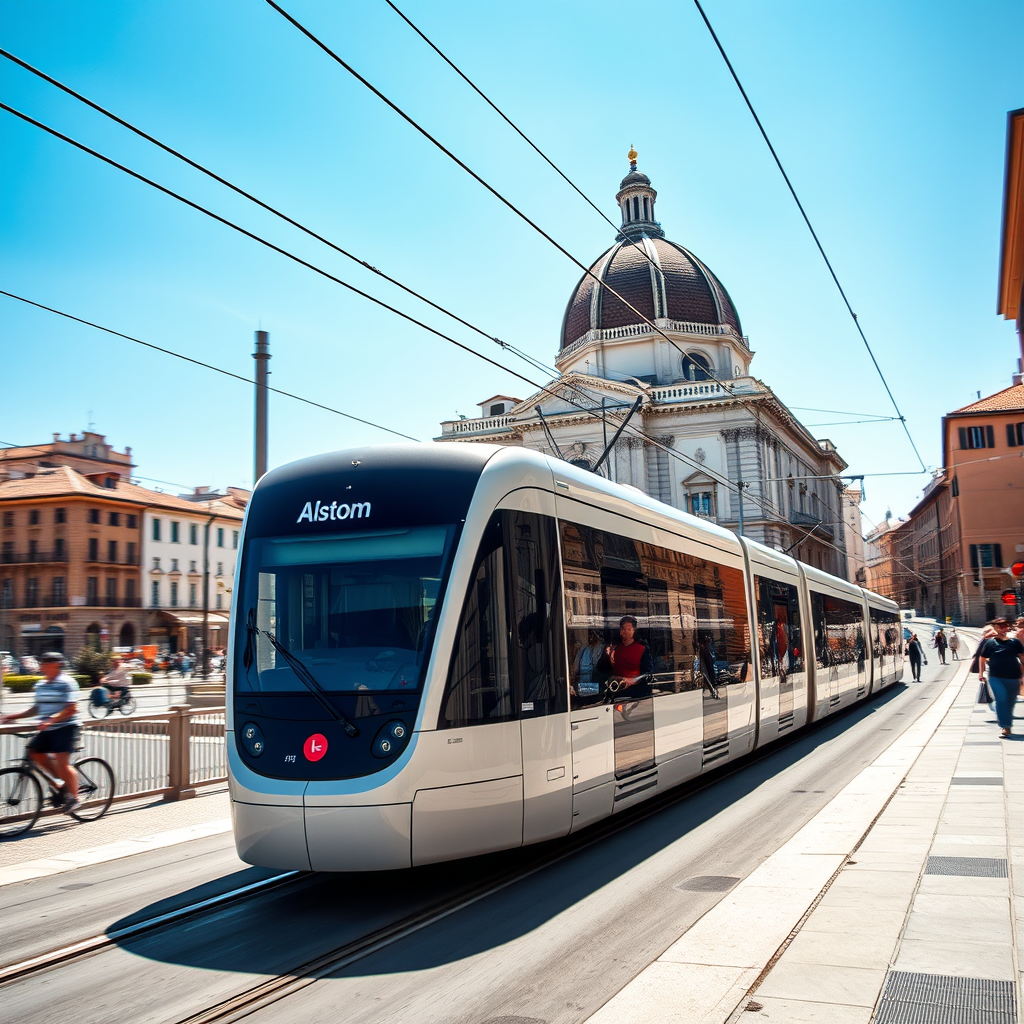
This article explores the significant €50 million contract awarded to Alstom by the Municipality of Florence for the construction of Line 4.2 of its tram system. This project highlights several key aspects of modern light rail infrastructure development: the integration of sustainable technologies, the complexities of urban transit planning, and the crucial role of private sector involvement in public works projects. The contract encompasses more than just track laying; it represents a holistic approach to building a functional and efficient light rail system, incorporating elements such as the catenary system (overhead power lines), substations (electrical power distribution points), and intelligent transportation systems (ITS). The project’s funding through the National Recovery and Resilience Plan (NRRP) also underscores the importance of governmental investment in sustainable and resilient infrastructure. We will delve into the specifics of the project, examining its technical aspects, financial implications, and broader significance within the context of Italy’s ongoing efforts to modernize its transportation networks.
Alstom’s Expanding Role in Italian Rail Infrastructure
Alstom, a leading global player in the rail industry, has secured a substantial contract for the construction of Florence’s Tram Line 4.2. This €50 million project demonstrates Alstom’s growing presence in the Italian rail market. The scope of work includes the construction of approximately 11 kilometers of track, encompassing the installation of the overhead catenary system, the building of substations to provide power to the trams, and the implementation of a comprehensive lighting system. This project builds upon Alstom’s existing work in Italy, further solidifying its position as a key player in the country’s rail infrastructure modernization efforts. The project also showcases their commitment to sustainable mobility solutions, contributing to Florence’s broader transportation strategy.
Technical Aspects of the Florence Tram Line 4.2 Project
The technical complexity of the Line 4.2 project is substantial. It requires precise engineering and coordination across multiple disciplines. The 11km track will require careful surveying and construction to ensure smooth operation and integration with existing infrastructure. The catenary system design must accommodate the specific demands of the tram system, ensuring reliable power delivery. Substation placement and design are critical for efficient power distribution along the entire line, minimizing energy losses and maximizing operational efficiency. Furthermore, the integration of intelligent transportation systems (ITS) – which includes advanced signaling, communication, and passenger information systems – is a vital component for optimizing the tram’s performance and passenger experience. The successful execution of this project requires a high level of expertise and coordination across Alstom’s various teams.
Financial and Political Context of the Project
The €50 million investment in Line 4.2 is funded through Italy’s National Recovery and Resilience Plan (NRRP). This signifies the Italian government’s commitment to modernizing its transportation infrastructure and promoting sustainable urban development. The NRRP funding highlights the importance of strategic infrastructure projects in stimulating economic growth and creating jobs. The project’s financial aspects extend beyond the direct construction costs; it also encompasses the long-term operational costs of maintaining and running the tram system. The successful completion of this project will serve as a model for future infrastructure development, demonstrating the efficacy of public-private partnerships in delivering large-scale infrastructure projects.
Alstom’s Strategic Positioning and Future Prospects in Italy
Alstom’s success in securing this contract reinforces their strategic positioning within the Italian rail market. This win complements their existing projects and underscores their expertise in delivering complex light rail projects. Their work on Line 4.2, along with their introduction of hydrogen trains in Puglia, showcases their commitment to sustainable transportation solutions and their ability to adapt to evolving technological advancements. Alstom’s continued investment in Italy and its participation in significant infrastructure projects like Line 4.2 solidify their position as a key partner in Italy’s efforts to improve its national transportation network. The success of this project will serve as a testament to Alstom’s capabilities and strengthen their position for future projects in Italy and beyond.
Conclusions
The Alstom contract for Florence’s Tram Line 4.2 represents a significant milestone in Italy’s ongoing efforts to modernize its urban transportation systems. The project, funded by the NRRP, highlights the commitment to sustainable and efficient public transit. The €50 million investment covers the construction of over 11 kilometers of track, including the catenary system, substations, and lighting, underscoring the comprehensive nature of the undertaking. Alstom’s involvement showcases their expertise in delivering complex rail infrastructure projects, further solidifying their presence in the Italian market. The project’s technical complexity, requiring precise engineering and coordination across multiple disciplines, showcases the challenges and rewards of modern urban transit development. The successful completion of Line 4.2 will not only improve Florence’s public transportation but will also serve as a model for future sustainable infrastructure projects across Italy, demonstrating the effective collaboration between the public sector and private companies like Alstom in achieving ambitious infrastructural goals. The project’s success will hinge on effective project management, careful coordination between different stakeholders, and adherence to rigorous quality standards. The long-term success of Line 4.2 will be measured not only by its initial construction but also by its operational efficiency, its positive impact on the city’s transportation network, and its contribution to a more sustainable urban environment. Finally, the project highlights the increasing importance of sustainable and efficient transportation solutions in addressing the challenges of urban growth and environmental concerns.
RELATED POSTS

August 25, 2021 6:25 am
The Beerburrum to Nambour Rail Upgrade (B2N) project represents a...
June 16, 2019 4:35 am
The railway industry, a cornerstone of global transportation, is undergoing...
December 16, 2025 5:39 pm
Austria's Koralmbahn railway launches, connecting Graz and Klagenfurt with a...

October 19, 2009 9:05 pm
The Netherlands has equipped its 45km Havenspoorlijn freight line with...

April 14, 2016 4:12 pm
From 2016 Binary System and Asola have launched a commercial...
October 13, 2025 9:54 am
ÖBB completes a EUR 70 million expansion of its Innsbruck...