
FirstGroup’s Electric Revolution: London-Edinburgh Rail Upgrade
FirstGroup’s electrifying London-Edinburgh route upgrade features five new Hitachi AT300 EMUs, boosting passenger comfort and challenging air travel. Discover how this innovative project is reshaping intercity rail!
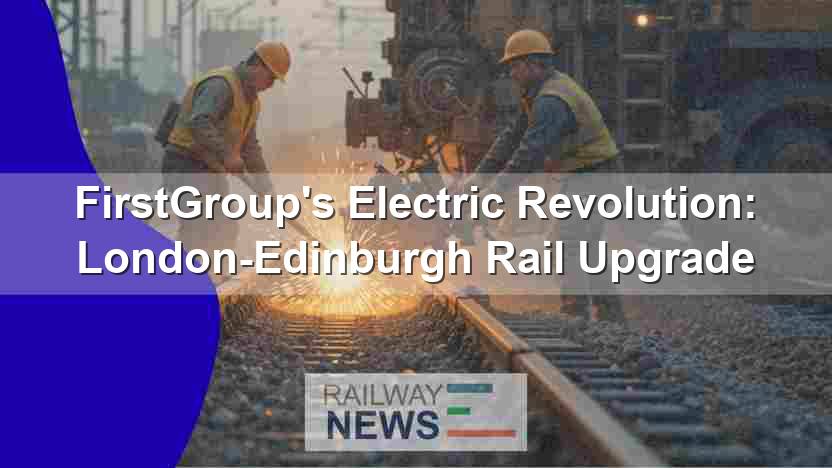
This article explores the significant investment by FirstGroup in five new electric trains for the London-Edinburgh route, marking a substantial shift towards enhancing passenger experience and competitiveness within the intercity rail market. The decision to order five AT300 125mph (miles per hour) electric multiple units (EMUs) from Hitachi represents a strategic move to challenge the dominance of air travel and provide a compelling low-cost alternative. This acquisition isn’t simply about adding more rolling stock; it signifies a commitment to upgrading infrastructure, improving passenger amenities, and fostering sustainable transport solutions. The analysis will delve into the technological advancements incorporated into these new trains, the economic implications of this investment for FirstGroup and the wider rail industry, and the potential impact on passenger behavior and the overall travel landscape between these two major UK cities. We will examine the business strategy behind this move, the logistical challenges of introducing new rolling stock, and the long-term sustainability goals integrated into the project.
Modernizing the London-Edinburgh Corridor
FirstGroup’s commitment to purchasing five new Hitachi AT300 EMUs highlights a proactive approach to modernizing intercity rail travel. These state-of-the-art trains offer significant improvements over existing rolling stock, boasting features such as increased seating capacity (an additional 400 seats per train), enhanced passenger comfort through modern interiors and air conditioning, and improved connectivity via Wi-Fi and power sockets. The integration of these amenities directly addresses passenger demands for a more comfortable and technologically advanced travel experience. Additionally, the switch to electric traction significantly reduces the environmental impact of the service, aligning with growing concerns about sustainability within the transportation sector. The electric propulsion systems contribute to quieter operation and reduced greenhouse gas emissions compared to traditional diesel-powered trains.
Strategic Market Positioning and Competition
The introduction of these new trains isn’t just about upgrading infrastructure; it’s a calculated business strategy to compete directly with low-cost airlines on the London-Edinburgh route. By offering a low-fare, high-quality alternative, FirstGroup aims to attract a broader range of passengers, including those who might have previously chosen air travel due to price or perceived convenience. This strategy requires not only competitive pricing but also a superior passenger experience to make rail the preferred mode of transport. The investment in new trains and the accompanying marketing campaign reflect a commitment to capture a larger share of the intercity travel market.
Technological Advancements and Maintenance
The Hitachi AT300 EMUs represent a significant technological leap in intercity rail. The trains’ design is inspired by Japanese bullet trains, reflecting a focus on efficiency and passenger comfort. Beyond the immediate improvements in passenger amenities, the ten-year maintenance agreement with Hitachi ensures ongoing operational reliability and reduces the risk of service disruptions. This long-term partnership guarantees consistent maintenance and reduces FirstGroup’s operational overhead while also ensuring the trains remain in optimal condition throughout their service life. Additionally, the planned integration of 5G Wi-Fi, initially through a partnership with Blu Wireless, adds another layer of technological advancement, providing high-speed internet access for passengers on board.
Regulatory Approval and Open Access
FirstGroup’s success in securing the necessary approval from the Office of Rail and Road (ORR) to operate an “open access” service on the London-Edinburgh route underscores the viability of their business plan and the regulatory support for increased competition within the rail sector. The open access model allows operators to compete directly with established franchises, fostering innovation and potentially leading to improved services for passengers. This regulatory approval is a crucial element of FirstGroup’s strategy, demonstrating both the feasibility and the governmental acceptance of their plan to introduce a low-cost, high-quality rail service on this important route.
Conclusions
FirstGroup’s order of five electric Hitachi AT300 trains represents a significant milestone in the evolution of intercity rail travel between London and Edinburgh. This investment is more than just acquiring new rolling stock; it’s a detailed strategy encompassing technological upgrades, improved passenger amenities, and a focused attempt to compete with air travel. The integration of modern features such as increased seating capacity, air conditioning, Wi-Fi, and power sockets directly addresses passenger expectations, while the adoption of electric propulsion underscores FirstGroup’s commitment to sustainability. The partnership with Hitachi, covering both the provision of trains and ten years of maintenance, ensures operational reliability and minimizes future operational expenditure. The securing of regulatory approval for an open access service demonstrates the viability and market potential of a low-fare, high-quality rail alternative on this busy route. To summarize, this project signifies a pivotal shift towards a more competitive and technologically advanced intercity rail system, ultimately benefiting passengers through improved services and a wider range of travel options. The success of this venture will serve as a benchmark for future investments in the UK rail network and inspire similar initiatives focused on enhancing both passenger experience and environmental responsibility.

Railway infrastructure, rolling stock and transport technologies specialist focused on global rail industry developments, high-speed rail systems, signaling technologies and freight transportation. Covering railway investments, public transport modernization, rail operations and international mobility projects across Europe, Asia and North America.
RELATED POSTS
September 6, 2026 5:19 am
Hitachi delivered Taiwan's first N700ST high-speed train from Japan in...

September 5, 2026 4:19 pm
CPK launched formal tender talks with four consortia to design...

September 6, 2026 4:12 am
Alstom delivered the first of 100 new G Class trams...

September 5, 2026 7:14 pm
HS2 Ltd signed renegotiated civils contracts with EKFB and Align...
September 6, 2026 1:17 am
Hitachi Toshiba Supreme Consortium confirmed the first of 12 N700ST...
September 6, 2026 6:17 am
Hungary ordered a national ban on most freight trains from...