
Feltham Station Upgrade: Accessibility, Capacity, & More

This article examines the significant upgrades undertaken at Feltham station in London, focusing on the improvements in accessibility, capacity expansion, and overall passenger experience. The £31 million investment highlights the UK government’s commitment to modernizing its railway infrastructure and enhancing the commuter experience. The project, completed in 2021, serves as a case study in large-scale railway station refurbishment, showcasing the challenges and benefits of such endeavors. We will explore the specific improvements implemented, analyzing their impact on passenger flow, accessibility, and the broader integration of the station within the local transport network. Further, we will consider the project’s place within a wider program of railway improvements and upgrades, such as the Feltham and Wokingham Resignalling Programme (FWRP) and its long-term implications for the railway network’s resilience and efficiency. Finally, we will discuss the wider implications of such accessibility improvements for the railway industry and the passengers it serves.
Platform Extensions and Accessibility Enhancements
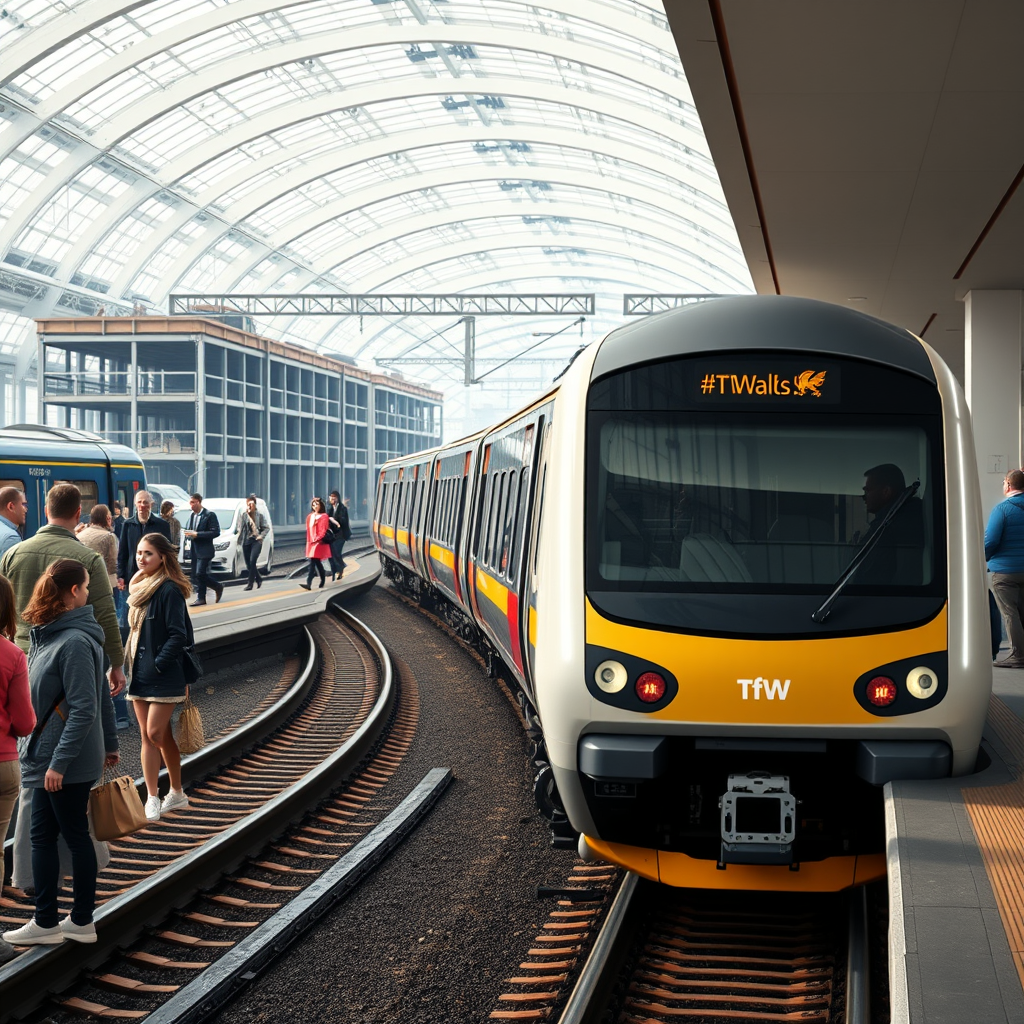
The expansion of Feltham station’s platforms to accommodate longer, 10-car trains is a key improvement. This directly addresses capacity constraints, allowing for increased passenger numbers during peak hours and reducing overcrowding. Coupled with this platform lengthening, a new pedestrian and cycle bridge has been constructed, significantly enhancing accessibility for all passengers, particularly those with mobility impairments or traveling with luggage. The addition of a step-free entrance to platform 1, conveniently located near newly built bus stops, further improves accessibility and promotes seamless integration with the local bus network. This integrated approach to accessibility ensures improved connectivity for all commuters.
Signalling System Upgrades and Network Resilience
The investment in state-of-the-art signalling equipment forms a crucial part of the Feltham station upgrade. The approximately £375 million allocated to this element signifies the importance of reliable and efficient signaling for the overall performance of the railway network. The new system is designed to reduce service disruption and minimize the time required to restore services following incidents. This improvement not only impacts the reliability of trains at Feltham but also contributes to the overall resilience of the Southwest Trains (SWT) network leading to London Waterloo. This focus on network-wide reliability showcases a strategic approach to rail management.
The Feltham and Wokingham Resignalling Programme (FWRP) and Wider Network Improvements
The Feltham station upgrade is not an isolated project; it’s part of the larger FWRP. This program involves a complete overhaul of the signaling systems in the region, executed in six phases between 2021 and 2024. Beyond signaling, the FWRP includes upgrading several level crossings, improving both safety and operational efficiency. These improvements directly contribute to a safer and more reliable railway environment. The program also includes the construction of a new train stabling and maintenance depot in Feltham, designed to service South Western Railway’s (SWR) new £1 billion fleet of Arterio trains, ensuring the long-term maintenance and reliability of its rolling stock.
Amersham Station Accessibility Improvements and Broader Accessibility Initiatives
While focused on Feltham, the article also mentions the significant step-free improvements made to Amersham underground station. This highlights a broader commitment to improving accessibility across the London transport network. The installation of lifts, a connecting bridge, and upgraded signage at Amersham demonstrates a similar dedication to inclusivity and improved passenger experience as seen at Feltham. This parallel development reinforces the UK’s overall strategy towards creating a more accessible and inclusive public transport system, benefiting passengers with disabilities.
Conclusion
The £31 million investment in Feltham station represents a significant step towards modernizing the UK’s railway infrastructure and improving the passenger experience. The upgrades, encompassing platform extensions, accessibility enhancements, and signaling improvements, have demonstrably increased capacity, reduced journey times, and enhanced the overall reliability of the line. The integration of Feltham station’s improvements within the wider FWRP demonstrates a strategic approach to improving the entire Southwest Trains (SWT) network’s resilience and efficiency. The success of this project, along with similar accessibility improvements seen at stations like Amersham, showcases a broader commitment to creating a more inclusive and accessible public transport system. These improvements not only benefit individual passengers but contribute to the overall economic efficiency and social benefit of a well-functioning railway system. The focus on future-proofing the network through investment in new signaling technology and maintenance depots further underscores a long-term commitment to sustainable rail transport in the UK. The combined impact of these projects signifies a substantial move towards a more modern, efficient, and inclusive railway network for the benefit of all commuters.
RELATED POSTS

MARTA names Jonathan Hunt interim CEO. CSX board member...

January 9, 2026 8:57 pm
CSX completes Guilford Avenue Bridge paving, a key Howard Street...
June 12, 2020 12:42 am
This article explores the compelling proposal by the UK-based High...
June 22, 2023 2:50 am
The Strategic Acquisition of 1stinrail by RSK Group: Expanding Expertise...

June 29, 2025 4:33 am
Swiss Railways modernize with Siemens. BLS Netz AG upgrades...
March 23, 2025 4:20 am
This article examines the recent timetable revisions announced by Transport...