
EU Rail Merger: Siemens-Alstom Investigation
The Siemens-Alstom merger: A European Commission investigation revealed crucial competition concerns in the rail industry. Discover how this impacted innovation and pricing!
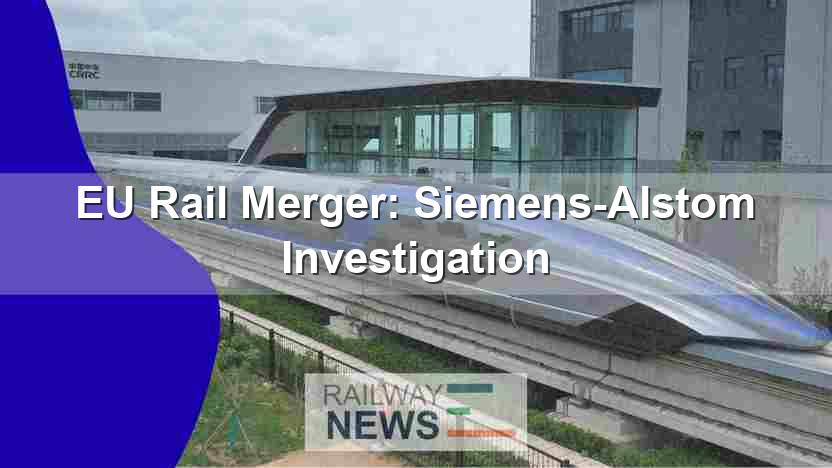
The proposed merger between Siemens Mobility and Alstom, two industry giants in the European rail sector, sparked significant regulatory scrutiny. This article explores the European Commission’s (EC) investigation, analyzing the competition concerns that prompted the inquiry, the potential consequences of the merger, and the broader implications for the European rail market. The EC’s role as the guardian of competition within the European Union (EU) necessitates a thorough examination of any deal that could substantially lessen competition, particularly within an industry as crucial as railway transport. The investigation focused on potential anti-competitive effects arising from the combined entity’s market dominance in rolling stock (trains and other railway vehicles) and signaling systems. This analysis will unpack the specifics of the EC’s concerns, examining the market structure, the potential for reduced innovation, and the impact on consumers – the millions of Europeans who rely on efficient and affordable rail travel daily. The subsequent sections will explore the EC’s findings, the potential remedies, and the long-term consequences for the European rail industry.
Market Dominance and Reduced Competition
The EC’s primary concern centered on the creation of a dominant player in the European rail market. The merger would combine two of the largest players, resulting in a significantly reduced number of competitors, particularly concerning the supply of rolling stock and signaling systems. The initial investigation revealed that the combined Siemens-Alstom entity would be nearly three times larger than its nearest competitor, raising concerns about a potential lack of competitive pressure. This dominance could lead to several negative consequences, including higher prices for rail operators, reduced innovation due to diminished incentive, and a diminished choice for customers in terms of product and service quality.
Impact on Innovation and Pricing
A less competitive market often leads to a decrease in innovation. With fewer players vying for market share, the incentive to develop cutting-edge technologies and improve existing products is diminished. The EC feared that the Siemens-Alstom merger could stifle innovation, potentially resulting in slower technological advancements in the European rail industry. Additionally, a lack of competition can facilitate price increases. A dominant supplier can leverage its market power to charge higher prices without fear of losing significant market share to competitors. This would directly impact rail operators and, ultimately, passengers who would face increased fares or reduced service quality.
Barriers to Entry and Market Structure
The EC’s investigation also considered barriers to entry for new competitors in the European rail market. The high capital investment required to design, manufacture, and maintain rolling stock and signalling systems creates a substantial hurdle for potential new entrants. This already limited entry is further constrained by the significant market share held by existing large players like Siemens and Alstom. The merger would solidify this market structure, making it even more difficult for new companies to establish themselves, further reducing competition and perpetuating the dominance of the merged entity. The potential for a sustained oligopoly (a market dominated by a small number of powerful firms), with limited contestability, represents a considerable risk to the long-term health and dynamism of the European rail sector.
Potential Remedies and Long-Term Implications
The EC’s investigation involved a thorough assessment of the potential anti-competitive effects of the merger. The commission could have imposed various remedies to mitigate these concerns, including requiring the divestiture of certain assets or business lines to maintain a competitive landscape. The ultimate decision hinged on balancing the potential benefits of the merger – such as increased efficiency and economies of scale – against the potential harm to competition. The outcome significantly impacted the long-term structure and competitiveness of the European rail industry. The success or failure of the EC’s intervention will serve as a significant case study for future mergers and acquisitions in highly regulated sectors, underscoring the importance of effective competition enforcement in ensuring a healthy and innovative marketplace.
Conclusions
The European Commission’s investigation into the Siemens-Alstom merger highlighted the crucial role of competition policy in safeguarding the interests of consumers and fostering innovation within strategically important sectors like rail transport. The proposed merger raised substantial concerns regarding market dominance, reduced competition, and the potential for higher prices and reduced innovation in rolling stock and signaling systems. The EC’s in-depth analysis of market structure, barriers to entry, and the potential impact on both rail operators and passengers underscored the complexities involved in evaluating such mega-mergers. The outcome of the investigation—whether it resulted in the merger’s approval with conditions or its outright blocking— would have profound and lasting consequences for the European rail industry. It sets a significant precedent for future merger evaluations, emphasizing the importance of rigorous antitrust enforcement in ensuring a dynamic and competitive marketplace that benefits both businesses and consumers alike. The case serves as a reminder that the pursuit of efficiency and economies of scale must be carefully balanced against the preservation of a competitive environment capable of fostering innovation and delivering optimal outcomes for European citizens who depend on efficient and affordable rail systems every day.

Transport and railway industry editor covering global rail infrastructure, sustainable mobility, urban transit systems and next-generation railway technologies with a focus on accessible and industry-focused reporting.
RELATED POSTS

October 1, 2026 7:09 am
United States regulators confirmed a September 30 deadline for the...

October 4, 2026 5:14 pm
Alstom secured a CA$4.7 billion order from VIA Rail Canada...
October 1, 2026 10:14 am
HS2 installed a 55-metre steel span in Birmingham, completing phase...

October 1, 2026 11:14 pm
CATS confirmed a six-mile streetcar route in Charlotte to add...
October 1, 2026 11:13 am
Norfolk Southern expanded its 3B Corridor in Alabama in 2025,...
October 1, 2026 1:12 pm
CSX expanded Queensgate Yard in Cincinnati by installing 42 power...