
EU Green Freight Plan: Sustainable Transport Revolution
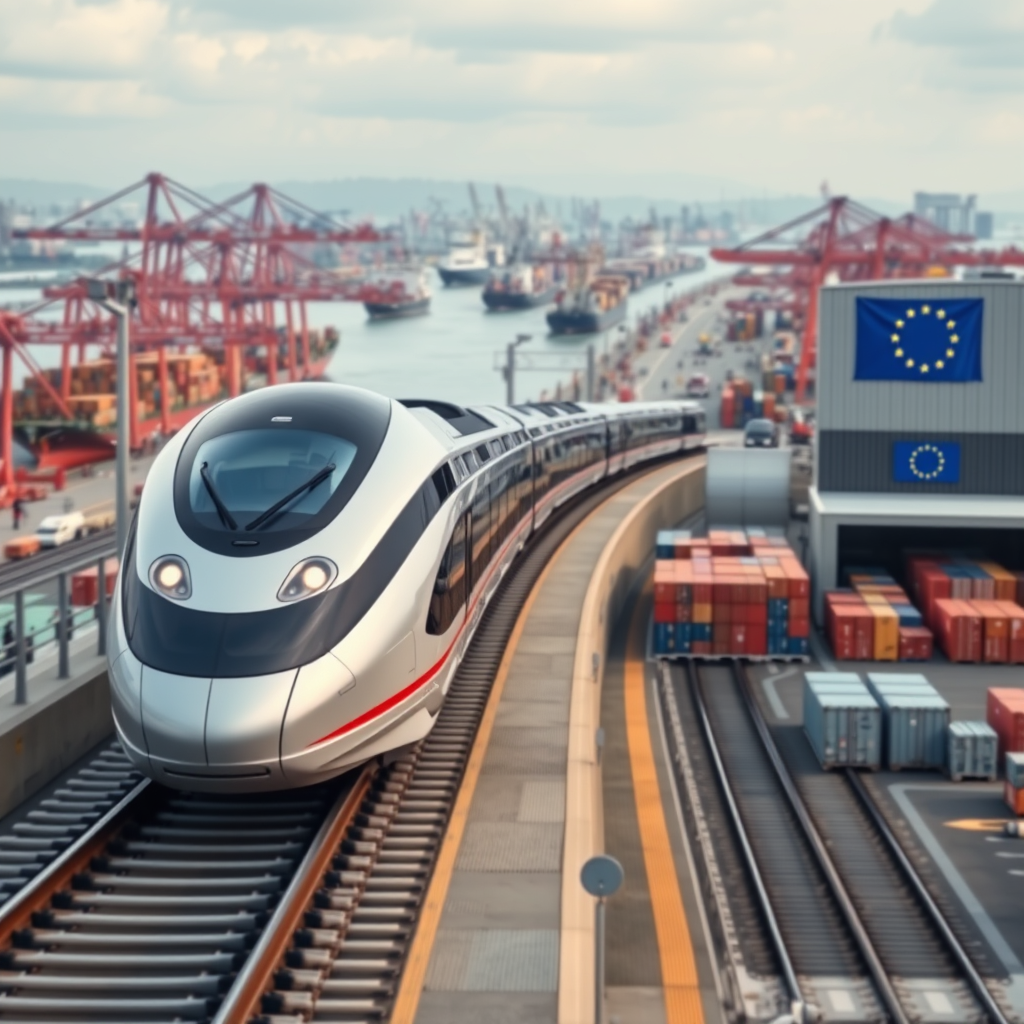
The European Union (EU) faces a critical challenge: balancing the economic necessity of efficient freight transport with the urgent need for environmental sustainability. The sheer volume of goods moved across EU roads annually – a staggering 13.6 billion tonnes in 2022 – underscores the significant environmental impact of road-only transportation. This article explores the EU Commission’s ambitious proposal for a revamped Combined Transport Directive, a cornerstone of the Greening Freight Package adopted in July 2023. This proposal aims to shift freight transport towards more sustainable intermodal solutions, integrating rail, short-sea shipping, and barge transport, while maintaining the efficiency of road transport for first and last-mile delivery. The proposal’s success hinges on several key factors, including technological advancements, effective infrastructure development, and collaborative efforts from stakeholders across the transport sector. This detailed analysis will examine the intricacies of this plan and its potential impact on the future of freight transport within the EU.
The Imperative for Sustainable Freight Transport
The current reliance on road-only freight transportation in the EU generates substantial negative externalities, including greenhouse gas emissions, air and noise pollution, and congestion. These externalities impose significant economic and environmental costs on society. The EU’s commitment to reducing its carbon footprint and achieving climate neutrality necessitates a radical shift towards more sustainable transport modes. The Commission’s proposal directly addresses this need by promoting combined transport (CT) – the integration of two or more modes of transport for a single consignment – as a viable and efficient alternative to road-only transport. This strategy recognizes the limitations of relying solely on road transport while acknowledging its continued role in the first and last mile connectivity of deliveries. This approach seeks an optimal balance between sustainability and operational effectiveness.
The Proposed Combined Transport Directive: A Comprehensive Approach
The updated Combined Transport Directive represents a significant departure from the 1992 version. It sets ambitious targets, aiming to reduce the negative environmental consequences of freight transport by at least 40% compared to road-only transport. Key components of the proposal include incentives for modal shift through reduced door-to-door costs (a 10% reduction targeted within seven years), exemptions from driving bans for combined transport operations to improve terminal and infrastructure utilization, and a continued role for road transport in the first and last-mile delivery. The proposal also highlights the use of Intelligent Transportation Systems (ITS) for optimizing logistics and reducing delays within intermodal operations. The integration of advanced technologies offers considerable potential for improving efficiency and further reducing the environmental impact of freight transport.
Addressing Challenges and Ensuring Implementation
Successfully implementing the proposed Directive requires addressing several challenges. Significant investments in intermodal infrastructure, including rail terminals, inland waterways, and ports, are crucial. This necessitates cooperation between national governments, private sector investors, and the EU itself. Furthermore, harmonizing regulations and standards across different modes of transport and member states is vital to ensure seamless interoperability. The successful integration of technology, specifically ITS, will be a key driver of efficiency and cost reduction. This will require widespread adoption of compatible systems and data sharing frameworks across the entire transport chain. Addressing potential resistance from stakeholders accustomed to road-only transport will be essential for a smooth transition.
Stakeholder Engagement and Future Outlook
The success of this initiative relies heavily on broad stakeholder engagement. Past attempts to reform the Combined Transport Directive (in 1998 and 2017) failed due to a lack of sufficient agreement. This time, the EU Commission is emphasizing dialogue and collaboration with all relevant parties, including transport operators, logistics companies, infrastructure providers, and environmental organizations. A study conducted in 2014 already highlighted the significant demand for support for combined transport from stakeholders. The legislative process – involving scrutiny by the European Parliament and Council – will be crucial in shaping the final version of the Directive. The successful implementation and enforcement of the new Directive, coupled with continued research and development, will be essential in achieving the ambitious environmental targets and promoting a more sustainable and efficient freight transport system within the EU.
Conclusions
The EU Commission’s proposal for a revised Combined Transport Directive is a crucial step towards achieving a more sustainable and competitive freight transport system within the EU. The proposal’s ambitious targets—a 40% reduction in negative environmental impact compared to road-only transport and a 10% reduction in door-to-door costs within seven years—reflect the urgency of transitioning away from a heavy reliance on road transport. The proposal’s success depends on multiple factors, including substantial investment in intermodal infrastructure, seamless integration of advanced technologies like ITS, and effective collaboration among diverse stakeholders. Past failures underscore the importance of proactive stakeholder engagement and consensus-building during the legislative process. While challenges remain, the renewed focus on combined transport, combined with the implementation of the Greening Freight Package, offers a promising path toward a more environmentally friendly and economically efficient freight system, thereby benefiting both the EU’s economy and its citizens. The successful implementation of this plan will require sustained effort and collaboration to overcome potential obstacles and to unlock the full potential of intermodal freight transportation for achieving lasting environmental sustainability. The strategic and long-term vision embedded within this policy provides a strong foundation for a healthier and more resilient future for European freight transport.
RELATED POSTS

July 15, 2025 11:33 pm
GTR and Siemens upgrade Class 717 trains with digital signalling,...

October 6, 2025 2:54 pm
Stadler & FAL unveil Europe's first custom **battery-electric trains**! These...

October 8, 2013 10:41 am
Siemens has unveiled a full-sized train prototype featuring a smaller-profile...

July 9, 2025 8:34 am
EU report highlights progress, challenges in unified European rail network....
June 4, 2025 12:01 pm
Estonian Railways is electrifying the Tartu line! This EUR 500...

May 27, 2019 10:09 am
Bombardier's using 3D printing to revolutionize rail manufacturing! Slash...