
EU Funds Poland’s Rail Revolution: €604M Modernization
The European Union is investing €604 million in Poland’s railway network through two projects: upgrading the country’s 14,000-kilometer track with ERTMS technology to enhance safety and efficiency, and electrifying and upgrading 46 kilometers of lines in northern Silesia for improved connectivity and economic growth.
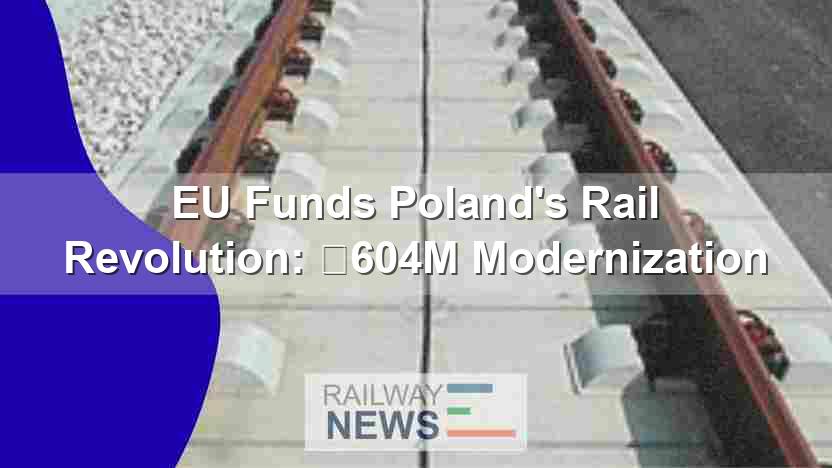
This article explores the significant investment by the European Union (EU) in modernizing Poland’s railway network. A substantial €604 million has been allocated from the European Union Cohesion Fund, focusing on two key projects. The first aims to overhaul Poland’s railway communication systems across approximately 14,000 kilometers of track, incorporating modern European Rail Traffic Management System (ERTMS) technology. This ambitious undertaking promises enhanced passenger safety, reduced travel times, and seamless integration into the broader European rail network. The second project centers on the electrification and upgrade of 46 kilometers of railway lines in northern Silesia, encompassing station renovations, platform improvements, and the construction of new viaducts and bridges. This project will directly connect Katowice, the regional capital, with Pyrzowice Airport, boosting local economic growth and streamlining freight transport. This investment is not isolated but rather part of a broader EU strategy to stimulate economic development and infrastructure improvements across member states, particularly those benefiting from Cohesion Policy funding. We will examine the specifics of each project, their impact on the Polish economy, and the wider implications for European rail integration.
Modernizing Poland’s Railway Communication System
The core of the €487 million investment focuses on the modernization of Poland’s railway communication system. This involves replacing outdated technology across nearly 14,000 kilometers of track. The implementation of ERTMS (European Rail Traffic Management System) is a critical element of this project. ERTMS is a crucial technology for enhancing safety and efficiency by providing a standardized signaling and train control system across Europe. This upgrade will significantly improve interoperability within the EU rail network, enabling smoother cross-border train operations and increased freight capacity. The transition to ERTMS requires significant technical expertise and infrastructure changes, including the installation of new trackside equipment and onboard train systems. The project’s success hinges on effective project management, robust testing procedures, and extensive staff training to ensure safe and efficient operation of the new system.
Electrification and Upgrades in Northern Silesia
Complementing the communication system upgrade, €117 million has been earmarked for the electrification and modernization of a 46-kilometer stretch of railway line in northern Silesia. This section will see significant improvements, including the construction of a new station at Pyrzowice Airport, providing direct rail access to the airport from Katowice. The modernization extends to the refurbishment or construction of platforms, viaducts, and bridges. Electrification is crucial for reducing reliance on diesel locomotives, lowering carbon emissions and enhancing operational efficiency. The strategic location of this project, connecting a major airport and regional capital, underscores its importance in fostering economic development and improved regional connectivity. The project’s success will depend on effective coordination between construction teams, efficient resource management, and meticulous adherence to safety standards throughout the construction phase.
Broader Economic and Societal Impacts
The EU investment extends beyond mere infrastructure upgrades; it represents a commitment to stimulating economic growth and improving quality of life in Poland. The modernized rail network will enhance freight transport efficiency, reducing costs for businesses and supporting economic activity. Improved passenger transport, with reduced travel times and enhanced safety, benefits commuters and tourists alike. The creation of jobs during the construction and operational phases of these projects provides a direct economic boost. Additionally, the improved connectivity facilitated by the rail upgrades will attract further investment and support the growth of businesses and industries across the region. The strategic integration of Poland’s railway network into the European system signifies a step towards a more interconnected and efficient European transportation network.
Conclusion
The €604 million EU investment in Poland’s railway infrastructure represents a significant commitment to modernizing the country’s transportation system and integrating it into the broader European network. The two key projects – the detailed upgrade of the railway communication system incorporating ERTMS and the electrification and modernization of the northern Silesian line – promise substantial benefits. These improvements are expected to enhance passenger safety, reduce travel times, boost economic development, and streamline freight transportation. The modernization will lead to increased efficiency, reduced environmental impact, and strengthened connectivity within Poland and across the EU. The success of these projects relies on careful planning, efficient project management, and the effective implementation of cutting-edge technologies like ERTMS. Beyond the immediate impact, these upgrades are symbolic of a broader EU commitment to supporting economic growth and infrastructure development in its member states, particularly those still benefiting from Cohesion Policy funding. The long-term effects will likely include improved competitiveness, increased tourism, and enhanced overall quality of life for the Polish population. The projects serve as a model for similar infrastructure initiatives across Europe, showcasing the potential for strategic investment in transportation to drive economic growth and foster regional development. The seamless integration of the Polish rail network into the pan-European system will ultimately benefit not only Poland but also the wider European community.

Railway infrastructure, rolling stock and transport technologies specialist focused on global rail industry developments, high-speed rail systems, signaling technologies and freight transportation. Covering railway investments, public transport modernization, rail operations and international mobility projects across Europe, Asia and North America.
RELATED POSTS

June 2, 2026 8:44 am
⚡ In Brief: The UK Office of Rail and Road...
June 2, 2026 10:31 am
⚡ In Brief: The UK’s Office of Rail and Road...
June 2, 2026 11:37 am
⚡ In Brief: The UK’s Office of Rail and Road...
June 4, 2026 6:22 pm
Network Rail and HS2 demolishes two strategic rail bridges, Saltley...
June 1, 2026 6:57 pm
Amtrak confirmed the delivery of its first Airo trainset for...
June 1, 2026 10:58 pm
MARTA completed 8 Atlanta station upgrades and new Breeze fare...