
Ely Rail Upgrade: Capacity, Community, & Resilience

Enhancing Railway Capacity: The Ely Area Capacity Enhancement (EACE) Programme and Lessons from Recent Network Rail Projects
This article examines the critical need for railway capacity improvements, focusing on the Ely Area Capacity Enhancement (EACE) Programme in the UK and drawing parallels with recent Network Rail projects, such as the restoration of the Edinburgh-Glasgow Line following flood damage. The EACE programme highlights the complexities of balancing increased rail traffic demands with the needs of local communities. We will explore the planned improvements, the public consultation process, and the importance of community engagement in such large-scale infrastructure projects. Furthermore, the successful and rapid repair of the Edinburgh-Glasgow Line exemplifies the engineering expertise and responsiveness required in managing unexpected disruptions to vital railway infrastructure. Understanding these case studies offers valuable insight into the challenges and opportunities facing railway networks striving for improved efficiency, resilience, and passenger satisfaction. The analysis will demonstrate the importance of proactive planning, effective communication, and agile engineering capabilities to ensure the seamless operation of modern railway systems.
The Ely Area Capacity Enhancement (EACE) Programme
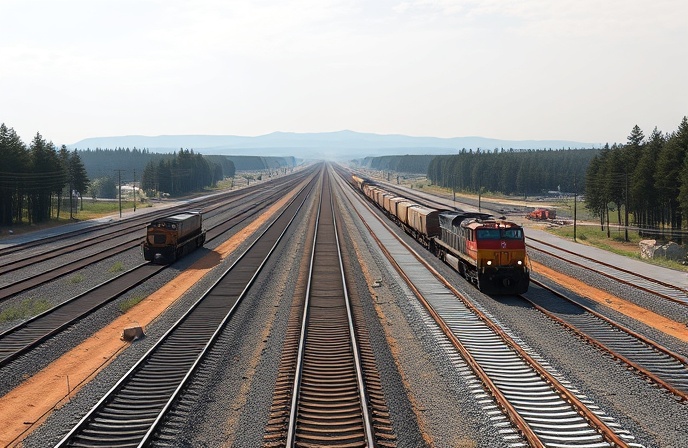
Network Rail’s EACE programme aims to significantly enhance rail capacity in the Ely area. This crucial upgrade will enable the efficient movement of a greater number of trains, facilitating improved passenger services and supporting increased rail freight transportation between key locations such as the Port of Felixstowe, the West Midlands, and the north of England. The increased capacity is essential to meet growing demands for both passenger and freight transport, addressing congestion and improving overall network efficiency. This project underscores the necessity for strategic planning and investment in infrastructure to accommodate the future needs of the rail network. The success of the EACE program hinges on effectively managing the complexities of upgrading existing infrastructure while minimizing disruption to existing services. The programme’s impact extends beyond simple increased train numbers; it has the potential to significantly improve journey times, reduce delays, and contribute to the overall reliability of the railway network.
Public Consultation and Community Engagement
Network Rail’s commitment to transparent public consultation is a key element of the EACE programme. A six-week public consultation period, conducted remotely in response to the COVID-19 pandemic, allowed residents and businesses to review the proposals and provide feedback. This participatory approach acknowledges the significant impact infrastructure projects can have on local communities. Open communication fosters trust and understanding, enabling Network Rail to address concerns, incorporate valuable insights, and ultimately develop a more acceptable and sustainable solution. The success of this community engagement strategy hinges upon the effective dissemination of information and the establishment of accessible channels for feedback and dialogue. Building strong relationships with local communities is crucial for securing their support and mitigating potential conflict during project implementation.
Lessons from the Edinburgh-Glasgow Line Restoration
The swift restoration of the Edinburgh-Glasgow Line after severe flood damage provides a compelling example of Network Rail’s engineering capabilities and rapid response mechanisms. The successful completion of repairs within a significantly shorter timeframe than initially projected highlights the expertise and dedication of Network Rail’s engineering teams. The project involved extensive works, including rebuilding track foundations, laying a kilometer of new double-track railway, relaying 3,000 meters of signalling cables, and installing two new twin-track overhead power gantries. This exemplifies the importance of robust infrastructure design, proactive maintenance strategies, and readily available resources to manage and recover from unexpected disruptions. This rapid response not only minimized disruption to passenger and freight services but also demonstrated the resilience of the rail network and the competence of its operators.
Strategic Planning and Infrastructure Investment
Both the EACE programme and the Edinburgh-Glasgow Line restoration highlight the importance of strategic planning and investment in railway infrastructure. The EACE programme represents a proactive approach to addressing future capacity needs, while the Edinburgh-Glasgow Line restoration emphasizes the need for resilience and rapid response capabilities to manage unforeseen events. Sustained investment in both capacity enhancements and maintenance is vital for maintaining a safe, efficient, and reliable railway network. These investments must be based on thorough assessments of future demands, technological advancements, and environmental considerations. Effective long-term planning minimizes disruption and maximizes the return on investment, leading to enhanced operational efficiency and improved passenger and freight services.
Conclusions
The Ely Area Capacity Enhancement (EACE) programme and the rapid repair of the Edinburgh-Glasgow Line offer valuable insights into the challenges and opportunities facing modern railway networks. The EACE programme underscores the importance of proactive capacity planning to meet growing transportation demands, emphasizing the need for integrated approaches that balance operational efficiency with community engagement. The successful and expeditious repair of the flood-damaged Edinburgh-Glasgow Line highlights the critical role of robust infrastructure design, agile engineering capabilities, and effective crisis management. The collaborative effort between Network Rail and the impacted communities, demonstrated through the EACE programme’s public consultation, is crucial for ensuring the successful implementation of major railway projects. Furthermore, the lessons learned from these projects underline the necessity for continuous investment in infrastructure upgrades, maintenance, and operational resilience to ensure a safe, reliable, and efficient railway system capable of meeting the evolving needs of passengers and freight transport in the future. The future of rail transport relies on a strategic blend of forward planning, community engagement, and robust engineering expertise to overcome challenges and provide safe, effective, and sustainable services.
RELATED POSTS
November 16, 2019 8:49 am
This article explores the significant modernization underway on the Docklands...
September 28, 2025 4:54 am
**The Port of Longview secures a $35.9M TIFIA loan to...
March 5, 2020 8:36 am
This article delves into the significant contract awarded by the...
January 3, 2018 12:15 am
Revolutionize your railway with modernized infrastructure, cutting-edge technology, and sustainable...

RTI Railtrans enters the Romanian **rail freight** market by acquiring...
September 22, 2012 5:53 pm
Seville Metro's Line 1 opens, showcasing advanced railway technology including...