
Electrification’s Impact: TRAXX Locomotives & Rail Efficiency
Electrification is revolutionizing railway efficiency. Discover how TRAXX electric locomotives optimize operations and reduce emissions!

Electrification’s Impact on Railway Efficiency and Infrastructure
The railway industry is undergoing a significant transformation, driven by the increasing adoption of electric traction systems. This shift presents both opportunities and challenges for railway operators, requiring substantial investments in infrastructure and operational strategies. This article will delve into the multifaceted impact of electrification on railway efficiency and the crucial infrastructure upgrades necessary for its successful implementation. From optimized energy usage and reduced emissions to enhanced safety and capacity, the transition to electric locomotives represents a pivotal moment in railway history. Understanding the intricacies of this process is essential for stakeholders seeking to adapt to the evolving landscape of rail transportation.
The Advantages of Electrification
Electric locomotives offer numerous advantages over their diesel counterparts. The most significant is the reduction in operational costs associated with fuel. Electricity, when sourced from renewable sources, can drastically decrease the carbon footprint of rail operations. Electric systems offer enhanced reliability and lower maintenance costs in the long run due to fewer moving parts. Furthermore, electric locomotives often possess superior acceleration and braking performance, leading to improved transit times and punctuality, which significantly enhance the competitiveness of rail transport against other modes of freight delivery.
Infrastructure Upgrades: A Critical Component
The transition to electric traction necessitates substantial investments in dedicated infrastructure. This includes the construction or upgrading of overhead power lines, substations, and electrification control systems. Implementing advanced signaling and communication systems to ensure compatibility with electric operations is also critical. Proper assessment and integration of these infrastructure components are fundamental to the success of electrification projects, which must consider factors such as the existing rail network’s layout, terrain, and future growth projections. This requires detailed engineering analysis and careful planning to ensure efficient and safe integration of the electric infrastructure.
Optimizing Operational Efficiency with TRAXX Electric Locomotives
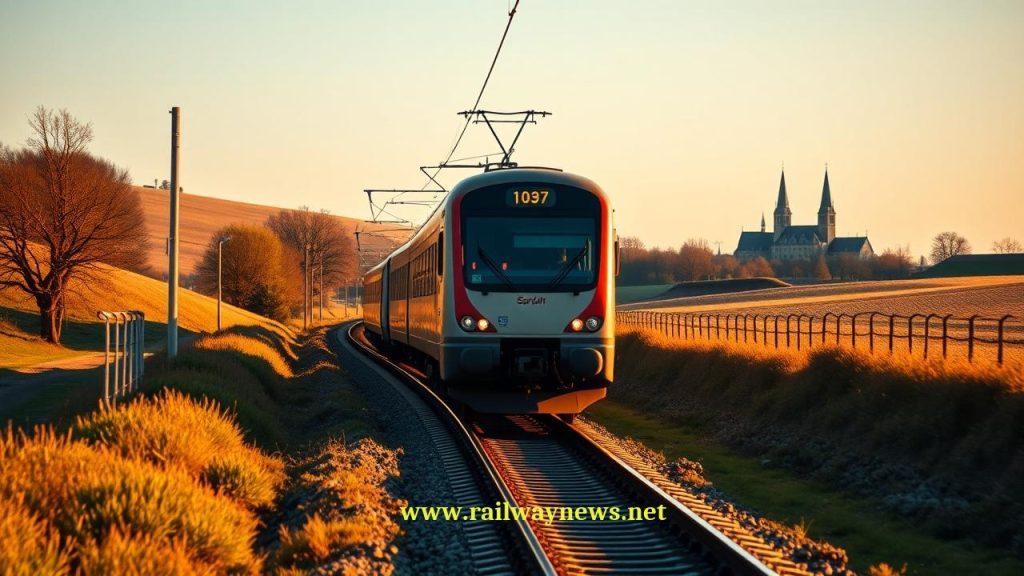
The introduction of specialized electric locomotives, such as the TRAXX electric locomotives, further enhances the operational efficiency of electrified railway systems. These locomotives combine advanced technologies with robust design, offering superior performance in terms of power output and energy management. The integration of these locomotives into the existing railway network demands careful coordination with operational procedures and crew training, to ensure smooth and efficient transition. Furthermore, the maintenance strategies for these advanced locomotives require specialized expertise, impacting training requirements for railway staff. Such integrated solutions, including dedicated maintenance routines, have a direct correlation on reducing potential maintenance downtime and operational disruptions. Integrating these advanced locomotives requires careful consideration of existing railway infrastructures, ensuring their full compatibility.
Conclusion: Shaping the Future of Rail Transport
The shift towards electrified railway systems presents a pivotal moment in the evolution of rail transport. The introduction of TRAXX electric locomotives is a prime example of how technological advancements are revolutionizing railway operations. While the initial investment in infrastructure upgrades can be substantial, the long-term benefits in terms of cost savings, reduced emissions, and increased efficiency are undeniable. Successful implementation requires a comprehensive approach, encompassing meticulous infrastructure planning, optimized operational procedures, and comprehensive training of railway staff. The careful integration of new technologies, such as TRAXX electric locomotives, is critical for maximizing the benefits of electrification. This comprehensive approach ensures a smooth transition, minimizing disruptions and maximizing the long-term sustainability and efficiency of railway operations. Railways that embrace electrification are well-positioned for success in a competitive transportation landscape. The future of rail transport hinges on the successful integration of these critical elements, making electrification a crucial component in the modernization of railway networks globally. Furthermore, the environmental advantages, particularly when incorporating renewable energy sources in the power generation process, present significant long-term sustainability benefits to the rail sector.
Furthermore, the introduction of advanced signaling and communication systems ensures safe and efficient operation of electrified railway systems. By addressing these infrastructure challenges with careful planning and meticulous implementation, railway companies can maximize the potential benefits of electrification, enhancing their overall competitiveness and sustainability in the long term. Electrification will fundamentally change how railways operate, emphasizing the importance of strategic planning, collaboration between stakeholders, and continuous adaptation to emerging technologies.
Ultimately, the transition to electrified railway systems represents a long-term commitment to modernization and environmental sustainability. By understanding the intricate interplay between infrastructure upgrades, operational efficiencies, and the integration of advanced locomotives like TRAXX, railway companies can pave the way for a more efficient, sustainable, and environmentally responsible future for rail transport.
You might be interested in:
Last March 2019, we covered the topic of CN’s major Saskatchewan rail upgrade project. Click here to read – CN’s $183.7M Saskatchewan Rail Upgrade: Capacity, Efficiency & Growth
RELATED POSTS
April 1, 2026 8:45 am
Renfe Alquiler finalized a 15-year lease for ex-DB coaches with...