
Egypt’s 2,000km High-Speed Rail: A Siemens Revolution

This article examines the significant contract awarded to Siemens Mobility for the construction of a vast high-speed rail network in Egypt. This project, encompassing approximately 2,000 kilometers (km) of track, represents a monumental undertaking, poised to reshape Egypt’s transportation landscape and solidify its position as a regional leader in modern rail infrastructure. The project’s scope extends beyond simply laying tracks; it involves the supply of advanced rolling stock, sophisticated signaling systems, and comprehensive electrification, reflecting a commitment to cutting-edge technology and sustainable transportation solutions. The implications of this project are far-reaching, impacting economic development, regional connectivity, and Egypt’s overall standing in the global railway industry. We will delve into the specifics of the contract, the technological advancements employed, the economic and social benefits anticipated, and the broader geopolitical context of this ambitious venture.
The Scope and Magnitude of the Project
The contract awarded to Siemens Mobility, in consortium with Orascom Construction and The Arab Contractors, covers the construction of a three-line high-speed rail network spanning approximately 2,000 km across Egypt. This includes the “Suez Canal on Rails” line (660 km), connecting Ain Sokhna on the Red Sea to Marsa Matrouh and Alexandria on the Mediterranean; a Cairo-Abu Simbel line (approximately 1,100 km); and a Luxor-Hurghada line (225 km) linking significant tourist and heritage sites. The sheer scale of this project makes it one of the largest high-speed rail projects globally, positioning Egypt as a key player in the advancement of high-speed rail technology in Africa and the Middle East. The project highlights Egypt’s commitment to modernizing its infrastructure and improving intercity connectivity.
Technological Advancements and Rolling Stock
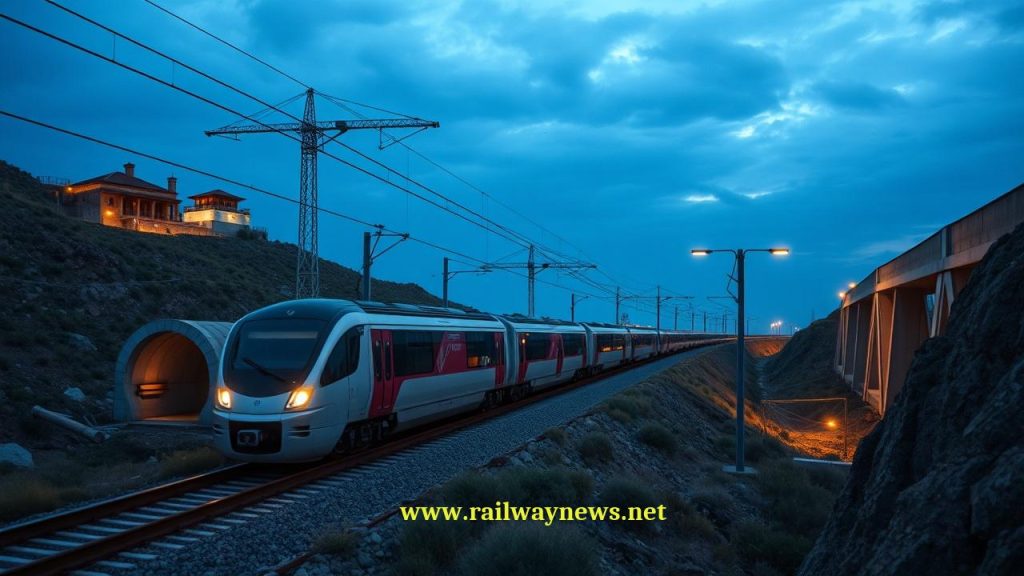
Siemens Mobility’s contribution involves supplying state-of-the-art rolling stock, signaling systems, and power infrastructure. This includes 41 Velaro eight-car high-speed trains, known for their speed and passenger comfort; 94 Desiro high-capacity four-car regional train sets, suitable for regional and suburban services; and 41 Vectron freight locomotives, demonstrating a comprehensive approach to both passenger and freight transport. The integration of a cutting-edge signaling system ensures safe and efficient train operations, maximizing throughput and minimizing delays. The use of electric traction signifies a commitment to environmentally conscious transportation, reducing carbon emissions compared to diesel-powered alternatives. This technological prowess underscores Egypt’s commitment to embracing sustainable and efficient transportation solutions.
Economic and Social Impacts
The project’s economic impact is projected to be substantial. The creation of thousands of jobs during construction and operation will stimulate economic growth in Egypt. Improved transportation infrastructure will facilitate trade, tourism, and regional integration, fostering economic development in previously underserved areas. Reduced travel times will increase productivity and improve access to essential services, particularly for those residing in remote regions. The enhanced connectivity fostered by the high-speed rail system will stimulate tourism, creating further economic opportunities and potentially transforming the lives of many Egyptians. Faster and more efficient transportation will improve the logistics and supply chains of businesses operating in Egypt.
Geopolitical Significance and Future Implications
The construction of this extensive high-speed rail network has significant geopolitical implications. It strengthens Egypt’s position as a regional transportation hub, improving connectivity with neighboring countries and facilitating trade within Africa and the Middle East. The project represents a substantial investment in national infrastructure, reflecting Egypt’s commitment to long-term economic development and its ambition to become a major player in the global railway sector. This ambitious undertaking showcases Egypt’s economic progress and its potential as a leader in developing modern and efficient transportation systems. The project’s success could serve as a model for similar projects across the African continent and the broader Middle East.
Conclusions
The Siemens Mobility contract for the construction of Egypt’s extensive high-speed rail network marks a pivotal moment in Egyptian infrastructure development. The project’s scale, technological sophistication, and potential economic and social benefits are unprecedented. The three-line network, incorporating Siemens’ advanced rolling stock (Velaro, Desiro, and Vectron), state-of-the-art signaling, and electrification, will fundamentally transform Egypt’s transportation landscape. The project is not just about constructing a rail line; it is about fostering economic growth, improving regional connectivity, stimulating tourism, and enhancing the quality of life for millions of Egyptians. Beyond its immediate impacts, the project holds significant geopolitical implications, solidifying Egypt’s position as a regional leader and showcasing its commitment to modern infrastructure development. The success of this project will not only benefit Egypt but will also serve as a significant example for other countries seeking to modernize their transportation systems and drive economic growth through strategic infrastructure investments. The project’s implementation will undoubtedly bring numerous challenges, but its potential to reshape Egypt’s economic and social fabric is immense, promising a brighter future for the nation.
RELATED POSTS
March 9, 2023 11:32 am
This article delves into the significant role of Acciona, a...
June 17, 2025 3:01 pm
Alstom Partners with Outokumpu to Pioneer Low-Carbon Stainless Steel for...
April 26, 2023 9:57 pm
The Severn Valley Railway (SVR): A Case Study in Heritage...
April 24, 2022 10:04 pm
Greater Anglia’s Modernization: The Introduction of Class 720 AVENTRA Trains...
February 2, 2026 2:39 pm
Albania's Durrës–Tirana railway electrification project secures a EUR 13.2 million...

July 9, 2025 1:34 pm
French rail industry anticipates revenue growth, fueled by government investment....