
ECRL Resumption: Malaysia-China Rail Deal, Cost Cuts & BRI Impact
The East Coast Rail Link (ECRL) is back on track! Cost-cutting measures slashed the budget, proving international collaboration can deliver efficient, large-scale infrastructure projects.
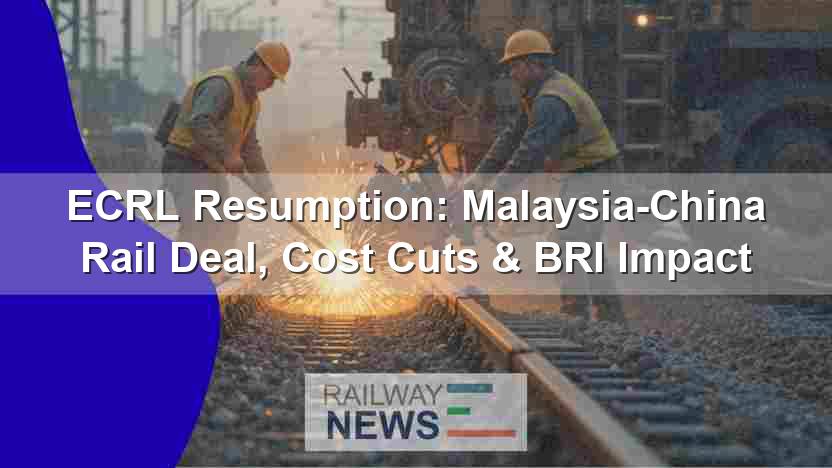
This article examines the renegotiated agreement between Malaysia and China to resume construction of the East Coast Rail Link (ECRL), a significant infrastructure project within Malaysia. The initial project faced significant challenges, primarily concerning its substantial cost and potential impact on Malaysia’s national debt. This led to its suspension and subsequent renegotiations aimed at reducing the project’s scope and overall financial burden. We will analyze the factors contributing to the initial suspension, the key terms of the revised agreement, the implications for Malaysia’s economic development and debt management, and the broader geopolitical context within the Belt and Road Initiative (BRI). The successful renegotiation demonstrates the importance of international collaboration in managing large-scale infrastructure projects and highlights the complexities of balancing national interests with global economic initiatives.
Project Suspension and Renegotiation
The ECRL project, originally conceived as a 688km rail line connecting Port Klang to Pengkalan Kubor, was suspended due to its high cost, estimated at MYR65.5 billion (approximately $16 billion USD). This cost was deemed unsustainable by the Malaysian government, raising concerns about increased national debt and potential economic instability. The suspension prompted extensive negotiations with the Chinese contractor, China Communications Construction Company (CCCC), leading to the termination of the original contract and a significant restructuring of the project.
Revised Agreement and Cost Reductions
The revised agreement significantly altered the project’s parameters. The total length was reduced by 40km to 648km, a substantial decrease impacting both the construction time and the overall material requirements. More critically, the project’s cost was slashed to MYR44 billion (approximately $10.7 billion USD), nearly two-thirds of the original estimate. This reduction was achieved through a combination of route optimization, revised specifications, and renegotiated contract terms with CCCC. The cost per kilometer also decreased significantly, reflecting the efficiencies implemented in the revised plan. The new financing structure and interest rates were further details to be released following the agreement’s signing.
Economic and Geopolitical Implications
The resumption of the ECRL holds significant economic implications for Malaysia. The project is expected to stimulate economic growth in the East Coast region, improving connectivity, facilitating trade, and creating numerous jobs. However, the project’s impact on Malaysia’s debt levels remains a crucial consideration. While the cost reduction is substantial, careful financial management is crucial to ensure the project’s long-term viability and does not strain the nation’s finances. The project also sits within the framework of China’s BRI, underscoring the complex interplay between national economic priorities and international strategic partnerships.
Long-Term Viability and Future Considerations
The success of the renegotiated ECRL depends on several factors. Effective project management, transparent financial accounting, and adherence to the revised timeline are crucial. Continuous monitoring of costs and potential risks is essential to ensure the project remains within budget and avoids further delays. Additionally, the long-term economic benefits of the ECRL need to be carefully evaluated against the initial investment and ongoing operational costs. Regular assessments and adjustments, if necessary, are vital to maintaining the project’s sustainability and realizing its intended economic impact.
Conclusions
The resumption of the East Coast Rail Link (ECRL) project following a significant renegotiation between Malaysia and China represents a pivotal moment in Malaysian infrastructure development. The initial suspension, driven by concerns over the project’s exorbitant cost and potential debt implications, necessitated a detailed review and a substantial restructuring of the project. The revised agreement, significantly reducing both the scope and the cost, demonstrates the ability of both nations to find mutually beneficial solutions to complex infrastructural challenges. The reduced cost to MYR 44 billion represents a considerable achievement in cost-optimization strategies. While the project holds significant potential for regional economic growth and improved connectivity, Malaysia must maintain vigilance in managing its financial commitments to ensure the long-term viability of the ECRL within the broader context of its national debt and economic stability. The success of this project will serve as a case study in effectively managing large-scale international infrastructure projects, demonstrating the importance of clear communication, flexible negotiation, and a commitment to sustainable development. The ECRL’s ultimate impact will be felt not only in Malaysia’s economic landscape but also in the wider context of China’s Belt and Road Initiative (BRI), influencing future collaborations in infrastructure development globally. Continuous monitoring and evaluation of the project are paramount to achieving its projected benefits while mitigating potential risks and ensuring its long-term sustainability. The agreement serves as a crucial lesson in balancing national economic priorities with the opportunities and challenges presented by large-scale international infrastructure partnerships.

Railway infrastructure, rolling stock and transport technologies specialist focused on global rail industry developments, high-speed rail systems, signaling technologies and freight transportation. Covering railway investments, public transport modernization, rail operations and international mobility projects across Europe, Asia and North America.
RELATED POSTS

September 6, 2026 5:19 am
Hitachi delivered Taiwan's first N700ST high-speed train from Japan in...

September 6, 2026 1:17 am
Hitachi Toshiba Supreme Consortium confirmed the first of 12 N700ST...

September 6, 2026 6:17 am
Hungary ordered a national ban on most freight trains from...

September 5, 2026 4:19 pm
CPK launched formal tender talks with four consortia to design...

September 6, 2026 4:12 am
Alstom delivered the first of 100 new G Class trams...

September 5, 2026 7:14 pm
HS2 Ltd signed renegotiated civils contracts with EKFB and Align...