
East Palestine Derailment: Safety, Liability, & Fallout
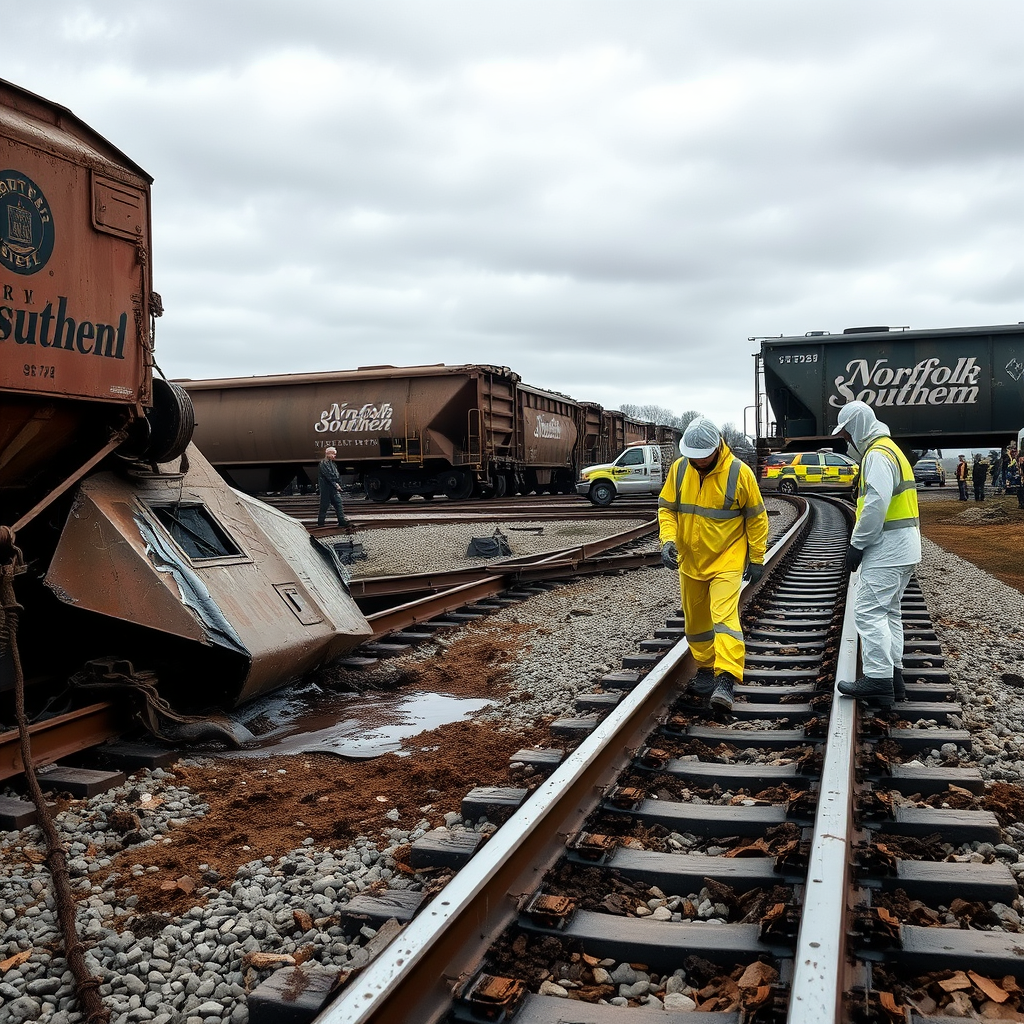
The Norfolk Southern East Palestine Derailment: A Case Study in Railway Safety and Liability
The February 2023 derailment of a Norfolk Southern (NS) train in East Palestine, Ohio, resulted in a significant release of hazardous materials, sparking widespread environmental concerns and prompting extensive legal action. This event serves as a critical examination of railway safety protocols, environmental remediation strategies, and corporate liability in the aftermath of a major industrial accident. This article will analyze the multifaceted consequences of the derailment, focusing on the subsequent legal settlements, the environmental impact, and the implications for future railway safety regulations. We will delve into the details of the $300 million settlement with federal authorities and the $600 million settlement with affected residents, exploring the complexities of assigning responsibility and ensuring adequate compensation for the damages incurred. Further, we will consider the long-term environmental monitoring and remediation efforts necessary to address the lingering health and ecological risks posed by the released chemicals. The ultimate goal is to understand how this incident can inform improved safety measures and preventative strategies within the railway industry, ultimately contributing to a safer and more resilient transportation system.
The Legal and Financial Fallout
The Norfolk Southern derailment triggered a cascade of legal and financial ramifications. The company ultimately agreed to a substantial settlement exceeding $900 million, encompassing payments to federal agencies (Department of Justice (DOJ), Environmental Protection Agency (EPA), and Department of the Interior (DOI)) and the affected East Palestine community. The breakdown of this settlement included significant funds allocated to a six-point safety plan, EPA cleanup reimbursements, civil penalties, environmental remediation projects, and long-term water monitoring programs. The establishment of a Community Health Program highlights the ongoing concern for the health and well-being of residents exposed to hazardous materials. This settlement, while substantial, underscores the immense cost associated with major railway accidents, encompassing not only immediate cleanup and remediation but also long-term monitoring and community support.
Environmental Remediation and Long-Term Impacts
The release of hazardous substances, including vinyl chloride, resulted in significant environmental contamination. The EPA led extensive cleanup efforts, and the settlement included substantial funds for these operations. However, the long-term environmental consequences require ongoing monitoring. Groundwater and drinking water sources need continuous surveillance to assess the persistence of contaminants and the potential for future impacts. The ecological effects on the surrounding environment, including soil and aquatic ecosystems, require further evaluation and potentially, long-term remediation strategies. The incident highlights the necessity for robust emergency response plans and the importance of environmentally-friendly cleanup technologies for handling hazardous materials released during railway accidents.
Regulatory Reform and Safety Enhancements
The East Palestine derailment has focused attention on the need for enhanced railway safety regulations and improved industry practices. The incident prompted scrutiny of existing regulations, including those concerning hazardous material transportation and emergency response protocols. The six-point safety plan mandated as part of the settlement demonstrates a commitment to improving safety practices. However, fundamental questions remain about the effectiveness of current regulatory frameworks and the need for stricter oversight of hazardous material transportation. The emphasis should be on preventative measures, such as improved track maintenance, advanced braking systems, and enhanced derailment prevention technologies. Moreover, investment in comprehensive training programs for railway personnel is crucial to ensure a high level of competency in handling hazardous materials and responding to emergency situations.
Conclusions
The Norfolk Southern East Palestine derailment stands as a stark reminder of the potential consequences of railway accidents involving hazardous materials. The substantial financial settlements, both with federal agencies and affected residents, reflect the immense cost associated with such events. Beyond the immediate financial burden, the incident demands a comprehensive reassessment of railway safety regulations and industry practices. The long-term environmental monitoring and remediation efforts underscore the persistent risks associated with the release of hazardous substances. To prevent future catastrophes, a multi-pronged approach is necessary. This approach includes stricter regulations on hazardous material transport, investment in advanced safety technologies, robust emergency response protocols, and enhanced training programs for railway personnel. The East Palestine tragedy serves as a critical case study in the need for proactive safety measures and the long-term responsibility associated with environmental protection and community well-being in the railway industry. Moving forward, a collaborative effort between regulatory agencies, railway operators, and community stakeholders is crucial to ensure a safer and more sustainable railway transportation system. The lessons learned from this devastating event must be used to drive meaningful change and prevent similar incidents from occurring in the future. The emphasis on preventative measures, technological advancements, and comprehensive training will be key to building a more resilient and safer railway network.
RELATED POSTS

October 11, 2025 12:54 am
SMART-TD raises **drone safety** concerns with the FAA. The union...

November 1, 2024 11:03 am
Scheduled to open in 2027, it will support Amtrak’s Acela,...
February 15, 2011 8:21 am
Amtrak has unveiled plans to procure 40 additional coach cars...
October 23, 2025 8:54 pm
Union Pacific's third-quarter results reveal positive news! The major **railroad**...
July 2, 2025 6:33 pm
Caltrain raises fares 25 cents to combat budget shortfall. ...

September 29, 2016 1:11 pm
Here's a voiceover-friendly excerpt for railway professionals:"The Port of Long...