
East Midlands Rail Franchise: Modernization & Innovation
Shape the future of rail! The East Midlands franchise modernization offers massive upgrades: new trains, increased capacity, and improved services. Discover how!
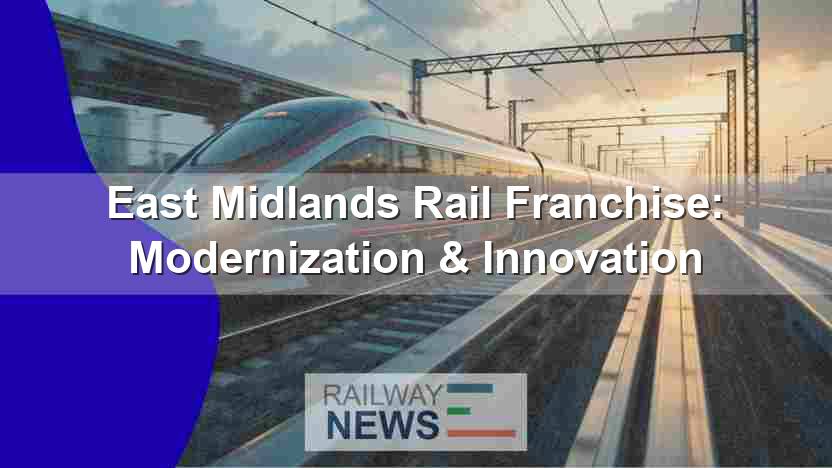
The United Kingdom’s Department for Transport (DfT) has initiated a tender process for the East Midlands rail franchise, signifying a pivotal moment in the evolution of Britain’s railway network. This franchise, encompassing intercity and regional passenger services connecting London, the East Midlands, Yorkshire, and central England, presents a significant opportunity to modernize rail infrastructure and improve passenger experience. This article will delve into the key aspects of this tender, examining the improvements promised, the challenges involved, and the broader implications for the UK rail system. We will explore the technological advancements, operational enhancements, and infrastructural improvements planned for this crucial railway line, highlighting the potential impact on passenger satisfaction and the economic benefits for the region. The successful bidder will not only manage day-to-day operations but also play a crucial role in the ongoing modernization of the Midland Main Line, a project representing the most substantial upgrade since its completion in 1870. The scale of investment and the detailed specifications outlined by the DfT underscore the government’s commitment to improving the UK’s rail infrastructure and the passenger experience.
Modernizing Rolling Stock and Increasing Capacity
A central tenet of the East Midlands franchise bid is the introduction of a new fleet of bi-mode trains (trains capable of running on both electrified and non-electrified lines). This technological upgrade promises enhanced reliability and flexibility, crucial for a network serving diverse geographical areas. Beyond the technological improvements, the winning bidder is tasked with significantly increasing seating capacity during peak hours, aiming for a nearly 50% increase. This substantial expansion directly addresses a common complaint among passengers: overcrowding. The increased capacity is designed to alleviate congestion and provide a more comfortable travel experience, thus improving passenger satisfaction and potentially encouraging increased ridership.
Service Frequency and Operational Enhancements
The DfT’s specifications extend beyond rolling stock upgrades. The new franchise operator is expected to boost service frequency on several routes, including the addition of an hourly service between Corby and London. This increased frequency significantly improves accessibility and convenience for commuters and travelers. Further operational improvements include expanding Sunday services, a vital aspect in accommodating the growing demand for weekend travel. The implementation of high-quality Wi-Fi and mobile connectivity on all trains represents a substantial enhancement to passenger comfort and productivity during journeys.
Improving Passenger Amenities and Station Facilities
The tender places a strong emphasis on improving the overall passenger experience. Beyond increased frequency and connectivity, the successful bidder is responsible for enhancing seating and luggage storage on trains. These relatively simple improvements can dramatically enhance passenger comfort, especially on longer journeys. In addition to on-board enhancements, the franchise will also contribute to improvements at stations, creating a more welcoming and efficient environment for passengers. These combined improvements—from enhanced onboard amenities to improved station facilities—demonstrate a holistic approach to improving the overall rail travel experience.
Collaboration and Future Outlook
The successful operator will work closely with Network Rail, the organization responsible for managing and maintaining Britain’s rail infrastructure. This collaboration is essential for coordinating the implementation of planned infrastructure improvements, ensuring that the new rolling stock and operational enhancements can be seamlessly integrated into the existing system. The DfT’s commitment to a 12-week public consultation on the next Cross Country franchise, and the establishment of a Stations Improvement Fund, further highlights a commitment to a collaborative, transparent, and customer-focused approach to rail management in the UK. The £250,000 annual funding for community rail partnerships underscores a focus on localized improvements tailored to specific community needs.
Conclusions
The tender for the East Midlands rail franchise represents a substantial investment in the future of the UK’s railway network. The specifications detailed by the DfT demonstrate a clear commitment to improving passenger experience and modernizing infrastructure. The focus on technological advancements, increased capacity, improved service frequency, and enhanced passenger amenities suggests a strategic vision for a more efficient, reliable, and comfortable rail system. The emphasis on collaboration with Network Rail and the engagement with the public through consultation processes underscores a commitment to transparency and public accountability. The successful implementation of these improvements will not only enhance the travel experience for millions of passengers but also contribute to the broader economic development of the region. The anticipated upgrades, including the introduction of bi-mode trains, increased peak-time seating, and improved station facilities, point to a positive transformation. Ultimately, the success of this initiative will depend on effective collaboration between the franchise operator, Network Rail, and the DfT, ensuring that the ambitious plans are implemented efficiently and effectively, delivering a demonstrably improved rail service for passengers across the East Midlands and beyond. The long-term success hinges on continuous monitoring, adaptation to passenger needs, and a commitment to maintaining high standards of service and infrastructure. This strategic modernization initiative underscores the UK’s dedication to upgrading its vital rail network and enhancing the passenger experience.

Railway infrastructure, rolling stock and transport technologies specialist focused on global rail industry developments, high-speed rail systems, signaling technologies and freight transportation. Covering railway investments, public transport modernization, rail operations and international mobility projects across Europe, Asia and North America.
RELATED POSTS

October 8, 2026 1:15 pm
Alstom secured a €1bn contract to build 13 automated trains,...

October 1, 2026 7:09 am
United States regulators confirmed a September 30 deadline for the...

October 8, 2026 12:18 pm
Siemens Mobility signed an agreement with VinSpeed to supply 350...

October 4, 2026 5:14 pm
Alstom secured a CA$4.7 billion order from VIA Rail Canada...

October 5, 2026 6:12 pm
AECOM and Jacobs secured a contract in September 2026 to...

October 1, 2026 12:13 am
Illinois approved $1.5 billion annually for the Northern Illinois Transit...