
East Coast Digital Programme: Britain’s Rail Tech Revolution
Lord Hendy sees Britain’s railways future in digital signalling, boosting reliability and punctuality. The East Coast Digital Programme modernizes the network.
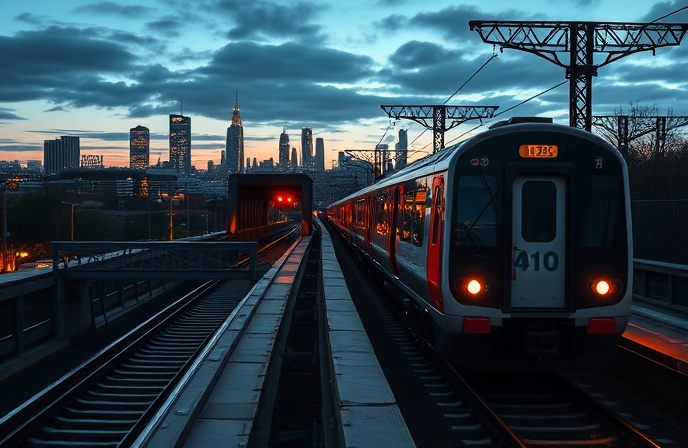
Digital Revolution: Lord Hendy Experiences Firsthand the Future of Rail
In a significant step towards modernizing Britain’s railway network, Rail Minister Lord Hendy experienced the cutting-edge technology of in-cab digital signalling firsthand. He took a cab ride from Moorgate to Finsbury Park, witnessing the transformation brought about by the East Coast Digital Programme (ECDP). This government-funded initiative, with an investment of £1.4 billion, marks a pivotal shift from traditional lineside signals to a digital system. The ECDP, spearheaded by Great British Railways (GBR) and its partners, aims to boost reliability, cut carbon emissions, and ultimately provide more punctual services for passengers. This article explores the implications of this technological advancement, its implementation challenges, and its potential to reshape the railway industry.
The Heart of the Transformation: ETCS and the Digital Cab
The core of this digital revolution lies in the European Train Control System (ETCS). This advanced system provides train drivers with real-time information about speed limits and safe distances directly on a computer screen within the cab. ETCS replaces the traditional lineside signals, streamlining operations and enhancing safety. The removal of lineside signals on the Northern City Line pathfinder project, between Moorgate and Finsbury Park, demonstrates the successful implementation of the first phase of ECDP, which will ultimately include the East Coast Main Line. This implementation involves close collaboration across the industry. Lord Hendy noted that the technology, when implemented effectively, is “even safer, more resilient, and greener than traditional signalling.”
Collaboration: A New Era of Industry Integration
Delivering such a transformative project across track and train requires deep collaboration across the industry. The success of the Northern City Line project showcases a unique delivery model. Key players in this collaborative effort include Network Rail, GBRX, Govia Thameslink Railway (GTR), and Siemens Mobility UK&I. This collaborative effort is integral to the wider Digital Railway Masterplan and serves as a benchmark for future modernization initiatives. Ellie Burrows, Network Rail’s managing director, Eastern region, highlighted the significance of the shift on a busy commuter route, celebrating it as the advent of the “next generation railway.”
Pioneering Technology and Operational Benefits
The Siemens Class 717 trains, a key component of this digital transformation, are the first passenger fleet to operate with ETCS on the project, a groundbreaking shift from the older systems to digital in-cab technology. According to John Whitehurst, chief operating officer at GTR, the early results are promising. GTR is operating the country’s first signals-free, digitally controlled commuter railway, enhancing overall performance. The integration of digital technology is expected to increase railway capacity and reduce delays by up to a third, improving connectivity and fueling economic growth, creating jobs, and providing more homes.
The Road Ahead: Digital Signalling Expansion
The successful implementation of the Northern City Line project is a precursor to the introduction of digitally signaled services on the East Coast Main Line in the coming year. This initiative is part of a broader plan to gradually introduce digital signalling across the entire network. Lord Hendy emphasized the government’s commitment to investing in technology that will bring railways into the 21st century. This investment aligns with the Plan for Change and aims to place passengers at the center of the transport network.
Conclusion
The East Coast Digital Programme marks a crucial step forward in the evolution of Britain’s railway network. The successful implementation of in-cab digital signalling on the Northern City Line and the East Coast Main Line represents not only a technological leap but also a fundamental shift in operational efficiency and passenger experience. By replacing traditional lineside signals with the advanced ETCS, the railway industry is enhancing safety, improving reliability, and working towards a more sustainable future. The collaborative efforts between government bodies, Network Rail, GBRX, train operating companies like GTR, and technology providers such as Siemens Mobility, highlight the importance of a unified approach to modernization. This initiative is the cornerstone of creating a railway system that is both fit for the 21st century and poised for continued innovation and growth, ultimately benefiting passengers and the economy. Future developments are promising.
RELATED POSTS

January 18, 2022 11:18 pm
Long-Term Railway Maintenance: The Alstom-Metrorex Bucharest Partnership This article examines...
October 27, 2020 10:31 pm
Introduction This article delves into the strategic partnership between Ferrovie...
Philadelphia, USA – October 26, 2023 The Southeastern Pennsylvania Transportation...
December 22, 2025 2:39 pm
c2c Railway launches the AI-powered OP1 platform, improving service reliability...
May 4, 2017 9:42 am
**Voiceover Excerpt:**"Alstom modernized Singapore's rail network with a new CBTC...
March 3, 2025 6:31 pm
Introduction This article delves into the significant Logan and Gold...