
DMRC’s Rail Capacity Expansion: India’s Delhi Metro
Delhi Metro’s expanding its rolling stock – 156 new coaches to boost capacity! Learn how this upgrade tackles overcrowding and improves efficiency across key lines.
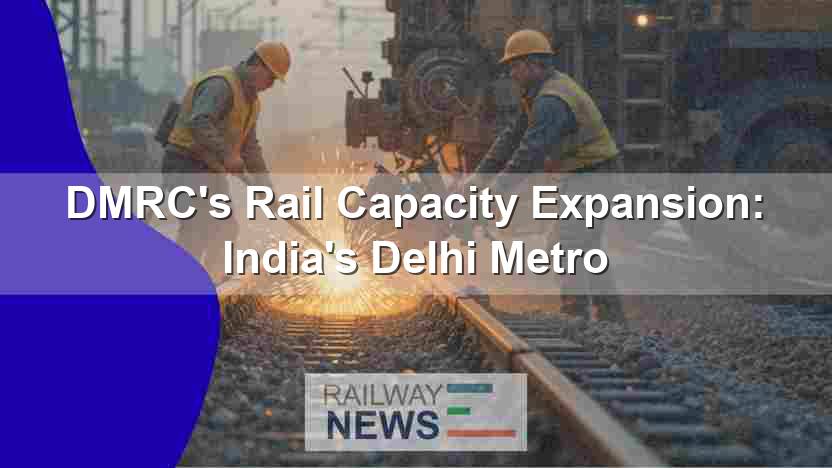
The Delhi Metro Rail Corporation (DMRC) is undertaking a significant expansion of its rolling stock (trains and carriages) to address increasing ridership and improve operational efficiency across its network. This strategic investment focuses primarily on increasing train lengths on several lines, leading to greater passenger capacity, particularly during peak hours. This article will delve into the specifics of the DMRC’s expansion plan, examining the reasons behind the need for increased capacity, the technical aspects of adding carriages to existing trains, the funding implications, and the broader impact on the Delhi Metro system. Understanding this expansion is crucial to analyzing the ongoing development of India’s vital urban transportation infrastructure and its ability to cope with the demands of a rapidly growing megacity.
Expanding Train Lengths for Increased Capacity
The core of the DMRC’s plan is to upgrade existing six-carriage trains to eight-carriage trains. This seemingly simple addition significantly boosts passenger capacity. The increase of two carriages translates to a substantial percentage increase in seating and standing space, directly addressing the overcrowding often experienced during peak commuting times. This targeted approach focuses on lines experiencing the most significant passenger demand, maximizing the impact of the investment. The specific lines targeted for this upgrade include Lines 1 (Red Line), 2 (Yellow Line), 3 (Blue Line), and 4 (Blue Line). These lines, being primarily broad gauge, necessitate the procurement of 120 broad gauge carriages. The Airport Express Line also receives attention, with plans to add 36 carriages (six six-carriage train sets) to accommodate the line’s extension to the Dwarka Exhibition-cum-Convention Centre.
Procurement and Gauge Considerations
The DMRC’s procurement plan involves the acquisition of a total of 156 coaches. The distinction between broad gauge and standard gauge is critical. The existing lines slated for expansion use broad gauge track, requiring carriages designed to this specific track width. The Pink and Magenta Lines, however, utilize standard gauge, meaning the newly procured coaches are unsuitable for those lines. This logistical detail highlights the complexities of a large-scale metro system with varying infrastructure specifications. The procurement process itself involves rigorous testing and adherence to strict safety and operational standards to ensure seamless integration into the existing fleet.
Funding and Future Operational Improvements
The DMRC’s initiative requires significant financial investment. The corporation has applied to the National Capital Region Planning Board (NCRPB) for funding to cover the cost of the additional rolling stock and associated improvements. This funding request also aims to increase train frequency, further enhancing the efficiency of the system. The NCRPB’s decision on the funding application is pending. The successful securing of these funds will be crucial for the timely implementation of the expansion project. Beyond the immediate upgrades, successful funding will allow for further development and enhancements within the broader network.
Technological Advancements and Passenger Experience
While the primary focus is on expanding capacity, the DMRC’s commitment to technological improvements is also evident. The implementation of QR code payment systems at select stations, though currently underutilized, represents an attempt to modernize fare collection. While the limited adoption of this technology currently suggests a need for improved passenger awareness and marketing, it signifies a long-term effort to provide a seamless and efficient passenger experience. This shows the corporation’s interest in modernizing its technological capabilities. Future improvements will almost certainly involve further improvements in contactless payment methods and potentially real-time passenger information systems.
Conclusion
The DMRC’s investment in additional rolling stock signifies a proactive approach to managing the increasing demand on Delhi’s metro system. The strategic focus on increasing train lengths on high-demand lines directly addresses overcrowding issues, improving the overall passenger experience. The careful consideration of gauge compatibility underscores the planning complexity inherent in managing such a large and expanding network. The success of this expansion project hinges on securing funding from the NCRPB, which will enable the DMRC to not only increase capacity but also improve train frequency, enhancing the overall efficiency and reliability of the system. The incorporation of new technologies, despite initial adoption challenges, indicates a longer-term commitment to providing a modern and efficient urban transport solution. Ultimately, the DMRC’s initiatives demonstrate a significant step toward addressing the transportation challenges of a rapidly growing metropolis and showcases the long-term vision of the Delhi Metro system. The ongoing development and modernization efforts are vital for sustaining Delhi’s economic growth and providing efficient and reliable public transportation for its citizens.

Railway infrastructure, rolling stock and transport technologies specialist focused on global rail industry developments, high-speed rail systems, signaling technologies and freight transportation. Covering railway investments, public transport modernization, rail operations and international mobility projects across Europe, Asia and North America.
RELATED POSTS
September 6, 2026 5:19 am
Hitachi delivered Taiwan's first N700ST high-speed train from Japan in...

September 5, 2026 4:19 pm
CPK launched formal tender talks with four consortia to design...

September 5, 2026 7:14 pm
HS2 Ltd signed renegotiated civils contracts with EKFB and Align...

September 6, 2026 4:12 am
Alstom delivered the first of 100 new G Class trams...
September 6, 2026 6:17 am
Hungary ordered a national ban on most freight trains from...
September 6, 2026 1:17 am
Hitachi Toshiba Supreme Consortium confirmed the first of 12 N700ST...