
DLR’s £Multi-Million Upgrade: 54 New Trains, Improved Service
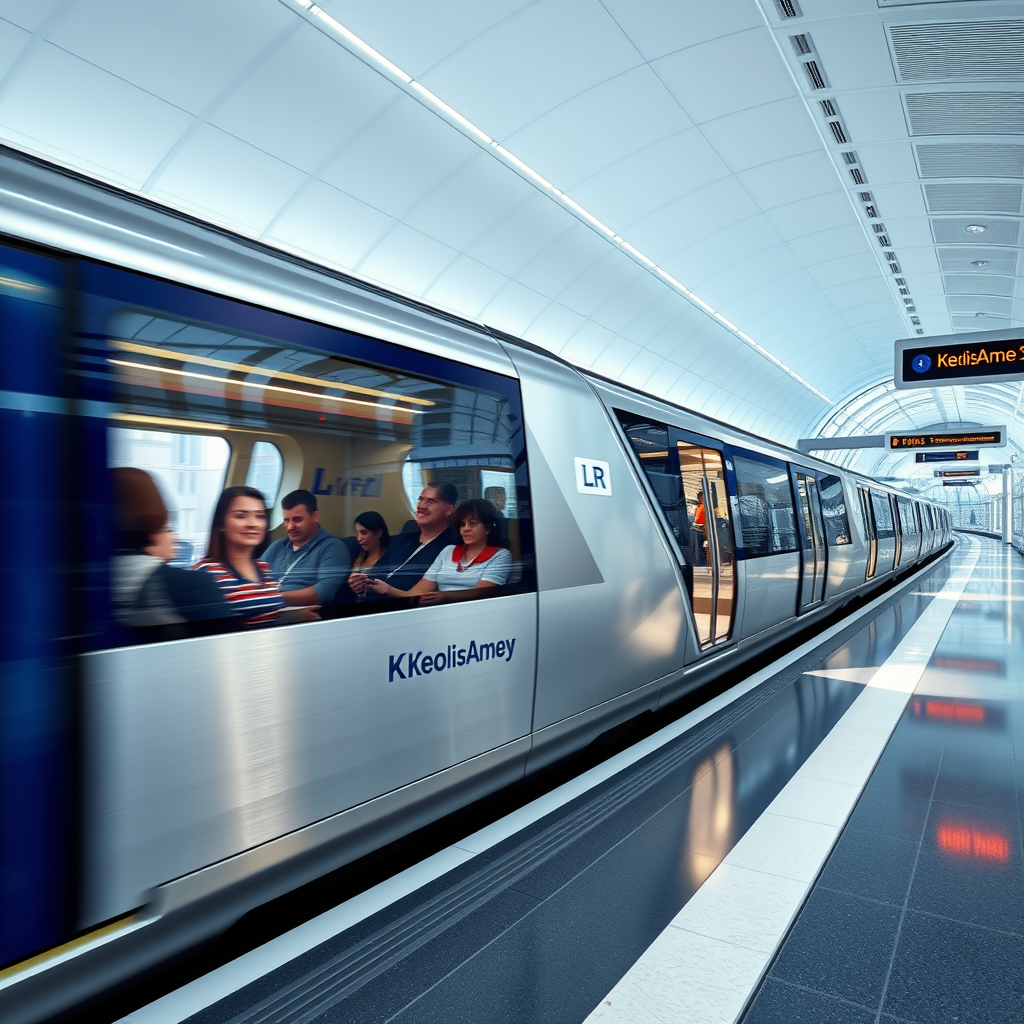
This article examines the recently awarded eight-year contract extension for KeolisAmey to operate and maintain the Docklands Light Railway (DLR) in London, UK. The agreement, extending their tenure until at least 2033, signifies a significant commitment to the DLR’s continued development and improvement. This extension builds upon KeolisAmey’s operational experience since 2015 and encompasses a broad range of enhancements designed to elevate the passenger experience, increase network capacity, and improve overall operational efficiency. The contract details substantial investments in new rolling stock, infrastructure upgrades, and service enhancements, all crucial in addressing the DLR’s growing ridership and evolving operational demands. Furthermore, the agreement emphasizes sustainable practices and revenue protection strategies, reflecting broader industry trends towards environmental responsibility and fiscal accountability within the public transportation sector. This analysis will explore the key aspects of this contract renewal, highlighting its implications for both passengers and the broader railway industry.
Fleet Modernization and Capacity Expansion
A central component of the renewed contract involves the introduction of 54 new DLR trains. This substantial investment will not only replace 33 aging vehicles but also significantly expand the overall fleet size. The addition of these modern trains will directly enhance passenger capacity, mitigating overcrowding, particularly during peak hours. This capacity increase is critical given the DLR’s consistent ridership growth, projected to continue for the next decade. The improved train design likely incorporates advancements in passenger comfort, accessibility features (such as wider doors and accessible restrooms), and energy efficiency, contributing to an improved overall passenger experience and a reduction in the system’s environmental impact.
Service Improvements and Enhanced Passenger Experience
Beyond the fleet upgrade, the contract mandates several service improvements aimed at enhancing the overall passenger experience. These improvements range from increased service frequency to upgrades in station infrastructure, including escalators, lifts, and ticket machines. The full rollout of the Access DLR free travel assistance service is also a key component, demonstrating a commitment to accessibility for all passengers. Moreover, new customer satisfaction targets are set for the availability and functionality of key infrastructure elements. These targets create quantifiable metrics for measuring success and driving continuous improvements to the DLR’s operational performance and overall customer satisfaction.
Sustainability and Environmental Considerations
The contract explicitly addresses environmental sustainability. KeolisAmey is tasked with implementing initiatives to reduce greenhouse gas emissions. This could involve several strategies, including the optimization of train operations to minimize energy consumption, the transition to renewable energy sources for powering the railway system, and the adoption of environmentally friendly maintenance practices. The focus on sustainability aligns with broader global efforts to reduce the carbon footprint of transportation systems and reflects a growing expectation for environmentally responsible operations within the rail industry.
Revenue Protection and Financial Performance
The contract also incorporates performance incentives focused on improving revenue collection and reducing fare evasion. This reflects Transport for London’s (TfL) commitment to maintaining financial stability in the face of potentially reduced government funding. The emphasis on revenue protection highlights the importance of efficient fare collection systems and effective strategies to deter fare evasion, crucial for the long-term financial viability of the DLR. This component underscores the increasing importance of operational efficiency and revenue management within the public transportation sector.
Conclusion
The renewed eight-year contract between TfL and KeolisAmey for the operation of the DLR represents a significant investment in the future of this vital London transport link. The contract’s multifaceted approach encompasses not only fleet modernization and capacity expansion (via the addition of 54 new trains replacing older models) but also significant improvements to the overall passenger experience. The commitment to increased service frequency, enhanced infrastructure, and the full implementation of the Access DLR program underscores a dedication to customer satisfaction and accessibility. Furthermore, the inclusion of ambitious sustainability targets and a strong focus on revenue protection demonstrates a responsible and financially astute approach to managing the DLR. These improvements, together, are projected to benefit millions of annual DLR passengers, positioning the system for continued growth and success in the coming years. The success of this contract will hinge on effective collaboration between TfL and KeolisAmey, robust project management, and a continuous commitment to monitoring and adapting to evolving passenger needs and operational challenges. The contract’s success will serve as a model for other light rail systems facing similar challenges in balancing modernization, sustainability, and financial viability.
RELATED POSTS
July 24, 2025 11:33 pm
Virginia gets $414M rail bypass to ease congestion, boost efficiency.
April 14, 2025 7:15 am
This article explores the significant development in the French high-speed...
June 5, 2025 1:01 pm
Siemens Mobility delivers the first Vectron MS locomotive to RTC,...

April 4, 2019 12:07 am
SNCF's strategic acquisition of Railtraxx expands its European rail freight...
January 31, 2017 12:45 pm
"Alstom is delivering 10 battery-electric multiple units, or BEMUs, to...
December 8, 2021 4:05 am
Securing Toronto’s Transit Future: The Eglinton Crosstown West Extension Advance...