
DLR Trains Modernize London Rail: Capacity, Accessibility & Investment
Here’s a compelling news summary for the Railway Sector News website:
New DLR trains debut in London! This **railway** upgrade offers increased capacity and modern features, enhancing the **transport** experience for commuters.
“`html
Introduction
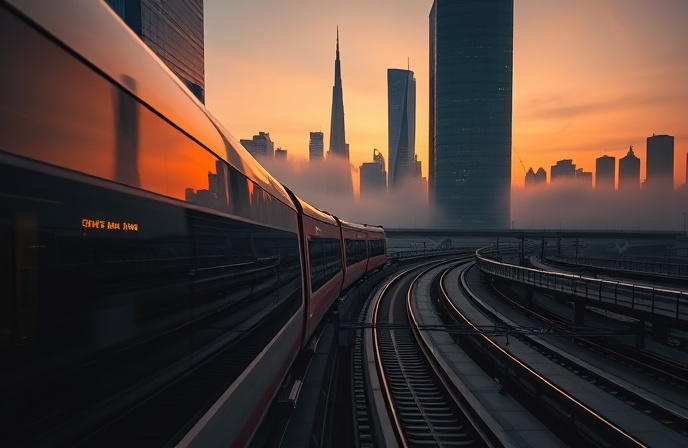
The first of 54 new Docklands Light Railway (DLR) trains has entered service this week, offering increased capacity, accessibility, and modern features for commuters in London. The rollout is a key part of modernizing the transport network, supporting growth in the capital’s fastest-growing areas, and improving connectivity.
New Train Features
Built with cutting-edge design and technology, the new trains feature spacious walk-through carriages, air conditioning, live travel information, mobile device charging points, and three multi-use areas for pushchairs, bicycles, and luggage. They also include three dedicated wheelchair spaces to improve accessibility, ensuring that all passengers can travel comfortably.
Capacity and Network Impact
The new trains are designed to significantly improve reliability, capacity, and comfort for passengers. Each train offers 10 per cent more capacity than the current fleet, helping to accommodate the capital’s growing population. The full rollout of all 54 new trains will increase overall capacity on the DLR by more than 50 per cent, with the older fleet expected to be fully replaced by the end of 2026. Additional new trains will be introduced as quickly as possible to further boost capacity.
Funding and Investment
The new DLR trains are part of a wider programme backed by significant government investment. £260 million of funding has been provided through the Housing Infrastructure Fund, and a further £500 million has been financed through a loan from the National Wealth Fund. London City Airport also contributed more than £5 million towards the cost of the new trains.
Future Development
The arrival of the new trains is part of a wider vision for the DLR, with plans being developed for a proposed extension from Gallions Reach to Thamesmead. TfL introduced a temporary timetable in June 2025 to retire ageing trains that had reached the end of their operational life. Extensive testing has ensured a smooth transition for passengers, and as more new trains enter service, the full timetable will be restored, bringing more frequent services across the network.
Last June 2025, we published an article about Renfe’s Aranjuez maintenance hub. Click here to read – Future of Rail: Renfe’s Railway Technology Hub, Aranjuez: Essential Guide
Conclusion
The introduction of the new DLR trains signifies a major step forward in modernizing London’s transport network, improving reliability, boosting capacity, and supporting sustainable growth in the city’s fastest-growing communities. The full rollout will replace the older fleet by the end of 2026.
Company Summary
London City Airport: London City Airport is proud to be the closest airport for more than half of Londoners. It contributed more than £5 million towards the cost of the new trains.
National Wealth Fund: NWF has provided significant funding and support to the rolling stock replacement programme.
HM Treasury: Established the National Wealth Fund to support the UK’s major growth ambitions.
TfL: TfL introduced a temporary timetable in June 2025 to retire ageing trains that had reached the end of their operational life.
“`
RELATED POSTS
March 5, 2026 7:57 pm
Banedanmark launched battery train operations on Denmark's 67 km Skjern–Holstebro...

March 4, 2026 10:12 am
Amtrak and Siemens deploy 8 Airo trains for the U.S....
March 5, 2026 4:23 am
Renfe suspends Spain rail services on Madrid-Andalusia corridor until February...
March 4, 2026 2:06 pm
Alstom commissioned 76 Flexity LRVs and CBTC signaling for Toronto,...
Ukraliznytsia launched its first dual-gauge semi-trailer intermodal service, linking Ukraine's...
March 4, 2026 11:37 pm
ÖBB expands its Upper Austria workforce by 625 for 2026,...