
Digital Rail Freight: Efficiency, Automation & the Future
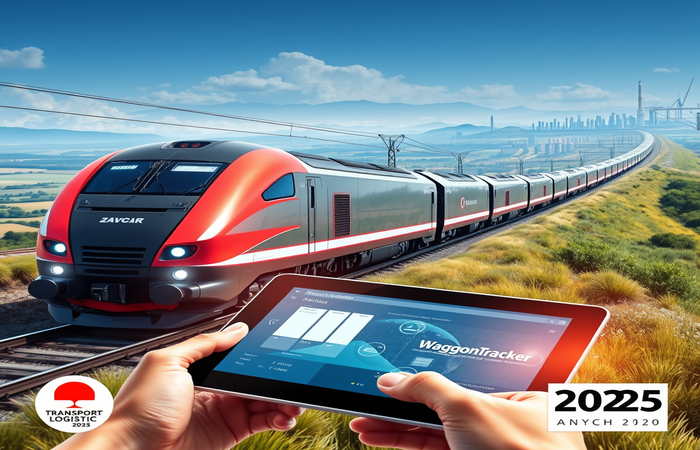
Digital Advancements Reshaping Rail Freight: A New Era of Efficiency
The rail freight industry is undergoing a significant transformation, driven by the integration of digital technologies aimed at boosting performance and streamlining operations. This evolution is crucial for addressing the challenges of cost pressures, labor shortages, and the need for enhanced safety and efficiency. This article delves into the innovative solutions offered by PJM (a company that provides digital solutions for rail freight) and explores how these advancements are reshaping the landscape of rail logistics. By focusing on real-time monitoring, automation, and predictive maintenance, these technologies promise to reduce costs, increase train availability, and enhance overall safety. We’ll explore the core functionalities, technical concepts, and the benefits these digital systems bring to rail freight operators, offering a glimpse into the future of this essential mode of transport.
Real-time Monitoring and Automation: The Core of Digital Rail Freight
The cornerstone of PJM’s smart train technology lies in its ability to provide comprehensive real-time monitoring and automation of critical processes. The WaggonTracker system integrates a suite of advanced features designed to optimize freight operations. These include automated brake testing via tablet, ensuring the operational process of checking the brakes is streamlined and efficient. Automated load weight monitoring ensures compliance with regulations and optimizes load distribution, while real-time brake monitoring and analysis provide immediate insights into brake performance, which is a key component of predictive maintenance. Furthermore, kingpin monitoring is essential for intermodal transport safety, and the system offers IDDS (Intelligent Derailment Detection System) derailment diagnostics, providing early detection of derailments and immediate communication to the train driver. Monitoring of running characteristics, including tracking wagon performance and detecting flat spots, allows for proactive identification of potential infrastructure damage and facilitates predictive maintenance strategies. The system provides a variety of functions such as mileage, direction of travel, current position, last message, and historical data. This data also extends to sensor data, including loading status, running behavior, axle bearing temperature, brake system status, consumed energy status, derailment status, load weight, shock monitoring, trestle status, ambient temperature, and more.
Power Supply, Safety, and Communication: The Technological Foundation
The effectiveness of these digital systems is built upon several core technological pillars. A robust and autonomous power supply is essential, with wheel hub generators currently being the preferred solution for self-sufficient power, even for additional customer-specific applications. This ensures continuous operation of the monitoring and communication systems. The functional safe acquisition of measurement data, combined with a secure connection to a central control unit, forms the foundation for automating operational processes. In-train communication utilizes a long-range radio system engineered for maximum availability, providing an encrypted, secure connection for direct communication with the train driver. The system also has a high level of scalability and modularity, allowing for the integration of any number of sensors, such as those for axle bearing temperature monitoring. Moreover, the system is designed to be compatible with future applications and can be integrated into existing wagon fleets with ease, either through PJM’s partners or through direct installation from wagon manufacturers.
Compatibility, Integration, and Availability: Implementation and Advantages
The WaggonTracker system is designed for full system compatibility. It is compatible with all wagon types and can be installed ex works on new wagons or seamlessly integrated into existing wagon fleets. The system is compatible with other customized applications and remains independent of other technologies or wagon equipment. The upgrade process is flexible, PJM offers installation services. The system is not just a concept; it is an approved technology already in use at renowned railway companies and is now readily available. Simple integration and universal wagon type compatibility are key advantages, minimizing downtime and maximizing return on investment. The digital system also incorporates a wagon on-board control unit and is designed to be compatible with future applications.
Addressing Industry Challenges: The Path to a More Efficient Future
Rail transport companies face significant challenges, including cost pressures, labor shortages, and the need to maintain high safety standards. Digital technologies, such as those offered by PJM, provide a crucial solution to these issues. By automating processes, improving real-time monitoring, and enabling predictive maintenance, these systems help reduce operational costs, minimize downtime, and optimize resource utilization. The implementation of these technologies can significantly enhance the efficiency, availability, environmental friendliness, and safety of rail freight operations. This transformation is essential to ensure that rail transport remains a competitive and sustainable mode of freight transportation in the years to come.
Conclusion: Paving the Way for a Smarter Rail Freight Future
In summary, the digital revolution in rail freight, spearheaded by companies like PJM, offers a transformative approach to optimizing operations. The comprehensive WaggonTracker system integrates advanced features such as automated brake testing, load weight monitoring, real-time brake analysis, and derailment diagnostics. The system’s core strengths lie in its autonomous power supply, comprehensive monitoring functionality, advanced safety electronics, and scalability. The system’s compatibility with existing infrastructure and its ease of integration make it a viable solution for both new and existing wagon fleets. By embracing these technologies, rail freight companies can successfully tackle the challenges of cost pressure, labor shortages, and safety concerns, leading to significant improvements in efficiency, availability, and environmental sustainability. The industry is moving toward a smarter, more efficient future where digital solutions play a central role in optimizing freight operations and ensuring the long-term viability of rail transport.
RELATED POSTS

June 24, 2019 1:39 am
The Expansion of Israel Railways’ Fleet: An Analysis of the...
June 22, 2023 1:45 pm
The Development of Cambridge South Station: A Case Study in...

July 9, 2025 7:33 am
TPE opens new Glasgow rail depot, investing £530k in Scottish...
January 26, 2026 8:39 pm
MDOT finalized its $22.1 billion capital program, allocating over $1...
November 26, 2025 12:42 pm
Ukrzaliznytsia boosts **rail** infrastructure. Securing 10,000 tonnes of additional rails...
January 23, 2026 12:38 am
Norfolk Southern orders 40 Wabtec ES44AC locomotives, its first new...