
Delhi Metro’s Pink Line: Rail Tech Advancements
Delhi Metro’s Pink Line: Driverless trains and seamless integration boost efficiency and ridership. Discover how advanced CBTC technology revolutionized urban transit!
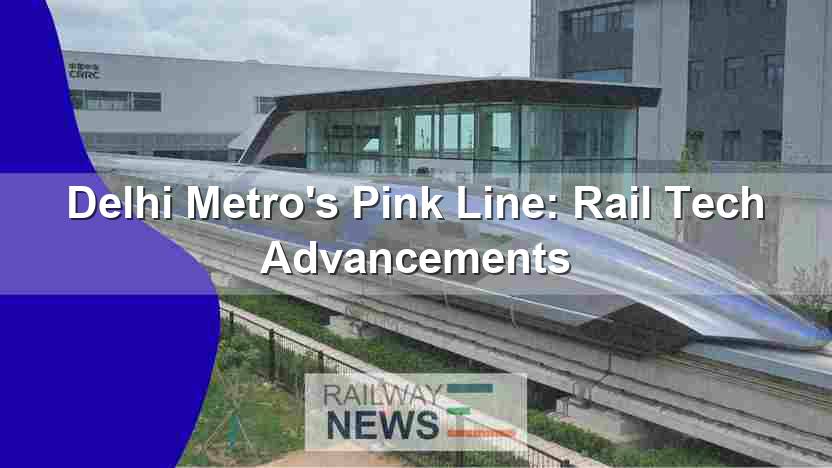
This article explores the significant advancements represented by the inauguration of Delhi Metro Rail’s (DMRC) Line 7, also known as the Pink Line. The opening of this 59km line, stretching from Majlis Park to Durgabai Deshmukh South Campus station, marks a pivotal moment in Delhi’s public transportation infrastructure. This expansion is not merely an increase in network coverage; it showcases the integration of cutting-edge technology, specifically Bombardier’s Cityflo 650 driverless train control system, enhancing efficiency, capacity, and passenger experience. The Pink Line’s impact extends beyond its immediate operational benefits; it significantly influences the overall DMRC network’s performance, connectivity, and future development strategies, highlighting the role of technological innovation in addressing the challenges of rapid urbanization in megacities like Delhi.
Technological Advancement and Operational Efficiency
The Pink Line’s implementation of Bombardier’s Cityflo 650 (CBTC – Communications-Based Train Control) system is a key factor differentiating it from previous DMRC lines. CBTC utilizes modern radio networks to enable fully automated train operation, enhancing safety, precision, and overall operational efficiency. This system allows for centralized train supervision, minimizing human error and reducing maintenance costs. The ability of the trains to operate at speeds up to 85 km/hr significantly reduces travel time, improving the overall commuter experience. The use of driverless technology also contributes to a reduction in operational expenditure, making the line more cost-effective in the long run.
Network Integration and Enhanced Connectivity
The Pink Line’s strategic design ensures seamless integration with the existing DMRC network. With 38 stations and interchanges at 11 stations with other lines (five immediately upon opening), it significantly improves connectivity across Delhi. This interconnectedness offers passengers shorter travel times and multiple route options, reducing congestion on existing lines and making the entire metro system more efficient. The addition of five new interchange stations (Azadpur, Netaji Subhash Place, Rajouri Garden, Botanical Garden, and Kalkaji Mandir) within a two-month period is testament to the rapid expansion and efficient planning capabilities of the DMRC.
Impact on Ridership and Future Expansion
The increase in Delhi Metro ridership following the Pink Line’s partial opening, even after a temporary dip in ridership in the preceding months, directly reflects the line’s positive impact on public transportation accessibility. This demonstrates a growing preference for metro transit, driven by improvements in convenience, speed, and reliability. The success of Line 7 sets a precedent for future DMRC expansion plans, emphasizing the incorporation of advanced technologies for enhancing efficiency and scalability. The experience with the Pink Line provides valuable data and insights for future projects, allowing for refinements and optimizations in design, construction, and technology implementation.
Strategic Implications and Future Outlook
The Pink Line’s success highlights the importance of strategic planning and technological investment in addressing urban transportation challenges. The integration of advanced CBTC systems, coupled with intelligent network planning, drastically improves efficiency and passenger satisfaction. This case study showcases the potential of driverless technology in reducing operational costs and increasing capacity in high-density urban environments. The ongoing expansion of the Delhi Metro, with a continued focus on technological innovation, demonstrates a commitment to sustainable and efficient public transportation. The lessons learned from the Pink Line’s implementation can inform the development of future metro systems globally, showcasing a model for effective urban planning and technological integration.
Conclusion
The inauguration of Delhi Metro Rail’s Line 7, the Pink Line, represents a significant advancement in urban rail transit, not only for Delhi but also for global best practices. The integration of Bombardier’s Cityflo 650 CBTC system demonstrates a commitment to technological innovation and operational efficiency. The line’s seamless integration with the existing DMRC network significantly enhances connectivity and reduces congestion. The increase in ridership following the partial opening serves as a strong indicator of the line’s success and the public’s positive response to improved transit options. The project’s success underscores the strategic importance of investing in advanced technology and thoughtful planning to address the growing challenges of urbanization. The Pink Line serves as a model for future metro developments, showcasing a successful combination of advanced technology, efficient network design, and a commitment to enhancing public transportation.
The success of the Pink Line extends beyond its immediate impact on Delhi’s commuters. It serves as a compelling case study for other cities facing similar transportation challenges. The demonstrated improvements in efficiency, reduced operational costs, and enhanced passenger experience make it a compelling example for the adoption of similar technologies and planning strategies globally. Future developments in urban rail transit should consider the lessons learned from the Pink Line’s successful implementation, highlighting the critical role of technology and strategic planning in creating sustainable and efficient public transportation systems.
To summarize, the Pink Line’s opening signifies more than just an extension of the Delhi Metro; it is a testament to the city’s commitment to progress and its adoption of cutting-edge technology to resolve critical infrastructure issues. Its success reinforces the importance of holistic urban planning, technological innovation, and strategic partnerships in tackling the ever-increasing demands of modern megacities. The Pink Line stands as a shining example of how technological advancements can redefine urban mobility and improve the lives of millions of commuters.

Railway infrastructure, rolling stock and transport technologies specialist focused on global rail industry developments, high-speed rail systems, signaling technologies and freight transportation. Covering railway investments, public transport modernization, rail operations and international mobility projects across Europe, Asia and North America.
RELATED POSTS

October 8, 2026 1:15 pm
Alstom secured a €1bn contract to build 13 automated trains,...

October 1, 2026 7:09 am
United States regulators confirmed a September 30 deadline for the...

October 8, 2026 12:18 pm
Siemens Mobility signed an agreement with VinSpeed to supply 350...

October 4, 2026 5:14 pm
Alstom secured a CA$4.7 billion order from VIA Rail Canada...

October 5, 2026 6:12 pm
AECOM and Jacobs secured a contract in September 2026 to...

October 1, 2026 12:13 am
Illinois approved $1.5 billion annually for the Northern Illinois Transit...