
Delhi Metro: 2026 Construction Update & Route Map
Delhi Metro’s network expansion continues, reaching 389km with 285 stations, showcasing innovative technology and sustainable practices in the railway sector.

Delhi Metro Rail System: Project Profile
The Delhi Metro Rail Corporation (DMRC) system is a multi-phased rapid transit network engineered to serve India’s National Capital Region (NCR). Designed as a comprehensive solution to urban congestion, the project integrates advanced rail technologies with a sustainable operational framework. This profile details the technical specifications, strategic financing, and operational milestones of one of the world’s most extensive metro networks.
| Attribute | Details |
|---|---|
| Project Name | Delhi Metro Rail System |
| Location | Delhi, National Capital Region (NCR), India |
| Network Length | 389 km (Operational) + 103 km (Phase 4 Planned) |
| Maximum Speed | 85 km/h (Operational) |
| Estimated Cost | Over 9.8 Billion USD (Phases 1-3) |
| Status (2026 Context) | Operational; Phase 3 nearing completion; Phase 4 under construction. |
| Key Contractors | DMRC (Operator), JICA (Financing), Hyundai Rotem, BEML (Rolling Stock), Bombardier Transportation, Siemens Transportation Systems (Signalling) |
Technical Specifications
The DMRC network is a sophisticated system featuring a mix of underground, at-grade, and elevated corridors to navigate a dense urban environment. Its signalling and automation infrastructure is built on a Centralised Automatic Train Control (CATC) system, which integrates Automatic Train Operation (ATO), Automatic Train Protection (ATP), and Automatic Train Signalling (ATS) for high-frequency operations and safety. Key lines utilize advanced Communications-Based Train Control (CBTC) systems, including Bombardier’s CITYFLO 350 and solutions from Siemens Transportation Systems, ensuring precise train control and minimal headways.
The rolling stock, initially sourced from a consortium including Hyundai Rotem and Mitsubishi, has transitioned to domestic production through a technology transfer agreement with Bharat Earth Movers (BEML). A key engineering feature across the fleet is the use of regenerative braking systems, which convert kinetic energy during deceleration into electrical power. This system significantly reduces net energy consumption and was instrumental in the DMRC becoming the first metro system globally to earn carbon credits from the United Nations for reducing greenhouse gas emissions.
Key Takeaways
- Phased Expansion Model: The Delhi Metro’s success provides a global blueprint for managing the complexity of megacity transit projects through a structured, multi-phase development approach, ensuring continuous network growth while managing financial and logistical challenges.
- Sustainable Technology Integration: DMRC’s early adoption of technologies like regenerative braking and extensive use of solar power at stations sets an industry benchmark for environmentally responsible and energy-efficient rail operations.
- Blended Public-Private Financing: The project’s financial architecture, combining international soft loans from agencies like JICA with central and state government funding, demonstrates a robust and replicable model for financing large-scale public infrastructure.
Frequently Asked Questions (FAQ)
When will Delhi Metro Phase 4 be completed?
Construction for Delhi Metro’s Phase 4 is underway. While specific timelines for all corridors vary, the entire phase, spanning approximately 103 kilometers, is projected for completion in stages between 2027 and 2030, subject to construction progress and approvals.
Who is building the Delhi Metro?
The Delhi Metro is being built and is operated by the Delhi Metro Rail Corporation (DMRC), a joint venture between the Government of India and the Government of Delhi. The construction and supply involve numerous international and domestic partners, including Siemens, Bombardier, Hyundai Rotem, and Bharat Earth Movers (BEML).
RELATED POSTS
May 12, 2024 12:47 pm
Virginia's Franconia-Springfield Rail Bypass project, a $405 million investment, ...
July 27, 2017 8:58 am
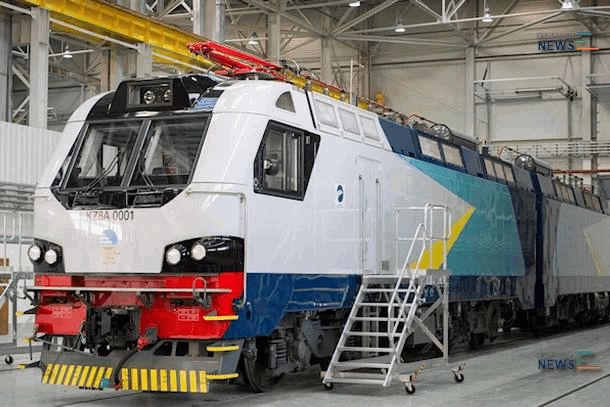
Alstom has inaugurated its first repairing centre in Astana, Kazakhstan....
February 15, 2018 10:45 am
Turin's railway system modernized with light rail expansion and a...
October 2, 2007 1:37 pm
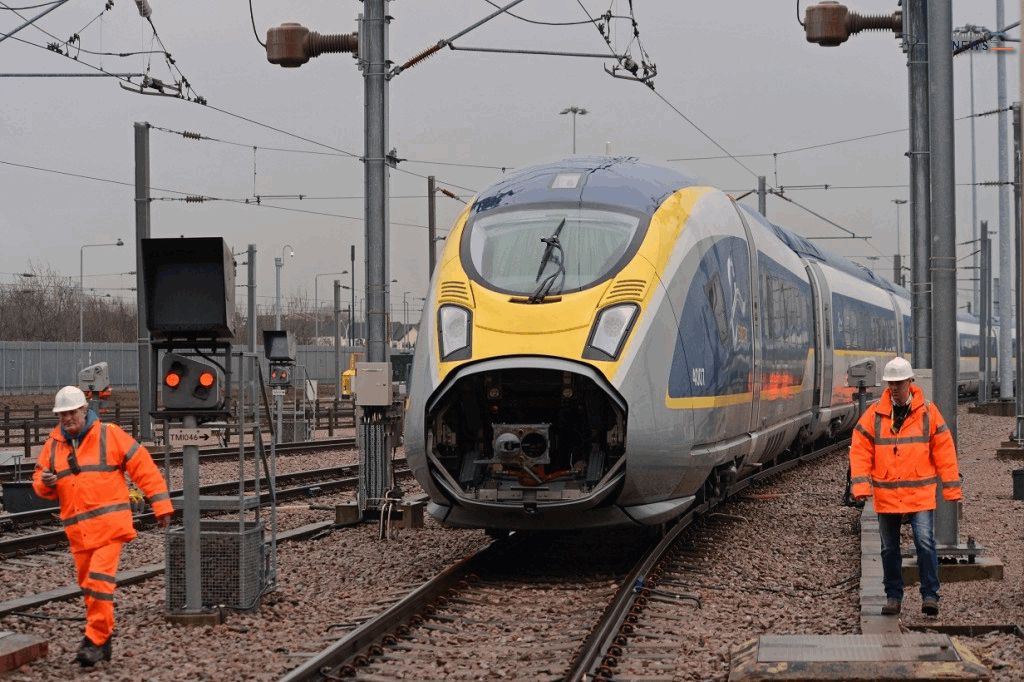
Eurostar, the high-speed passenger train operator, has opened its new...

April 16, 2012 7:07 am
Siemens has won a €41m contract to provide signalling systems...
January 16, 2017 2:46 am
Coming in July 2024: Siemens Mobility and Thales deliver the...