
Delhi Metro Phase IV: 61km Expansion, 46 Stations
Delhi Metro Phase-IV: A $3.56 billion expansion adding 61km of track and 46 stations. Discover how this massive project is transforming urban transit in India!
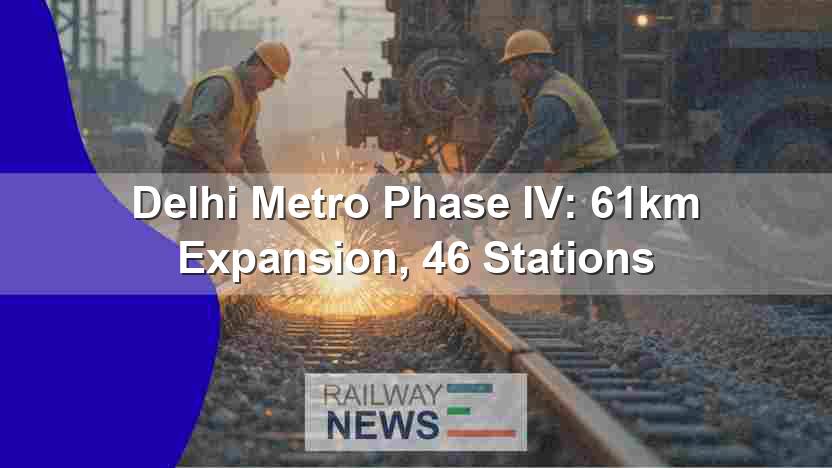
This article explores the significant expansion of Delhi’s metro rail system with the approval of the Delhi Metro Phase-IV project. The Indian government’s commitment of Rs 249.49 billion ($3.56 billion) underscores the nation’s dedication to enhancing urban infrastructure and addressing the persistent challenges of traffic congestion and improved connectivity within its capital city. This substantial investment represents a crucial step in modernizing Delhi’s transportation network, impacting millions of commuters daily. We will explore the project’s scope, its impact on the city’s infrastructure, and its broader implications for India’s overall approach to urban development and transportation planning. The analysis will also touch upon the concurrent approvals of other metro rail projects across the country, indicating a larger national strategy to improve public transport.
The sheer scale of the Delhi Metro Phase-IV project is noteworthy. With a total length of 61.679km, including 22.359km of underground lines, it significantly extends the existing network. The project encompasses three priority corridors, featuring a combined total of 46 stations (17 underground and 29 elevated). Upon completion, the Delhi Metro will boast a network exceeding 400km, dramatically increasing its capacity and reach across the capital region. The project’s meticulous planning considers both urban expansion and the need for efficient commuter transport, improving overall connectivity and quality of life.
Project Scope and Corridors
The three priority corridors of Phase-IV are strategically planned to address specific infrastructural needs within Delhi. The first corridor, stretching from Aerocity to Tughlakabad, will feature 15 stations, enhancing connectivity to key areas such as the Indira Gandhi International Airport (IGI). The second corridor, running between R K Ashram and Janakpuri West, adds 25 stations, serving a densely populated residential and commercial area. Finally, the third corridor, connecting Maujpur and Mukundpur, incorporates six stations, addressing a transportation gap in the north-east part of the city. The strategic placement of these corridors aims to optimize the network’s efficiency, reduce commute times, and offer seamless integration with other modes of public transportation.
Technological Advancements and Infrastructure Improvements
The Delhi Metro Phase-IV project isn’t just about expanding the network’s physical reach; it also represents a significant upgrade in technology and infrastructure. The inclusion of extensive underground lines demonstrates a commitment to minimizing the environmental impact of the expansion while simultaneously enabling efficient movement through congested areas. The implementation of modern signaling systems, advanced rolling stock, and improved station design will contribute to a safer, more comfortable, and sustainable transportation experience for commuters. These advancements align with the broader goals of sustainable urban development and reflect a progressive approach to public transportation planning.
Economic and Social Impact
Beyond its immediate impact on Delhi’s transport infrastructure, the Phase-IV project has substantial economic and social ramifications. The project’s large-scale investment stimulates economic growth through job creation during construction and operation. Improved connectivity reduces travel times, boosting productivity and benefiting businesses. Additionally, enhanced public transport reduces reliance on private vehicles, mitigating traffic congestion, air pollution, and associated health problems. This contributes to a healthier, more sustainable urban environment. The project is a vital element of Delhi’s sustainable development plan, demonstrating a commitment to a modern and efficient urban setting.
National Implications and Future Expansion
The approval of the Delhi Metro Phase-IV project isn’t an isolated event. It forms part of a broader national strategy to develop robust and efficient metro systems across India. The simultaneous approval of other major metro projects, such as those in Kanpur and Agra, highlights the Indian government’s commitment to investing in urban infrastructure and improving public transport nationwide. The success of Phase-IV will undoubtedly inform and influence future metro projects, setting a precedent for efficient planning, technological implementation, and overall sustainable urban development. This coordinated approach suggests a forward-looking vision for India’s urban landscape, placing sustainable transportation at its core.
Conclusion
The Delhi Metro Phase-IV project, a remarkable undertaking involving a substantial investment of Rs 249.49 billion ($3.56 billion), signifies a significant leap forward in Delhi’s urban development. This 61.679km expansion, encompassing three crucial corridors and adding 46 new stations, will dramatically improve connectivity, alleviate traffic congestion, and contribute to a more sustainable urban environment. The project’s strategic implementation, incorporating advanced technologies and infrastructure improvements, reflects a commitment to efficient and environmentally conscious urban planning. The project’s success will not only transform Delhi’s transportation landscape but will also serve as a model for future metro expansions across India. The concurrent approval of similar projects in other cities solidifies the national commitment to investing in modern, efficient, and sustainable public transport networks. The long-term impact extends beyond improved commutes, influencing economic growth, social well-being, and the overall quality of life for millions of citizens. It represents a clear vision for India’s urban future, prioritizing sustainable development and efficient mass transit as cornerstones of a progressive nation. The project serves as a beacon of progress, demonstrating India’s dedication to providing its citizens with a modernized, efficient, and sustainable urban transportation system. The far-reaching impact on Delhi’s daily life, its economy, and its environment cannot be overstated; it signifies a proactive step towards a better future for the city and a model for urban development nationwide.

Railway infrastructure, rolling stock and transport technologies specialist focused on global rail industry developments, high-speed rail systems, signaling technologies and freight transportation. Covering railway investments, public transport modernization, rail operations and international mobility projects across Europe, Asia and North America.
RELATED POSTS
September 6, 2026 5:19 am
Hitachi delivered Taiwan's first N700ST high-speed train from Japan in...

September 5, 2026 4:19 pm
CPK launched formal tender talks with four consortia to design...

September 5, 2026 7:14 pm
HS2 Ltd signed renegotiated civils contracts with EKFB and Align...

September 6, 2026 4:12 am
Alstom delivered the first of 100 new G Class trams...
September 6, 2026 1:17 am
Hitachi Toshiba Supreme Consortium confirmed the first of 12 N700ST...
September 6, 2026 6:17 am
Hungary ordered a national ban on most freight trains from...