
Delachaux Acquires Frauscher: Rail Sensor Tech Revolution
Delachaux’s acquisition of Frauscher Sensor Technology boosts rail infrastructure with cutting-edge sensing solutions. Discover how this powerful partnership enhances safety and efficiency!
The railway industry is undergoing a significant transformation, driven by the need for increased efficiency, enhanced safety, and improved asset management. This evolution necessitates the adoption of advanced technologies, particularly in the realm of sensor technology and data analytics. This article examines the strategic acquisition of a majority stake in Frauscher Sensor Technology by the Delachaux Group, a significant player in the rail infrastructure market. The acquisition underscores the growing importance of sophisticated sensor systems in modern rail operations and represents a powerful consolidation of expertise within the industry. We will explore the key aspects of this merger, examining the individual strengths of both companies, the strategic rationale behind the deal, and its potential implications for the future of railway technology. Additionally, we will delve into the broader context of technological advancements in railway systems and the ongoing trend of consolidation within the sector. The impact on innovation, market competition, and ultimately, the enhancement of rail safety and efficiency will be considered.
Frauscher Sensor Technology: A Leader in Rail Sensing Solutions
Established in 1987, Frauscher Sensor Technology (FST) has established itself as a leading manufacturer of wheel sensors and axle counters for the global rail industry. With over 430 employees and operations spanning 13 countries, FST boasts a significant global footprint and an extensive track record of successful installations in over 80 countries. Their expertise lies in developing and deploying accurate and reliable sensor systems that provide critical data for train control, monitoring, and maintenance. This includes the development of advanced technologies such as Distributed Acoustic Sensing (DAS), which enables innovative solutions in areas like train tracking, asset condition monitoring, and security enhancements.
Delachaux Group: Expanding its Rail Infrastructure Portfolio
The Delachaux Group, a prominent engineering solutions provider, already holds a strong position in the rail infrastructure market through its ownership of Pandrol, a well-known manufacturer of railway fastening systems. This acquisition significantly expands Delachaux’s capabilities in the rail sector, providing a vertically integrated approach that encompasses both track infrastructure and advanced sensor technology. By acquiring FST, Delachaux gains access to cutting-edge sensor technologies and expertise, enabling them to offer a more detailed suite of solutions to their customers. This vertical integration reduces dependencies on external suppliers and streamlines the delivery of integrated rail solutions.
Synergies and Strategic Rationale
The acquisition of FST by Delachaux is a strategic move that creates significant synergies. The combination of Pandrol’s expertise in track infrastructure and FST’s advanced sensor technology offers a unique opportunity to develop integrated solutions that improve efficiency and safety across the rail network. The integration will allow for enhanced data acquisition and analysis, leading to predictive maintenance capabilities and optimized operational management. This includes real-time monitoring of track conditions, which can prevent potential derailments and delays, thus contributing to overall safety improvement. Additionally, the combined resources of both companies can accelerate the development and deployment of new technologies, solidifying their position as a leading provider of detailed rail solutions.
Implications for the Rail Industry and Future Developments
The Delachaux-Frauscher partnership has far-reaching implications for the railway industry. The integration of sophisticated sensor technologies into rail infrastructure is a critical trend that will continue to shape the future of rail operations. The enhanced data analytics capabilities resulting from this acquisition will enable more effective asset management, optimized maintenance scheduling, and improved overall network performance. The development and implementation of DAS technology for real-time condition monitoring and security applications promises to revolutionize rail safety and security protocols. The merger also signals a broader trend of consolidation in the rail technology sector, with larger companies seeking to expand their portfolios and provide integrated solutions. This fosters innovation and facilitates the rapid deployment of advanced technologies across the global rail network.
Conclusions
The acquisition of a majority stake in Frauscher Sensor Technology by the Delachaux Group marks a significant development in the railway industry. This strategic move combines the expertise of a leading sensor technology provider with a prominent player in rail infrastructure, creating a powerful synergy. The integration of Frauscher’s advanced sensor technologies, including the innovative applications of Distributed Acoustic Sensing (DAS), with Delachaux’s existing portfolio, primarily through Pandrol, significantly enhances the capabilities of both companies. The combination allows for the development of more detailed, integrated solutions, improving efficiency, safety, and operational performance across the rail network. This vertical integration also reduces reliance on external suppliers and streamlines project delivery. The acquisition further underscores the growing importance of advanced sensor technology and data analytics in modern rail operations, fostering innovation and driving the ongoing transformation of the railway industry. The long-term implications are expected to include improved asset management, predictive maintenance capabilities, enhanced safety measures, and the optimization of rail network efficiency globally. The success of this merger will likely influence further consolidation within the sector, shaping the future landscape of rail technology and accelerating the adoption of cutting-edge innovations for a safer and more efficient railway system.

Railway infrastructure, rolling stock and transport technologies specialist focused on global rail industry developments, high-speed rail systems, signaling technologies and freight transportation. Covering railway investments, public transport modernization, rail operations and international mobility projects across Europe, Asia and North America.
RELATED POSTS
September 6, 2026 5:19 am
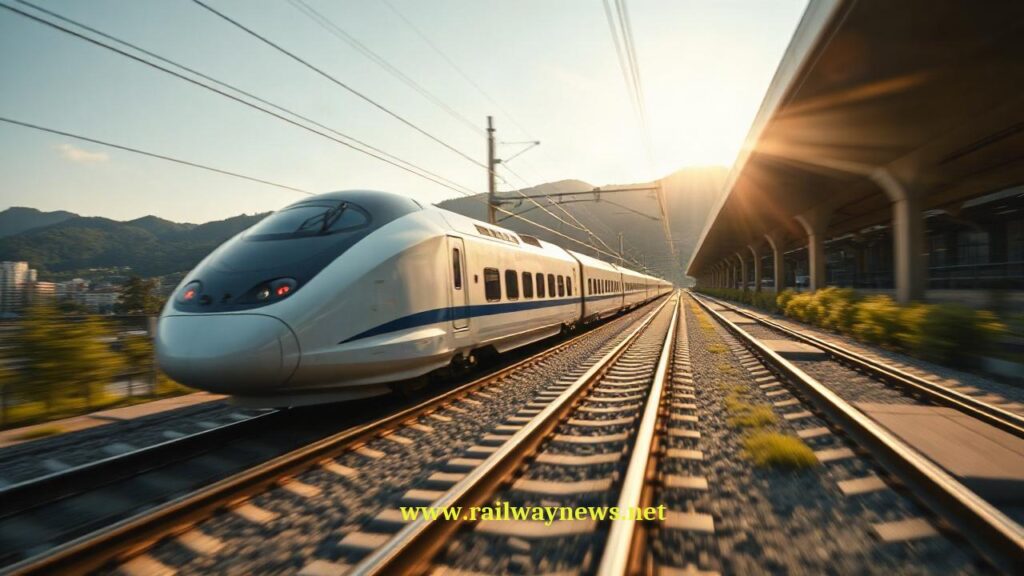
Hitachi delivered Taiwan's first N700ST high-speed train from Japan in...

September 5, 2026 4:19 pm
CPK launched formal tender talks with four consortia to design...

September 5, 2026 7:14 pm
HS2 Ltd signed renegotiated civils contracts with EKFB and Align...

September 6, 2026 4:12 am
Alstom delivered the first of 100 new G Class trams...
September 6, 2026 6:17 am
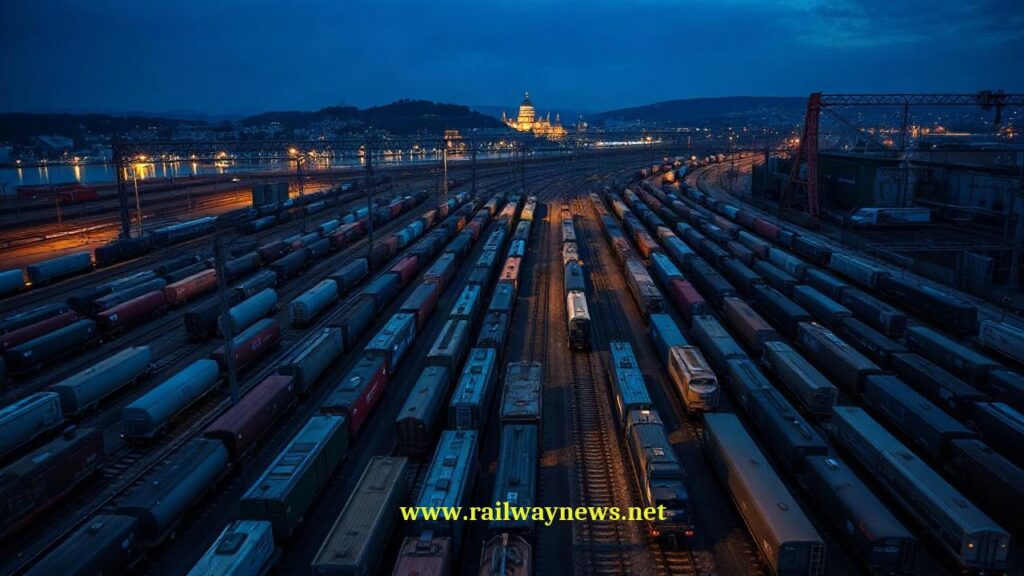
Hungary ordered a national ban on most freight trains from...
September 6, 2026 1:17 am
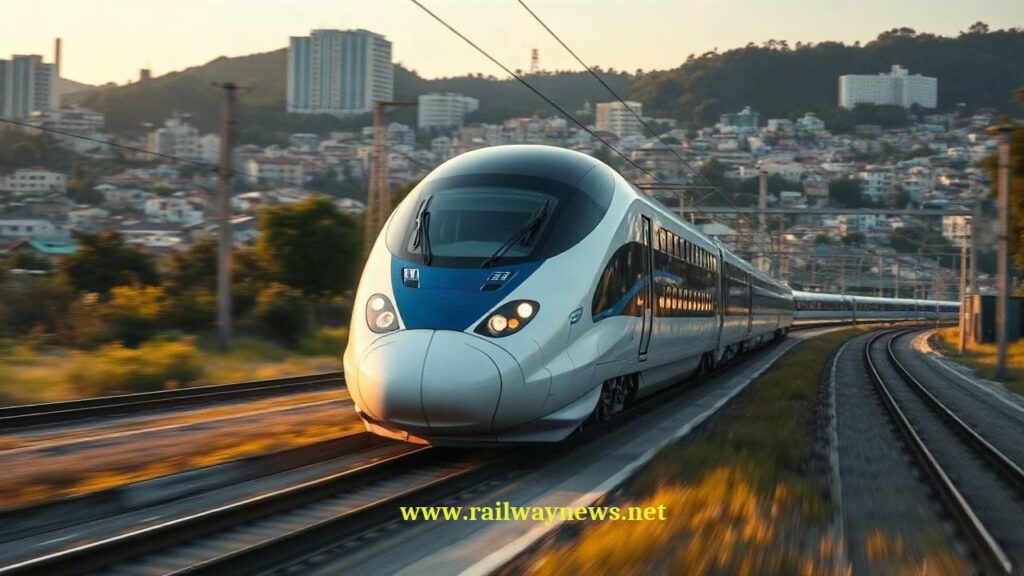
Hitachi Toshiba Supreme Consortium confirmed the first of 12 N700ST...