
DB’s S3 Program: Retrofitting Railway Trains – Avoiding Pitfalls
DB’s S3 program highlights railway retrofitting challenges. Modular modernization and cybersecurity are crucial for successful projects.
Introduction
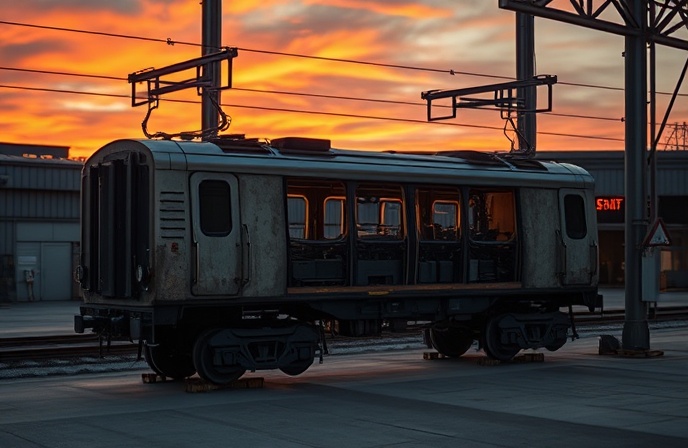
Deutsche Bahn (DB) launched its S3 program in Germany in 2024, focusing on digital improvements to existing trains. Retrofitting is a popular solution for railway operators worldwide, offering a cost-effective way to modernize existing fleets. However, retrofitting projects can face challenges that lead to increased costs and delays.
Avoiding Common Pitfalls in Railway Retrofitting
The railway sector is under increasing pressure to modernize due to growing passenger numbers and expectations. Retrofitting offers a smart solution to introduce modern capabilities, but it carries risks that can make projects more expensive than budgeted.
Modular Modernization
Many rail operators encounter a situation where off-the-shelf modern platforms lack the interfaces needed to preserve working legacy subsystems, such as those using MVB, serial links, or CAN networks. A solution is modular modernization, which involves choosing interoperable building blocks designed for incremental, risk-controlled upgrades. Standardized platforms like CompactPCI Serial can be used to add required functionality. Alternatively, an off-the-shelf edge computer can be combined with an external cellular modem or a universal gateway.
Cybersecurity Considerations
Modernization introduces new attack surfaces, especially with the introduction of digital services. Regulations like the Cyber Resilience Act (CRA) are emerging, making compliance essential. Cybersecurity needs to be an integral part of the architecture, particularly when connecting older systems. This involves foundational protections like secure boot, signed firmware, and access controls. Proper isolation through virtual networks, firewalls, or physical separation is also crucial. Lifecycle management is essential, requiring technologies and partners familiar with the strict standards and long deployment cycles in the railway sector.
Lifecycle Mismatch
The useful life of hardware in the rail industry is 15 to 20 years, but software lifecycles are much shorter. This mismatch creates problems, as updates for the operating system may no longer be available, the toolchain may not be supported, or cybersecurity may be compromised. Modernization should prioritize durability in both hardware and software. This includes choosing platforms designed for long-term support, using software stacks validated in rail environments, and decoupling system layers. Lifecycle planning should also include processes for obsolescence monitoring, redesign paths, and second-source strategies.
Last June 2025, we published an article about Renfe’s cutting-edge Aranjuez maintenance hub for Cercanías trains. Click here to read – Future of Rail: Renfe’s Railway Technology Hub, Aranjuez: Essential Guide
Conclusion
Retrofitting existing railway vehicles is a significant trend, but challenges exist. Operators are using retrofitting as a smart solution to introduce modern capabilities like digital connectivity, cybersecurity, and diagnostics without rebuilding from scratch. However, the success of these projects hinges on addressing key issues such as compatibility, cybersecurity, and lifecycle management to avoid cost overruns and delays.
Company Summary
Deutsche Bahn (DB): A German railway company that launched its S3 program in 2024, focusing on digital improvements to existing trains.
RELATED POSTS
Mexico's railway future is here! Construction starts in 2025 on...
September 15, 2025 7:55 pm
Digital transformation is revolutionizing the global rail industry, boosting connectivity...

May 30, 2025 5:00 am
Wabtec ES43ACi Locomotive Unveiled for Simandou Iron Ore Project The...
November 26, 2025 7:01 pm
MTA unveils new rail-car facility, a vital step in its...

November 11, 2007 8:36 pm
Canadian-based rail manufacturer Bombardier Transportation will supply fleet operations services...

November 27, 2015 7:43 pm
Bombardier Transportation will supply four additional BOMBARDIER FLEXITY 2 trams to Australia’s...