
DB’s ICE 4 Expansion: Germany’s High-Speed Rail Future
Deutsche Bahn’s ICE 4 expansion: Modular design maximizes operational flexibility, optimizing resource allocation across its vast network. Discover how!
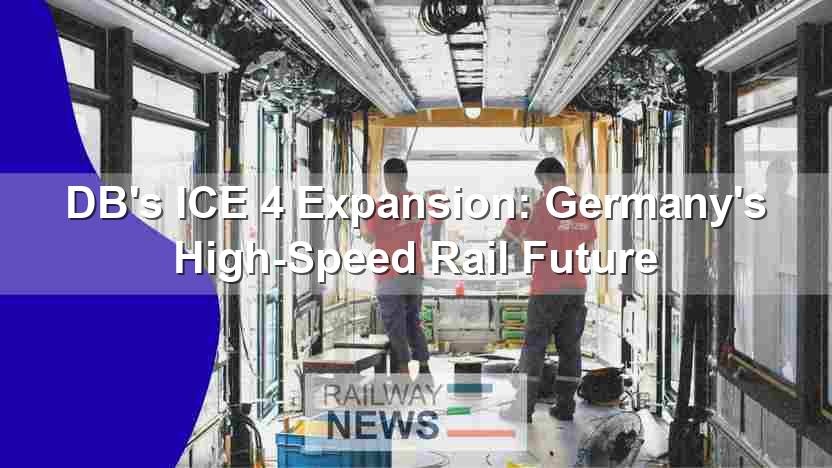
This article analyzes Deutsche Bahn (DB)’s (German Railways) significant expansion of its ICE 4 high-speed train fleet. The recent order of additional trainsets and power cars represents a strategic investment aimed at enhancing operational flexibility and meeting growing passenger demand across Germany, Austria, and Switzerland. The decision to increase the number of ICE 4 units goes beyond simply adding capacity; it demonstrates a commitment to a modular and adaptable train design that allows for dynamic configuration to suit varied operational needs. This expansion underscores the importance of fleet modernization and the strategic advantages offered by flexible rolling stock in managing a complex and evolving railway network. We will explore the technical aspects of the ICE 4’s design, the operational benefits of this modular approach, and the overall implications for DB’s long-term strategic goals.
The ICE 4’s Modular Design and Operational Flexibility
The core of DB’s strategy lies in the ICE 4’s innovative power car principle. Unlike traditional trainsets where power is distributed across multiple carriages, the ICE 4 concentrates traction components within dedicated power cars. This design allows for a wide range of configurations, from seven-car to thirteen-car units, simply by adding or removing power cars. This flexibility is crucial for DB, allowing them to tailor train lengths to passenger demand on different routes. A shorter seven-car train might suffice for less busy regional routes, while longer twelve- or thirteen-car trains can handle peak-hour demand on major intercity lines. This adaptability reduces the need for multiple train types, simplifying maintenance and reducing operational complexity.
Expanding the Fleet: A Detailed Look at the Order
DB’s recent order encompasses 18 additional seven-car ICE 4 trainsets and 50 power cars. These power cars can be coupled with existing 50 twelve-car ICE 4 sets, extending them to thirteen-car configurations. This modular approach allows DB to optimize its fleet according to the specific needs of its diverse network. The seven-car units are intended for routes with lower passenger numbers while the longer units will serve high-demand routes. The €198 million order, part of a larger €610 million contract, represents a significant investment that underlines DB’s commitment to modernizing its infrastructure and enhancing its operational efficiency. The delivery schedule is staggered, with seven-car sets expected from 2023 and thirteen-car sets following the completion of the initial 50 twelve-car units in 2021.
Strategic Implications for Deutsche Bahn
DB’s ICE 4 expansion is more than just a fleet upgrade; it’s a strategic move to improve operational efficiency and passenger satisfaction. The modular design allows for dynamic resource allocation, tailoring train lengths to meet varying passenger demand across different routes and times of day. This adaptability optimizes resource utilization and reduces operational costs. Additionally, the ability to easily adjust train configurations contributes to improved punctuality and overall service reliability. The longer 12 and 13-car trains will serve the high-demand intercity routes between Germany, Austria, and Switzerland, while the shorter 7-car trains will meet the needs of shorter routes within Germany and Austria.
Conclusion: A Modern Approach to Railway Operations
Deutsche Bahn’s decision to expand its ICE 4 fleet represents a significant strategic investment in its future. The focus on modularity, enabled by the innovative power car design, is a key factor in enhancing operational flexibility and efficiency. The ability to dynamically configure train lengths based on passenger demand allows DB to optimize resource allocation and improve service reliability. This approach contrasts with traditional railway strategies that often rely on a larger number of fixed-configuration trainsets, which can lead to overcapacity on some routes and undercapacity on others. The ICE 4’s adaptable design allows DB to respond effectively to fluctuating demand, ultimately improving passenger satisfaction and overall operational performance. The successful implementation of this modular approach could serve as a model for other railway operators globally, showcasing the advantages of flexible and adaptable rolling stock in a dynamic and ever-evolving transportation landscape. The total procurement of 1,511 train cars, configurable into various lengths, ensures a robust and adaptable fleet capable of meeting the evolving needs of DB’s extensive network for years to come. This strategy highlights a forward-thinking approach to rail management and a commitment to delivering an efficient and customer-focused service.

Railway infrastructure, rolling stock and transport technologies specialist focused on global rail industry developments, high-speed rail systems, signaling technologies and freight transportation. Covering railway investments, public transport modernization, rail operations and international mobility projects across Europe, Asia and North America.
RELATED POSTS

October 1, 2026 7:09 am
United States regulators confirmed a September 30 deadline for the...

October 4, 2026 5:14 pm
Alstom secured a CA$4.7 billion order from VIA Rail Canada...

October 6, 2026 2:14 am
Union Pacific launched export rail shipments with Ferromex to deliver...

October 1, 2026 12:13 am
Illinois approved $1.5 billion annually for the Northern Illinois Transit...

October 8, 2026 1:15 pm
Alstom secured a €1bn contract to build 13 automated trains,...

October 1, 2026 6:10 am
Amtrak approved a System Expansion Committee on July 30 to...