
DB’s €10.7B Rail Upgrade: Modernizing German Tracks
Deutsche Bahn’s €10.7 billion rail network modernization: Witness transformative upgrades boosting efficiency and reliability. Discover how!
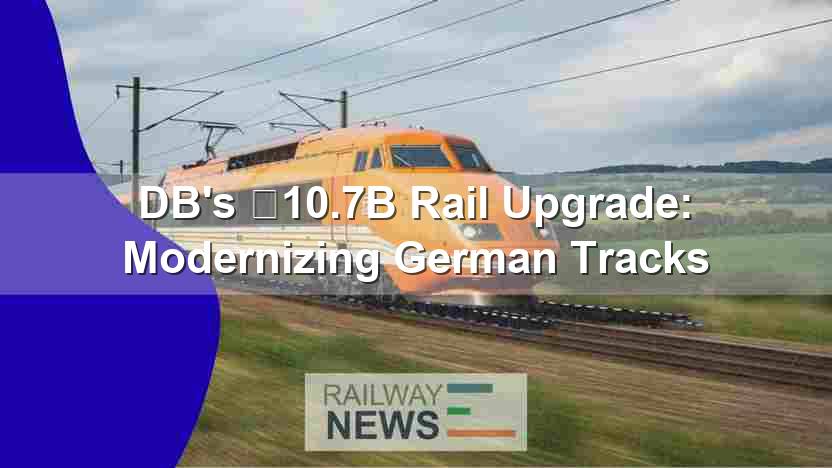
This article analyzes Deutsche Bahn (DB)’s significant investment of €10.7 billion (approximately $12.1 billion USD) in upgrading its railway network across Germany. This substantial financial commitment reflects the urgent need to address persistent delays and disruptions plaguing the German rail system, impacting both passenger and freight transportation. The investment strategy focuses on a multifaceted approach encompassing track renewal, bridge refurbishment, station modernization, and network expansion. The subsequent sections will delve into the specifics of this ambitious plan, examining its scope, implementation strategies, and projected impact on the efficiency and reliability of the German railway network. We will further explore the organizational structure of Deutsche Bahn and the challenges inherent in undertaking such a large-scale infrastructure project within a functioning operational environment. Finally, the long-term implications for the German economy and the wider European rail transportation sector will be considered.
Track and Infrastructure Renewal
A core component of DB’s investment involves the detailed renewal of 500 kilometers of rail track. This encompasses not only the replacement of aging track components but also the implementation of modern signaling systems and improved track bed maintenance techniques. This renewal program aims to improve the overall ride quality, increase track speed limits (where feasible), and ultimately reduce the frequency of delays caused by track-related issues. The use of advanced materials and construction methods are crucial to extending the lifespan of the upgraded infrastructure and minimizing future maintenance needs. The selection of materials and techniques must balance initial cost with long-term cost-effectiveness and environmental impact. The integration of new technologies, such as predictive maintenance systems based on data analytics, will also play a significant role in enhancing the efficiency and longevity of the network.
Bridge and Station Upgrades
The investment also targets the rehabilitation of approximately 300 bridges and nearly 650 railway stations. Bridge upgrades are essential for ensuring the structural integrity and safety of the network. This involves rigorous inspections, repairs, and in some cases, complete replacements, depending on the age and condition of each structure. Similarly, station upgrades aim to enhance passenger experience through improved accessibility, modernized facilities (including waiting areas, ticketing systems, and passenger information displays), and enhanced security measures. Such improvements are crucial for increasing passenger satisfaction and attracting more ridership. The implementation schedule for these projects must consider minimizing disruption to passenger services, requiring careful planning and coordination.
Network Expansion and Capacity Enhancement
Beyond refurbishment, a substantial portion of the investment focuses on expanding the rail network’s capacity. Approximately 50 major projects are underway, focusing on strategic enhancements to accommodate increased passenger and freight traffic. This might involve constructing new lines, extending existing ones, adding extra tracks to existing lines (double tracking or quadrupling), and upgrading signaling systems to allow for higher train densities. Careful consideration of environmental impact assessments (EIA) is crucial in the planning and execution of these expansion projects. The use of environmentally friendly materials and construction techniques is vital to minimize the overall carbon footprint. Effective project management, incorporating robust risk assessment and mitigation strategies, is paramount to ensuring timely completion.
Minimizing Disruption and Operational Efficiency
DB’s strategy emphasizes minimizing disruptions to normal rail services during construction. Most works are scheduled for nighttime hours, and the company has augmented its workforce and established auxiliary support structures to expedite the process. This proactive approach, combined with a 27% reduction in delays despite a 20% increase in construction volume, showcases the company’s commitment to operational efficiency. Continuous monitoring of progress and proactive adjustment of the project schedule are crucial to successfully managing the complexities of this large-scale infrastructure program. The utilization of advanced project management tools and techniques can aid in optimizing resource allocation and minimizing delays.
Conclusion
Deutsche Bahn’s €10.7 billion investment represents a substantial commitment to modernizing its railway network. This detailed strategy addresses several critical issues, including aging infrastructure, increasing passenger and freight demand, and persistent operational challenges. The investment plan, covering track renewal, bridge and station upgrades, and network expansion, aims to significantly improve the efficiency, reliability, and safety of the German rail system. The focus on minimizing disruptions to ongoing services underscores a commitment to operational excellence. The success of this initiative is not solely dependent on financial resources but also hinges upon effective project management, technological innovation, and skilled workforce management. The long-term benefits extend beyond improved passenger and freight transportation; the modernized network will contribute significantly to Germany’s economic competitiveness and sustainability goals, bolstering its position in the broader European rail transportation landscape. The strategic implementation of this plan, prioritizing both infrastructure renewal and operational efficiency, will be pivotal in transforming the German railway system into a more reliable, efficient, and sustainable mode of transport for years to come. Careful monitoring of project progress and adaptation to unforeseen challenges will be crucial in achieving the desired outcomes and ensuring a positive return on this substantial investment. The plan demonstrates a commitment to long-term infrastructural development, vital for the future success of the German railway system.

Railway infrastructure, rolling stock and transport technologies specialist focused on global rail industry developments, high-speed rail systems, signaling technologies and freight transportation. Covering railway investments, public transport modernization, rail operations and international mobility projects across Europe, Asia and North America.
RELATED POSTS

October 1, 2026 7:09 am
United States regulators confirmed a September 30 deadline for the...

October 8, 2026 1:15 pm
Alstom secured a €1bn contract to build 13 automated trains,...

October 4, 2026 5:14 pm
Alstom secured a CA$4.7 billion order from VIA Rail Canada...

October 1, 2026 12:13 am
Illinois approved $1.5 billion annually for the Northern Illinois Transit...

October 6, 2026 2:14 am
Union Pacific launched export rail shipments with Ferromex to deliver...

October 1, 2026 6:10 am
Amtrak approved a System Expansion Committee on July 30 to...