
CSX’s Green Revolution: Locomotive Modernization
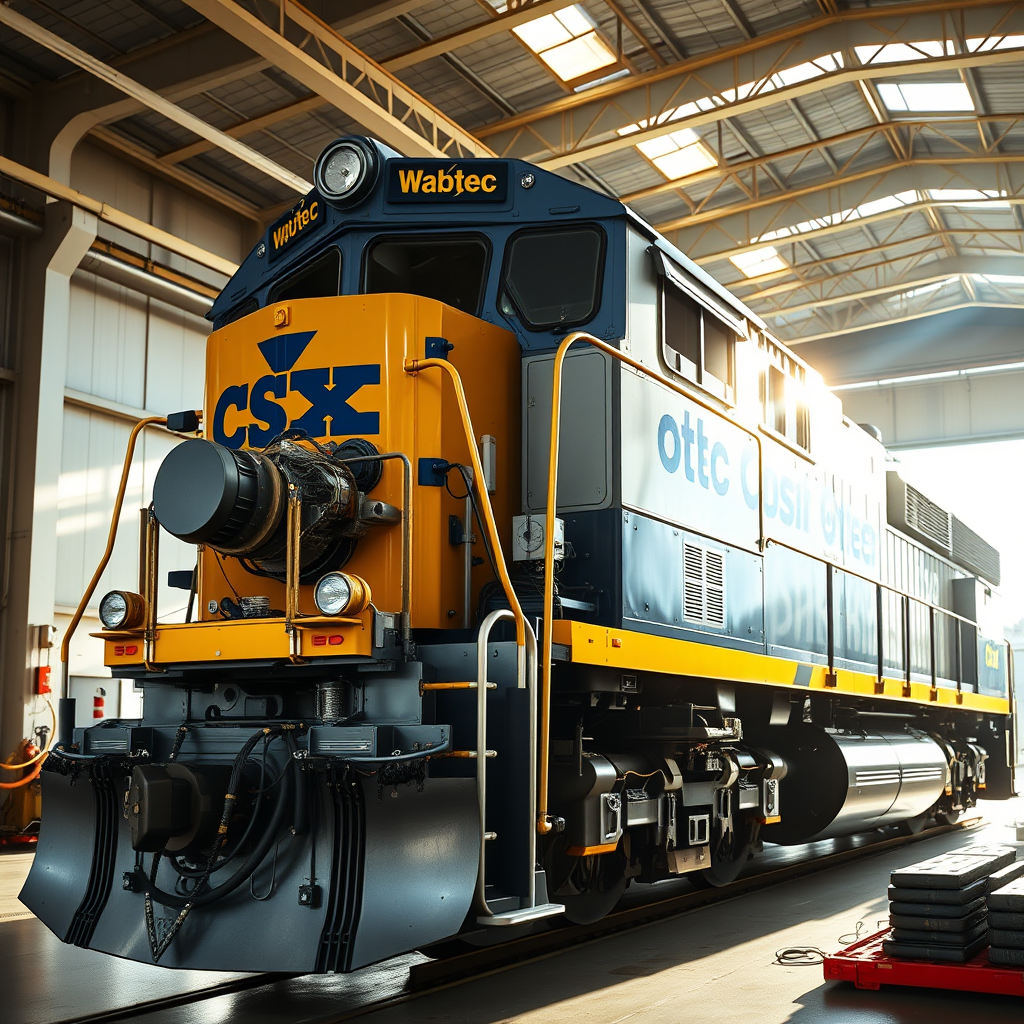
The North American railway industry is undergoing a significant transformation, driven by the imperative to improve operational efficiency and reduce environmental impact. This article delves into a substantial locomotive modernization project undertaken by CSX (CSX Corporation), a major North American railroad company, in partnership with Wabtec Corporation, a leading provider of railway equipment and services. This collaboration focuses on upgrading over 200 AC4400 locomotives (a type of high-horsepower diesel-electric locomotive) with advanced technologies, aiming for substantial fuel efficiency gains and emissions reductions. The project represents a significant investment in extending the lifespan of existing assets while simultaneously achieving environmental sustainability goals. The modernization strategy involves a multifaceted approach, encompassing hardware upgrades, software enhancements, and digital solutions integrated to optimize locomotive performance and overall operational efficiency. The ensuing discussion will analyze the technological aspects of the modernization, the expected environmental benefits, the economic implications, and the broader strategic significance of this initiative within the context of the evolving railway landscape.
Technological Enhancements for Optimized Performance
The core of the CSX-Wabtec collaboration lies in the integration of cutting-edge technologies designed to enhance locomotive performance and operational efficiency. Wabtec’s FDL Advantage engine upgrade is a key component, focusing on improving fuel combustion and reducing fuel consumption. This upgrade is complemented by the LOCOTROL Expanded Architecture, a sophisticated software solution that enhances onboard communication capabilities. This system enables improved data management and facilitates real-time monitoring of locomotive performance, leading to proactive maintenance scheduling and reduced downtime. The improved communication infrastructure also allows for better integration with centralized train control systems, optimizing train operations and reducing delays. These technological advancements represent a significant step towards improving both the locomotive’s operational efficiency and its overall lifespan.
Environmental Sustainability Through Emissions Reduction
A primary driver behind this modernization initiative is the commitment to environmental sustainability. The projected reduction of 170 tons of carbon emissions per locomotive annually translates to a significant overall reduction of approximately 35,000 tons per year for the entire fleet. This substantial decrease in greenhouse gas emissions aligns with the growing industry focus on reducing its environmental footprint. The modernization initiative contributes to CSX’s broader sustainability goals, demonstrating a proactive approach towards mitigating the environmental impact of railway operations. Furthermore, the extended lifespan of the modernized locomotives directly reduces the need for manufacturing new locomotives, further minimizing the environmental impact associated with production and material sourcing.
Economic Benefits and Lifecycle Cost Reduction
The economic benefits extend beyond immediate fuel savings. By extending the operational life of the AC4400 fleet, CSX avoids the substantial capital expenditure associated with purchasing new locomotives. The reduced maintenance costs associated with improved reliability and proactive maintenance scheduling contribute further to cost savings. The enhanced efficiency translates to direct cost savings in terms of fuel consumption, which is a significant operating expense for any railroad. This modernization strategy underscores a fiscally responsible approach to fleet management, balancing immediate cost reductions with long-term financial benefits. The combination of operational efficiency and extended lifespan results in a significant return on investment, validating the economic viability of the project.
Strategic Implications and Industry Trends
The CSX-Wabtec partnership exemplifies a significant industry trend: the strategic modernization of existing assets as a pathway towards enhancing efficiency and sustainability. Rather than focusing solely on purchasing new locomotives, railroads are increasingly adopting modernization programs to optimize their existing fleets. This approach is cost-effective, minimizes environmental impact, and allows for incremental improvements in performance over time. The success of this initiative could serve as a model for other railroad companies seeking to achieve similar goals. The focus on digital solutions and data-driven decision-making underscores the growing importance of technology in optimizing railway operations. The integration of advanced technologies, such as predictive maintenance and improved communication systems, will pave the way for more efficient and sustainable railway operations in the future.
Conclusions
The CSX locomotive modernization program, in collaboration with Wabtec, represents a significant advancement in the railway industry’s pursuit of efficiency and sustainability. The project, encompassing the upgrade of over 200 AC4400 locomotives with advanced technologies like the FDL Advantage engine and LOCOTROL Expanded Architecture, demonstrates a commitment to reducing both operational costs and environmental impact. Projected annual emissions reductions of approximately 35,000 tons highlight the program’s environmental benefits, aligning with broader industry goals of reducing greenhouse gas emissions. The strategic decision to modernize existing assets instead of purchasing new locomotives showcases a fiscally responsible approach, balancing immediate cost savings with long-term financial advantages. The technological enhancements, including improved fuel efficiency, proactive maintenance scheduling, and enhanced communication capabilities, collectively contribute to a substantial increase in operational efficiency. This project serves as a compelling example of how technological innovation can be leveraged to achieve both environmental sustainability and economic viability within the railway sector. The success of this initiative sets a precedent for future modernization projects and underscores the growing importance of data-driven decision-making, predictive maintenance, and integrated digital solutions in optimizing railway operations for a more sustainable and efficient future. The long-term implications for the industry are significant, suggesting a shift towards modernization strategies as a more sustainable and economically viable alternative to complete fleet replacement. This strategic move by CSX demonstrates a commitment to responsible environmental stewardship and forward-thinking financial management, setting a positive example for the entire railway industry.
RELATED POSTS
February 14, 2025 3:57 am
The UK rail industry is currently facing significant challenges, as...

September 13, 2021 10:08 am
Introduction This article examines the significant expansion of Greater Anglia’s...
June 17, 2019 4:02 am
This article analyzes the contract awarded to CAF (Construcciones y...
February 5, 2022 5:54 am
Revitalizing Chicago’s Transit Infrastructure: The Red and Purple Modernization Project...
November 28, 2017 6:22 am
Optimize your rail infrastructure for a superior passenger experience. ...
October 17, 2019 6:24 pm
This article examines the significant contract awarded to Stadler, a...