
CSX-Teamsters Contract: A Win-Win for Labor & Rail
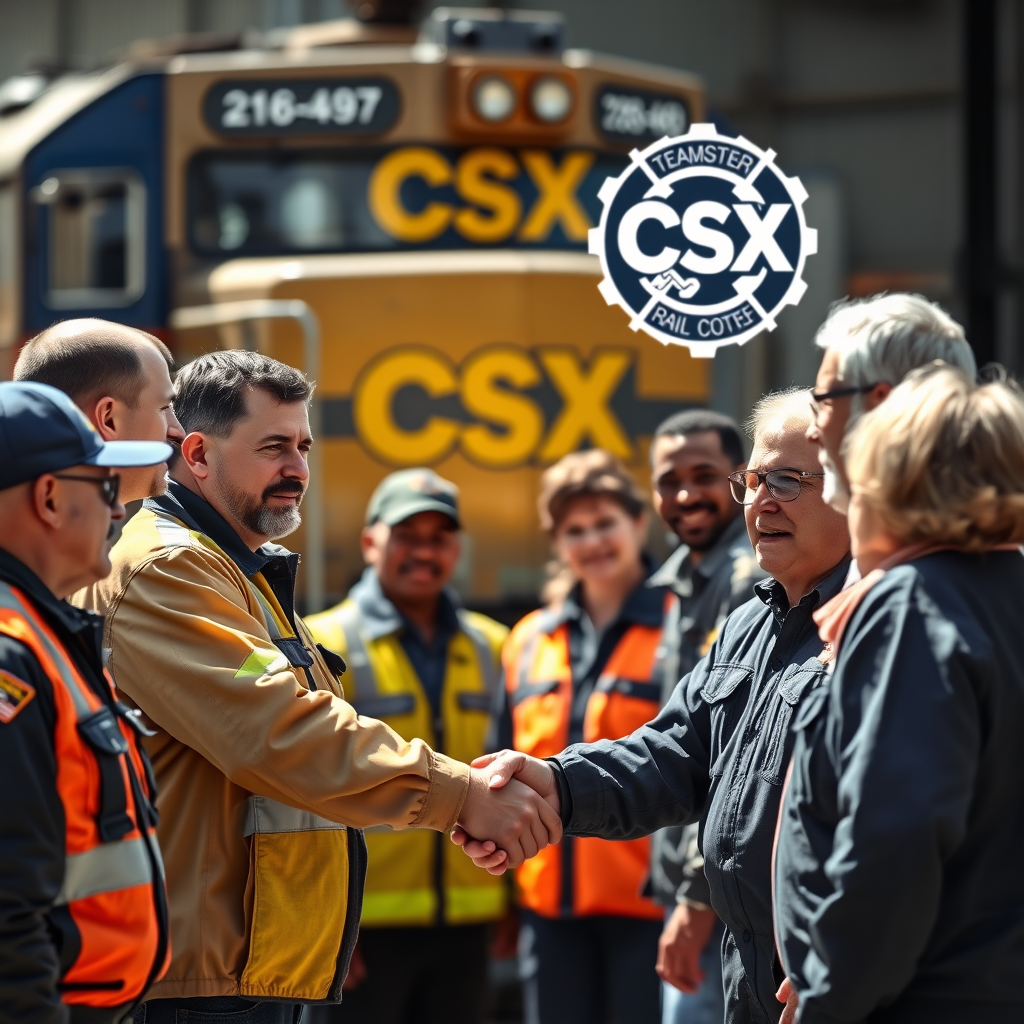
The CSX-Teamsters Contract: A Case Study in Labor Relations within the Freight Rail Industry
This article examines the recently ratified five-year contract between CSX Transportation (CSX), a major Class 1 freight railroad in the eastern United States and Canada, and the Teamsters Rail Conference union. This agreement, covering over 4,000 employees, represents a significant development in the ongoing labor negotiations within the North American freight rail sector. The deal’s implications extend beyond the immediate benefits for CSX employees, offering valuable insights into current labor dynamics, the evolving relationship between management and labor unions in the railway industry, and the broader context of workforce management in a highly regulated and safety-critical environment like freight rail. The agreement’s focus on improved compensation, benefits, and working conditions will be analyzed, along with its potential impact on operational efficiency and the overall stability of CSX’s operations. Furthermore, the article will explore the broader context of this agreement within the larger landscape of CSX’s labor relations, considering the company’s progress in reaching agreements with other unions and its stated commitment to improving employee relations and workplace culture.
Significant Wage Increases and Benefit Improvements
The contract delivers an 18% salary increase over five years, a substantial improvement for the represented workers. Beyond wages, the agreement significantly enhances health and welfare benefits and streamlines the process for accumulating paid vacation time. These improvements are presented by the Teamsters as a major victory, addressing key concerns regarding compensation and work-life balance. The elimination of increased employee contributions to healthcare further underscores the union’s success in negotiating a comprehensive package benefiting its members. This aspect is particularly noteworthy in the context of current economic conditions and the increasing cost of healthcare in the United States.
Impact on Operational Efficiency and Safety
While focusing on improved employee well-being, the agreement also acknowledges the importance of operational efficiency and safety. The contract includes provisions that address “vital positions,” locking in bonus structures to incentivize performance and maintain operational reliability. This suggests a recognition by both parties that a well-compensated and motivated workforce is essential for efficient and safe railway operations. The avoidance of work stoppages also contributes to operational stability and prevents disruptions to the flow of goods across CSX’s extensive network.
Strategic Implications for CSX and the Broader Rail Industry
The agreement’s ratification signifies a significant step forward in CSX’s labor relations strategy. With ten ratified agreements now in place, covering 42% of unionized employees, the company demonstrates a commitment to collaborative engagement with its workforce. This proactive approach to labor relations contrasts with some recent instances of contentious negotiations within the rail industry, potentially setting a positive precedent for future bargaining processes. Furthermore, the emphasis on creating a “valued, respected, included, and appreciated” workplace environment suggests a shift towards a more employee-centric management philosophy, potentially contributing to increased employee retention and morale.
Conclusion
The CSX-Teamsters contract serves as a compelling case study in successful labor negotiations within the freight rail industry. The agreement’s provisions, including substantial wage increases, improved benefits, and streamlined vacation accrual, represent a significant win for the union membership. The deal’s impact extends beyond the immediate benefits for CSX employees, highlighting the importance of a collaborative and respectful approach to labor relations. By prioritizing employee well-being and operational efficiency, CSX and the Teamsters have established a framework that could serve as a model for future negotiations within the industry. The contract’s success in achieving substantial improvements without significant increases in employee contributions to benefits demonstrates the effectiveness of collective bargaining in securing favorable outcomes. The successful negotiation also underscores the critical role of unions in advocating for workers’ rights and promoting a fair and equitable workplace within the demanding environment of the freight rail sector. This outcome, coupled with CSX’s broader commitment to securing similar agreements with other unions, offers a positive outlook for the future of labor-management relations within the company and may influence labor relations strategies within the broader rail industry. The focus on improved safety and efficiency alongside employee well-being showcases the possibility of achieving a win-win scenario, where a thriving workforce contributes directly to a successful and sustainable railway operation.
RELATED POSTS

July 30, 2022 10:51 am
Reducing Level Crossing Waiting Times: A Technological Advance This article...
April 14, 2022 6:13 pm
This article delves into the significant contract awarded to Siemens...
August 8, 2025 6:33 pm
Union Pacific opens new Kansas City intermodal terminal, boosting Midwest...
October 29, 2022 4:35 am
Strategic Rail Maintenance and Technological Advancement: A Partnership Between Wabtec...

September 21, 2015 2:46 pm
Namibia’s national railway TransNamib has signed a $22.7m contract with...
March 11, 2022 11:41 pm
Revolutionizing Railway Maintenance: Real-time Track Monitoring with Digital Sensors The...