
CSEE-Led Consortium Commissions First ARGOS Digital Interlocking in France
First ARGOS **digital interlocking** commissioned in France, boosting **railway** modernization. This partnership aims to enhance performance and accelerate signalling renewals.
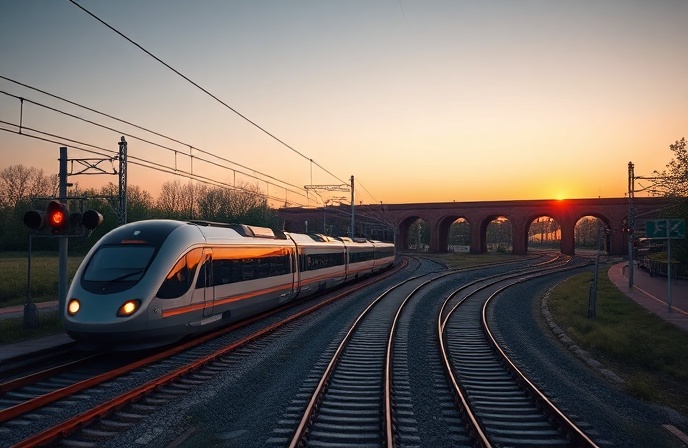
A consortium led by Compagnie des Signaux (CSEE), alongside Eiffage Énergie Systèmes and Systra, has successfully commissioned the first ARGOS digital interlocking at the Reding–Saverne pilot site in France’s Grand Est region, marking a significant advancement in the modernisation of the national rail network. This achievement, developed in partnership with SNCF Réseau over five years, is set to accelerate signalling renewals and enhance the performance and resilience of railway operations.
| Key Entity | Critical Detail |
|---|---|
| Lead Consortium | Compagnie des Signaux (CSEE), Eiffage Énergie Systèmes, Systra |
| Project Milestone | First ARGOS digital interlocking commissioned |
| Location | Reding–Saverne pilot site, Grand Est region, France |
| Partner | SNCF Réseau |
| Development Timeline | Five years |
| Strategic Goal | Double signalling renewal rate by 2032 |
| Technology | ARGOS digital interlocking |
The ARGOS solution represents a pivotal step in the digital transformation of France’s national rail network (RFN). Its fully digital, modular architecture is specifically engineered to address the escalating operational demands placed upon the RFN. Through a strategic, long-term innovation partnership with SNCF Réseau, the ARGOS programme is designed to significantly expedite signalling renewals, aiming for a doubling of the current rate by 2032. This ambitious target directly supports France’s national strategy for network regeneration, a critical initiative aimed at boosting overall performance and enhancing the resilience of its vital railway infrastructure.
Strategic Impact
This successful commissioning at the Reding–Saverne site underscores the robust and enduring partnership between SNCF Réseau and the consortium members. It serves as a tangible demonstration of their collective capability to execute and deliver complex industrial programmes essential for the digital evolution of the French rail system. The ARGOS initiative is integral to a wider strategic vision that includes the development of the ARGOS RBC, a future European Train Control System (ETCS) compatible solution. This broader vision is poised to foster greater interoperability within the European rail network, thereby improving national and cross-border mobility.
Operational Advancements
The ARGOS digital interlocking technology facilitates the deployment of high-performance interlocking stations, characterised by real-time data exchange capabilities. This allows for more rapid incident management and localised containment of failures, a crucial feature for minimising operational disruptions. Additionally, cybersecurity has been a core consideration from the initial design phase, with enhanced protections embedded to ensure a safer and more reliable operational environment for all stakeholders. These advancements are vital for ensuring the reliability of day-to-day operations for passengers and supporting France’s broader decarbonisation goals through an efficient and modernised rail network.
Last June 2025, we published an article about Renfe’s cutting-edge Aranjuez maintenance hub. Click here to read – Future of Rail: Renfe’s Railway Technology Hub, Aranjuez: Essential Guide
Industry Context
The successful deployment of the ARGOS digital interlocking signifies a substantial leap forward in railway signalling technology, directly addressing the industry’s pressing need for modernisation and enhanced operational efficiency. For railway operators and infrastructure managers globally, this development highlights the potential of digital solutions to overcome legacy system limitations, improve safety, and increase capacity. As national rail networks face growing demands from both freight and passenger traffic, coupled with ambitious climate targets, the ARGOS system’s modularity, real-time data processing, and inherent cybersecurity features present a compelling model for future signalling investments. This innovation is not merely about upgrading existing infrastructure; it is about enabling a more agile, resilient, and future-proof railway system capable of meeting the evolving mobility needs of the 21st century and contributing to a sustainable transport future.

Railway infrastructure, rolling stock and transport technologies specialist focused on global rail industry developments, high-speed rail systems, signaling technologies and freight transportation. Covering railway investments, public transport modernization, rail operations and international mobility projects across Europe, Asia and North America.
RELATED POSTS

October 8, 2026 1:15 pm
Alstom secured a €1bn contract to build 13 automated trains,...

October 1, 2026 7:09 am
United States regulators confirmed a September 30 deadline for the...

October 4, 2026 5:14 pm
Alstom secured a CA$4.7 billion order from VIA Rail Canada...

October 5, 2026 6:12 pm
AECOM and Jacobs secured a contract in September 2026 to...

October 1, 2026 12:13 am
Illinois approved $1.5 billion annually for the Northern Illinois Transit...

October 4, 2026 11:08 pm
Sound Transit confirmed the September 30 opening of Seattle Pinehurst...