
CN’s $182M Quebec Rail Investment: Growth & Safety
CN’s $182 million Quebec rail infrastructure investment boosts safety, efficiency, and economic growth. Discover how this strategic upgrade strengthens the network!
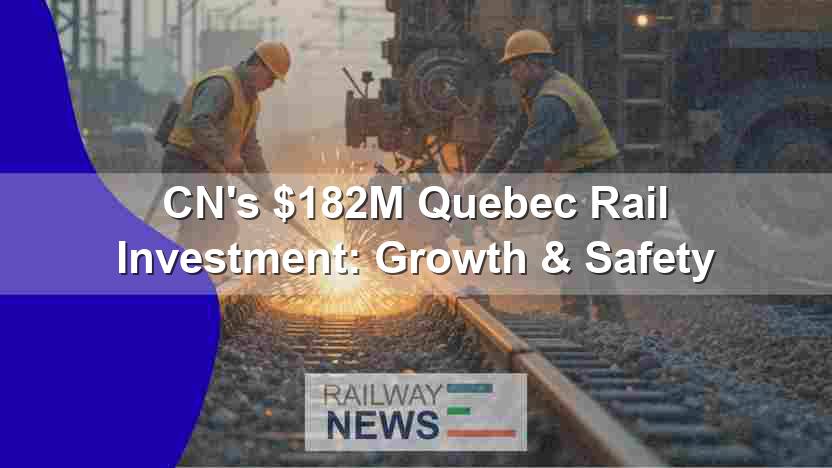
Canadian National Railway (CN) announced a significant investment of C$245 million (approximately $182.64 million USD) in 2019 to bolster its rail network infrastructure within the Quebec province. This substantial commitment underscores CN’s dedication to improving operational efficiency, enhancing safety protocols, and fortifying its position as a key player in the Canadian transportation sector. This article will delve into the specifics of this investment, exploring its impact on various aspects of CN’s operations, including infrastructure upgrades, technological advancements, and the overall economic benefits for Quebec. The analysis will also place this investment within the context of CN’s broader capital expenditure strategy, highlighting the importance of sustained investment in rail infrastructure for economic growth and competitiveness.
Infrastructure Revitalization
A significant portion of the allocated funds targeted the renewal and enhancement of CN’s existing infrastructure in Quebec. This encompassed the replacement of over 42 miles of rail track and the installation of 155,000 new railway ties. Such substantial renewal is crucial for maintaining track stability, reducing derailment risks, and ensuring the smooth, reliable operation of freight trains. Additionally, the reconstruction of 34 road crossings enhances safety for both motorists and rail traffic, mitigating the potential for accidents at these critical intersections. Maintenance work on culverts, signal systems, and other track infrastructure further strengthens the overall resilience and reliability of the rail network, minimizing operational disruptions.
Technological Advancements and Safety Enhancements
Beyond physical infrastructure upgrades, CN’s investment prioritized technological advancements aimed at improving safety and efficiency. The implementation of the Autonomous Track Inspection Program leverages cutting-edge technology to automate track inspections, identifying potential defects far more efficiently than traditional methods. This proactive approach contributes to reduced maintenance costs and the prevention of safety incidents. Similarly, the deployment of Distributed Air Cars (DACs) and Automated Inspection Portals streamlines the inspection process, enhancing the accuracy and reliability of safety checks. These technological enhancements significantly improve overall operational safety and efficiency.
Economic Impact and Strategic Significance
This investment extends beyond mere infrastructural improvements; it holds substantial economic implications for Quebec. The enhanced rail network facilitates the efficient transportation of agricultural products and consumer goods, supporting regional trade and economic growth. The improved infrastructure and heightened safety standards attract new businesses and investments, fostering economic activity within the province. The modernized network, particularly its impact on the Port of Montreal, a major intermodal transportation hub, strengthens Quebec’s position within Canada’s and North America’s supply chains. The investment reinforces the strategic role of the Port of Montreal and the surrounding region as a key logistics center.
Alignment with Broader Capital Strategy
The Quebec investment aligns seamlessly with CN’s broader C$3.9 billion ($2.9 billion USD) capital strategy. This detailed plan reflects CN’s commitment to supporting growth across all commodity segments, including consumer goods, grain, agricultural products, and forest products. The consistent investment in infrastructure and technology is a crucial element of CN’s long-term strategy to maintain its competitive advantage and meet the growing demand for efficient and reliable rail transportation. The investment demonstrates a commitment to sustainable growth and the strategic importance of rail in the Canadian economy.
Conclusion
CN’s C$245 million investment in Quebec’s rail infrastructure represents a significant commitment to improving safety, efficiency, and the overall economic prosperity of the region. The detailed breakdown of this investment – encompassing track renewal, road crossing upgrades, culvert maintenance, signal system improvements, and the implementation of advanced technologies such as the Autonomous Track Inspection Program and Distributed Air Cars – clearly demonstrates a multifaceted approach to modernizing the rail network. The positive ripple effects are far-reaching, encompassing enhanced safety standards, increased efficiency in goods transportation, and the overall strengthening of Quebec’s economic standing. By strategically investing in its infrastructure and leveraging technological advancements, CN reinforces its role as a pivotal player in the Canadian transportation landscape, demonstrating its ongoing commitment to sustainable growth and economic development within the province of Quebec. This investment is not just about upgrading infrastructure; it’s about building a more resilient, efficient, and safer rail network that contributes significantly to the economic vitality of Quebec and Canada as a whole. The long-term benefits of this investment extend beyond the immediate improvements, setting the stage for continued growth and competitiveness in the years to come. This strategic move underscores the vital role of rail transport in supporting Canada’s economic future.

Railway infrastructure, rolling stock and transport technologies specialist focused on global rail industry developments, high-speed rail systems, signaling technologies and freight transportation. Covering railway investments, public transport modernization, rail operations and international mobility projects across Europe, Asia and North America.
RELATED POSTS

October 1, 2026 7:09 am
United States regulators confirmed a September 30 deadline for the...

October 8, 2026 1:15 pm
Alstom secured a €1bn contract to build 13 automated trains,...

October 4, 2026 5:14 pm
Alstom secured a CA$4.7 billion order from VIA Rail Canada...

October 1, 2026 12:13 am
Illinois approved $1.5 billion annually for the Northern Illinois Transit...

October 6, 2026 2:14 am
Union Pacific launched export rail shipments with Ferromex to deliver...

October 8, 2026 12:18 pm
Siemens Mobility signed an agreement with VinSpeed to supply 350...