
China’s Rail Investment in Hungary: BRI’s Impact
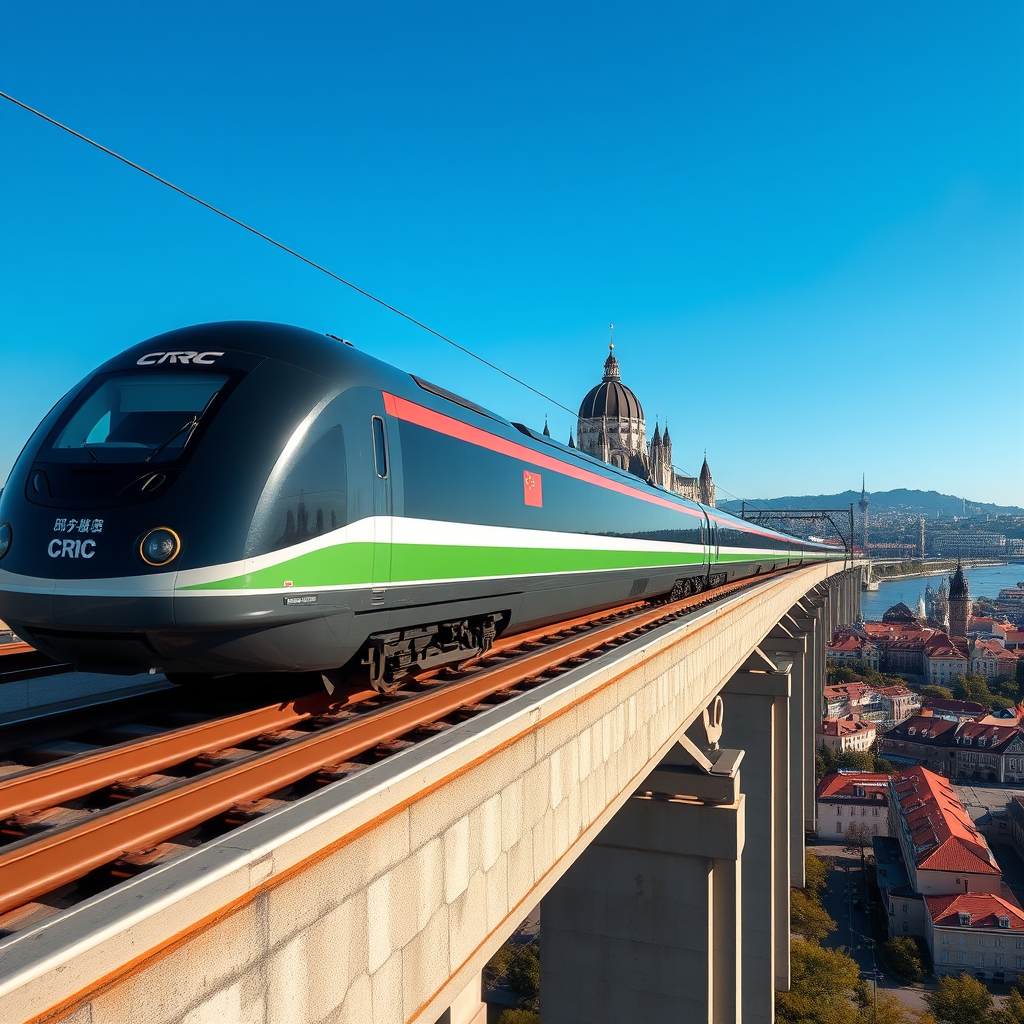
This article explores the potential for significant Chinese investment in Hungary’s railway infrastructure, spurred by a recent state visit by President Xi Jinping. The visit has seemingly strengthened Sino-Hungarian relations, leading to discussions about substantial projects aimed at modernizing and expanding the Hungarian rail network. These projects, while still in their early stages of planning and development, represent a considerable opportunity for Hungary to improve its transportation capabilities and connectivity. This analysis will delve into the specifics of the proposed projects, examine the geopolitical context underpinning this collaboration, and assess the potential implications for Hungary’s rail sector and its broader economic landscape. The strategic implications for both China’s Belt and Road Initiative (BRI) and Hungary’s position within the European Union will also be considered. The focus will primarily be on the technical aspects of rail development, the economic benefits and risks, and the geopolitical factors influencing this burgeoning partnership.
Proposed Rail Projects and Their Significance
Two key rail projects are currently under consideration: a new connection between Budapest’s city center and Ferenc Liszt International Airport (BUD), and an upgrade to the V0 Budapest line, designed to improve east-west connectivity within the country. The airport link is still in the planning phase, with two main options being explored: a direct line or a loop connecting to the main line network, allowing intercity services to access the airport. The V0 line upgrade aims to alleviate congestion by rerouting east-west traffic around the capital city. The successful implementation of these projects could significantly enhance Hungary’s transport network, facilitating passenger and freight movement, boosting tourism, and stimulating regional economic growth. These projects represent a significant investment in Hungary’s infrastructure, potentially leading to improved efficiency and modernization of the existing rail system. The scale of these projects underscores their potential impact on both the Hungarian and wider European rail networks.
Geopolitical Context and the Belt and Road Initiative (BRI)
Hungary’s continued participation in China’s BRI (Belt and Road Initiative), despite increasing geopolitical tensions between China and the West, is a crucial factor in this development. Hungary’s close relationship with China, particularly between President Orbán and President Xi, makes it a key partner for China in Europe. This strategic alignment has enabled the pursuit of large-scale infrastructure projects, with the Budapest-Belgrade railway already a prominent example of Sino-Hungarian collaboration under the BRI. The potential influx of Chinese investment into the Hungarian rail sector further reinforces this relationship, positioning Hungary as a vital link in China’s broader Eurasian connectivity strategy.
Economic Implications and Potential Challenges
The significant investment from China promises substantial economic benefits for Hungary. This includes job creation during construction and operation of the new lines, increased regional economic activity stimulated by improved transport links, and a boost to the tourism sector due to enhanced airport connectivity. However, potential challenges include potential debt burdens associated with Chinese financing, the need to ensure adherence to high safety and environmental standards, and the importance of securing the long-term sustainability of the projects beyond the initial investment phase. Careful management of these aspects is essential to maximize the benefits and minimize the risks associated with such large-scale investment projects. Thorough due diligence and transparent governance structures are crucial to successful implementation.
Technological Aspects and Industry Collaboration
The involvement of CCRC Zhuzhou Locomotive (part of China Railway Rolling Stock Corporation), a major player in the Chinese railway industry, signals a potential transfer of technology and expertise to Hungary. The plan to build rolling stock factories in Hungary suggests an aim to promote local manufacturing capacity and expertise, in addition to creating jobs and fostering local technological development. However, this also raises considerations around the integration of Chinese technologies with existing European standards and systems. Careful planning and collaboration with international railway standards bodies are necessary to ensure compatibility and interoperability across the network. This also opens opportunities for potential collaborations between Chinese and European railway companies.
Conclusions
The proposed Chinese investment in Hungary’s railway infrastructure presents a significant opportunity for both countries. For Hungary, it offers the chance to modernize its rail network, improve connectivity, and stimulate economic growth. For China, it strengthens its strategic position within Europe through the BRI. The projects discussed, including the new airport link and V0 Budapest line upgrades, represent substantial investments that can significantly enhance Hungary’s transport capabilities. The collaboration with CCRC Zhuzhou Locomotive showcases the potential for technology transfer and the creation of local manufacturing capacity. However, realizing the full potential of these projects requires careful consideration of various factors. These include managing potential financial risks associated with Chinese financing, ensuring high safety and environmental standards are met, and addressing the challenges of integrating Chinese technologies into the existing European framework. Successful execution demands transparent governance, robust project management, and a keen focus on long-term sustainability. The geopolitical context underlines the importance of this partnership in a changing global landscape, making this collaboration a significant development in both the European and global railway sectors. The long-term success hinges on a commitment to collaboration, transparency, and sustainable development, ensuring that these ambitious infrastructure projects deliver lasting benefits for Hungary and its people.
RELATED POSTS

June 14, 2022 8:41 pm
This article examines the significant contribution of General Electric (GE)...
December 26, 2021 7:36 pm
This article explores the significant completion of excavation work for...
January 27, 2026 1:38 am
Port of Los Angeles launches Pier 500, a new container...
August 8, 2023 7:43 am
This article examines the critical issue of railway trespass, specifically...

November 1, 2024 11:03 am
Scheduled to open in 2027, it will support Amtrak’s Acela,...
July 22, 2025 10:33 am
Naples-Bari high-speed rail project advances with Casalnuovo Tunnel completion. ...